Ever watched a student stare blankly at a science project and wonder how to get them fired up about STEM? Youre not alone. Plenty of teachers, clubs, and even parents face this wall. The problem isnt that STEM isnt cool. Its how its sold. A great STEM marketing plan for students can turn confusion into curiosity, and "ugh, math" into "let me try that!" Were breaking down how you can create a plan that doesnt just tick boxes but makes students pumped to join in and stick with it. Lets get into the real stuffstories, quick wins, and mistakes you dont want to repeat.
What Is a STEM Marketing Plan for Students, Really?
At its core, its a roadmap for getting students interested and involved in STEM (science, tech, engineering, math). Instead of hoping word-of-mouth works, you set up clear steps to show students why STEM matters, how it fits their lives, and why they should care todaynot "one day." The goal: more student STEM success, plain and simple.
- It gets students excitednot boredabout STEM.
- It connects science and math to stuff they already know or want to learn.
- It builds momentum so students keep coming back for more.
Why do you need one? Because tossing out flyers or posting one event on a bulletin board doesnt work. Students have options. Your plan has to stand out from all the other things shouting for their time and attention.
Why Most STEM Outreach Strategies Flop
Lots of STEM programs mean well but miss the mark. Why? Because they often talk to students, not with them. Its like planning a movie night, picking a random film, and acting shocked when no one shows up. Some other common mistakes:
- Using technical language students dont get
- Ignoring what students actually like
- Making it feel like just another class
- Not updating old, boring marketing materials
The first time I helped with STEM outreach at a middle school, we put together a robotics club. We printed hundreds of flyersbut nobody came. Turns out, kids didnt even know what robotics meant. They wanted hands-on stuff, not so much the jargon. We switched it up to "build your own remote-control car" and watched signups double.
How Do You Get Students Engaged in STEM?
Lets get practical. If you want better student engagement in STEM, you have to meet students where they are. Heres how:
- Start with their interests: Connect STEM to what they already lovegaming, TikTok, or even sports.
- Make it social: Group projects, friendly contests, or a showcase can take pressure off shy students.
- Show real people in STEM: Toss out the stereotype of the "mad scientist." Bring in diverse speakers or show videos of relatable people.
- Let students lead: Give them a role in planning events or choosing projects. More buy-in, less eye-rolling.
If youve ever tried to sell broccoli to a kid, you know forcing it down doesnt work. But say, Lets cook something weird with this, and suddenly, theyre in. Same vibe with STEM.
What Should a STEM Marketing Plan for Students Include?
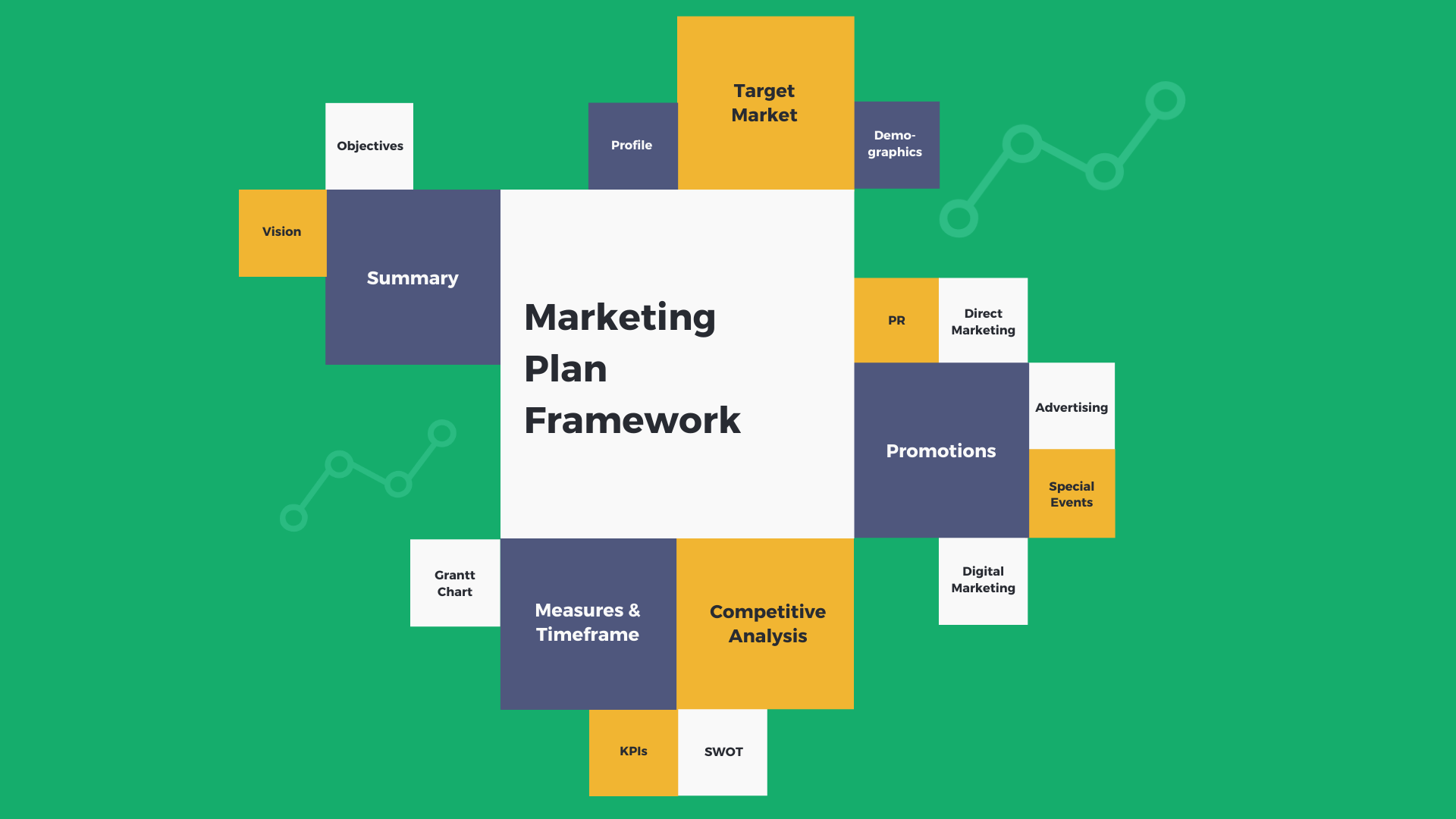
No two schools are the same, but the best STEM education marketing plans share a few basics:
- Clear goals: Whats your target? More girls in coding, higher science club turnout, or a specific project finished?
- Student profiles: Know who youre talking to. Ninth graders need something different than fifth graders.
- Messaging that clicks: Use words and images that feel fresh and personal. Avoid this will look good on your resume.
- Channels students use: Flyers are fine but try text reminders, Instagram accounts, or short video teasers where students hang out.
- Personal invites: The fastest way to grow? One person personally asks another. Train your team to invite friends or classmates directly.
- Real-world examples: Show the payoff. If you did an escape room in math class or made slime that glows, post those highlights.
- Feedback loop: If something flops, tweak it. Your plan isnt set in stone.
How to Keep Student STEM Success Rolling
Getting students to sign up is just the start. Keeping them involved is the real test. Heres what helps:
- Celebrate wins, big and small: Did someone solve a tricky problem? Cool. Give shoutouts. Share student stories and pics.
- Mix things up: Never run the same kind of meeting or event more than twice in a row. STEM gets stale if its predictable.
- Keep growing: Invite outside voicescollege students, pros, or even parents with fun jobs related to STEM.
- Ask whats working: Create quick polls, or simply ask, What should we try next?
- Remove roadblocks: If rides, fees, or materials are an issue, look for ways to help. No shame in asking for support from principals or community.
Success isnt always a trophy. Sometimes its a quiet student speaking up for the first time, or a group sticking with a tough project because they felt involved from the start. This is how student STEM success actually builds.
Common Pitfalls When Planning STEM Outreach
Even solid plans run into snags. Heres what can trip you up and how to avoid it:
- Focusing only on "top students" and ignoring the hesitant or shy ones
- Over-promising results, which can turn off students fast
- Making participation expensive or complicated
- Trying to do everything at once with no help
I made every one of these mistakes at some point. The year we tried to launch three clubs in one semester, burnout hit hard. Lesson? Start small, learn, then grow.
How to Measure the Impact of Your STEM Marketing Plan
You dont need a spreadsheet bigger than your phone screen. But you do need to know if your ideas work. Try these:
- Headcount before and after you start your plan
- Quickie surveys: Two questions, max. What did you like? What would you change?
- Track simple milestones: number of returning students, finished projects, or new faces each month
- Student stories: Ask someone to share what they enjoyed or learned. Those stories mean more than a pie chart.
If you spot interest dropping, try a new theme, switch up the format, or ask a different teacher to join in. Be ready to pivot.
Real Talk: What Happens If You Do Nothing?
Not every student is going to become a scientist or coder. Thats fine. But when theres no plan for engagement, the same small group hogs all the opportunitiesand everyone else sees STEM as "not for me." Thats how talent gets missed. With a fresh STEM marketing plan for students, you widen the door. You make room for the quiet kid, the creative thinker, and even the one whos terrified of math but loves building things.
FAQ: STEM Marketing Plan for Students and Student Engagement
- How can schools make STEM more appealing to all students?
Start by showing how STEM connects with students daily lives. Use activities and real-world problems instead of dry lectures. When students see how math or science is part of things they love, like sports or music, more jump in and stay interested. - What are easy first steps to launch a STEM outreach plan?
Pick one small event or club to startlike a coding challenge or a hands-on experiment workshop. Use word-of-mouth, text messages, and classroom shoutouts to spread the word. Focus on fun and learning together, not grades or pressure. - How do you measure if your STEM marketing is working?
Keep it simple. Count how many students get nvolved, ask them what drew them in, and look for returning faces. A quick two-question survey after events works better than long forms. If students tell friends about it, youre on the right track. - What are mistakes to avoid in STEM engagement?
Dont make everything a competition or focus only on the "best" students. Make sure its open to beginners. Dont use tons of technical words. Listen to what students want and adjust your events or messages when needed. - Can all teachers help with STEM, or just science teachers?
Any teacher can spark STEM interest. Math, art, language, even gym teachers can tie activities back to STEM. The more students see STEM everywhere, the less scary and weird it seems. Team up for cross-subject events if possible. - How do you help shy students get involved in STEM activities?
Start with small group projects or buddy systems instead of big crowds. Give options for behind-the-scenes roles, like equipment setup or social media. Sometimes, shy students shine brightest in creative or planning tasks. Invite them personally to join in.
The real secret? Nobody nails this in their first try. The best STEM outreach strategies are flexible, honest, and open to fresh ideas. Start with one thing, stick with it, and tweak as you learn what works. Thats how you set the stage for real student STEM successand maybe even a few future inventors along the way.