If you've ever been stuck in a windstorm with a ripped tent or tried to cook over a stubborn fire after a rain, you know camping isn't all cozy cabins and perfect sunsets. It gets unpredictable. Good news? The right camping equipment can tip the odds in your favor and help you survive any terrain you run into. Heres what worksand what doesntwhen you head outdoors, plus what gear is actually worth packing.
What Makes Camping Equipment 'Must-Have'?
Campsite shelves are packed with gadgets, but only a handful really matter on tough trips. 'Must-have' means it actually keeps you dry, fed, or safe, not just that it looks cool at the store. Think about these:
- A tent you can set up tired, in the dark
- A sleeping bag that keeps you warm even when youre soaked
- Easy-to-pack cooking gear that doesnt rust or warp
- Reliable lightheadlamps or lanterns with real battery life
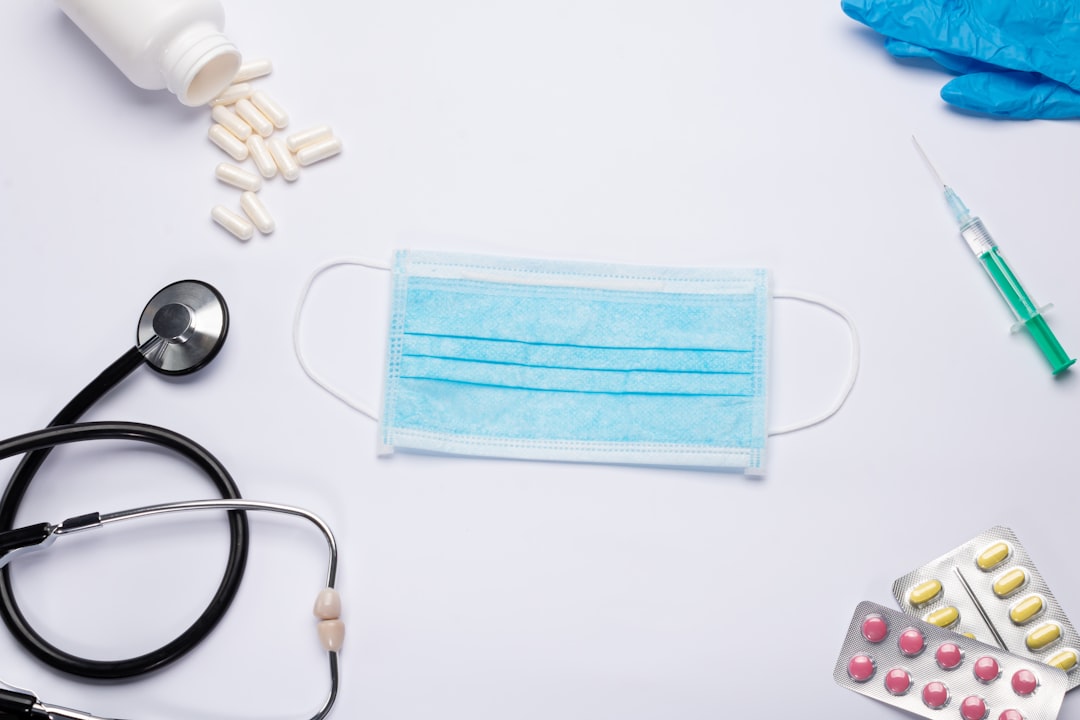
- First-aid kits ready for more than just band-aids
Why does that matter? Because when things go wrong (and they do), these basics mean you worry less and enjoy more. Youre not carrying the kitchen sink, just the stuff that keeps you safe.
Which Outdoor Gear Prepares You for Wild Weather?
Muddy trails, heavy rain, dust storms, or cold snapsnature throws everything at you. Heres what youll actually use when the sky opens up or the temp drops:
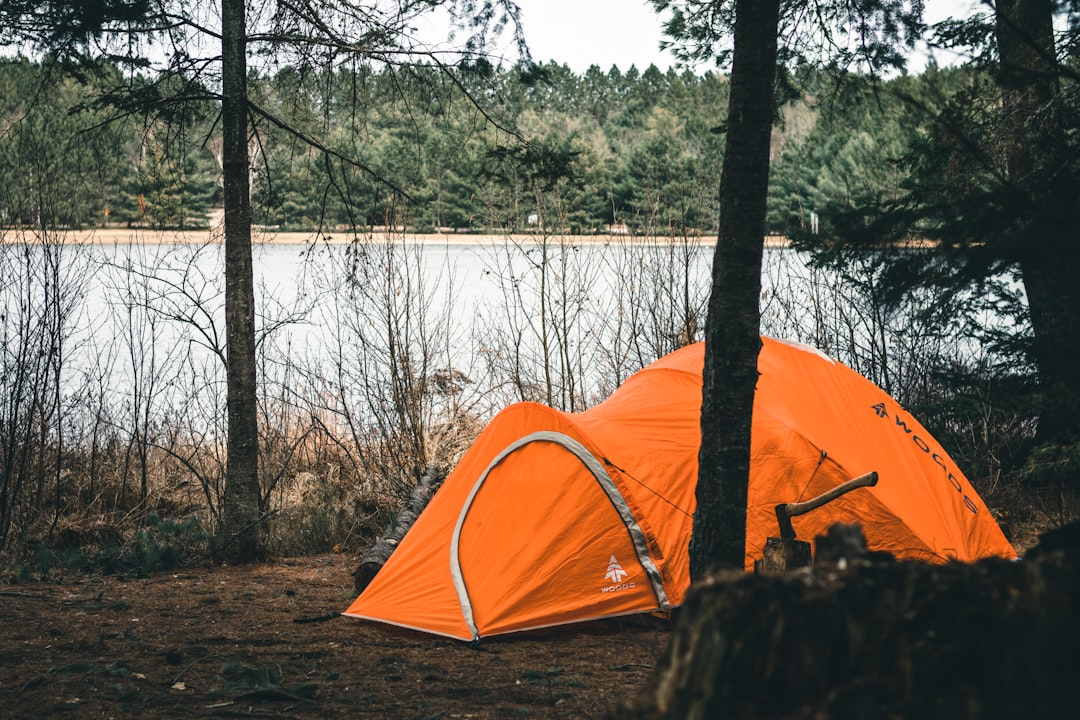
- 4-season tents with reinforced poles
- Weatherproof hiking boots (really waterproof, not just labeled)
- Layered clothing that dries fast (wool or synthetics)
- Ponchos or rain jackets that pack small
- Sealable dry bags for your phone, matches, and clothes
Ive trashed cheap boots on slippery rocks my first time out. Lesson learned: buy once, cry once. Quality gear pays for itself the first night you dont freeze or end up soaked. And if youre hiking, dont skip the dry socks. Blisters are fun for no one.
How Does Survival Gear Save You When Things Go Sideways?
Ever tried starting a fire while your hands are frozen numb? Or used your phone as a flashlight until it died? Survival gear isnt for the extreme movies. Its for real mess-ups, like getting lost or spraining an ankle far from the parking lot. Heres what you shove in your pack, even if you hope never to use it:
- All-in-one multi-tool (pliers, knife, can opener, screwdriver)
- Proper first-aid kit with blister pads, wraps, and meds
- Charged portable battery (power bank) for emergencies
- Water filter or purifying tablets (creek water isnt always safe)
- Fire starter sticks or waterproof matches
- Small emergency blanketreflects heat if you get stuck
Why carry this stuff? Because forgetting it is like driving with no spare tire: you might not need itbut when you do, nothing else works. Start small, but always have the basics covered.
What Are the Most Overrated Pieces of Camping Equipment?
Every year there are shiny new gadgets that promise the world. Some sound cool but mostly just take up space (or your money). Heres what most campers regret hauling:
- Massive multi-burner camp stoves (heavy, hard to clean)
- Solar showers (cold, slow, and kind of a pain)
- Coffee makers bigger than your food bag
- More gadgets than youll realistically use
- Cheap waterproof geardoesnt last a season
Stick with simple. If it breaks easily or needs endless batteries, its probably not worth the pack space. My first trip I brought a hammock with a mosquito net and nowhere to hang it between prickly bushes. Lesson: fun to shop for, not so useful in the real world.
How Do You Choose the Right Camping Equipment for Your Trip?
Different trips, different rules. Backpacking? Go light. Family car camping? You can bring a bit more. Start by answering these:
- How far will you carry everything?
- Whats the weather looking like?
- How long are you staying?
- Are there kids or pets coming?
- Are you close to help or way off trail?
Bring equipment that matches your adventure. If its your first trip, ask what worked (and failed) for people you know. Every trip helps you tune your list. Over time, youll have a kit thats yours alone. Its not about looking the partits about feeling steady, even when plans change.
Which Camping Essentials Should You Always Have, No Matter What?
Experienced campers carry a shortlist anywhere, any season:
- Reliable tent and sleeping bag matched to the climate
- Coleman stove or compact burner plus fuel
- Reusable water bottle and light water filter
- Comfortable hiking boots or trail shoes
- Headlamp with backup batteries
- Pocketknife or multi-tool
- Basic first-aid kit and small notebook (for emergency info)
Everything beyond this? Nice to have, not need-to-have. Too much gear just weighs you downliterally.
Why Does Real-World Experience Matter More Than Fancy Gear?
You can buy the best stuff in the world, but if you havent used it, it probably wont help you in a pinch. That superlight tent? Not so handy if you cant pitch it fast in the rain. Water filter? Only works if you know how it opens (trust me, first trip with mine was comedy gold). Practice at homeyes, reallybefore you go. Know where everything sits in your pack. That way, you react fast when things get dicey. Most problems outdoors dont need fancy solutions, just people comfortable with their equipment. Thats what lets you relax by the campfire when others are frantically searching for lost pieces in the dark.
FAQ
- What camping equipment do I need for a beginner trip?
Aim for the basics: sleeping bag, weatherproof tent, headlamp, water bottle, simple stove, and a first-aid kit. Dont overpack. As you gain experience, youll figure out whats worth bringing and what stays home. Simple gear is best for learning and keeps trips stress-free. - How do I know if my outdoor gear is really waterproof?
Look for taped seams and trusted brand reviews, not just the label. Try sprinkling water on the gear at home and see if it beads up. If water gets through, its not waterproof enough for wild trips. Good outdoor gear keeps you dry in real storms, not just a drizzle. - What's the best way to pack hiking equipment?
Put heavy items close to your back, lighter things on top. Keep rain jacket and snacks where you can grab them fast. Test your pack: walk around your house. If it hurts, adjust or ditch extra stuff. Properly packed hiking equipment means fewer sore muscles and less fumbling around on the trail. - Which camping essentials are easy to forget?
Batteries for your headlamp, extra socks, and a fire starter. People also forget duct tape or a patch kit for repairs. These small items dont take up much space but can make the difference between a good and bad trip if something breaks or goes wrong. - How do I choose survival gear for the wilderness?
Stick to gear with more than one usea multi-tool over a single knife, a blanket thats actually warm, and a water filter you know how to use. Check that it works before you leave. Easy-to-use survival gear means you can help yourself fast if you get stuck or lost. - Is old camping equipment still safe to use?
If its been stored dry and shows no cracks or mold, most items are fine. Check for rust, bent tent poles, and flaky coatings. Test everything before leaving. Old gear sometimes fails at the worst time, but if it works at home, it should work outdoors.
Every camper has a story where something failed but they figured it out anyway. The secret? Less worrying about the gear, more focus on using what youve got well. Pick the right camping equipment, get o know it, and youll feel ready for whatever wild lands you wander next.