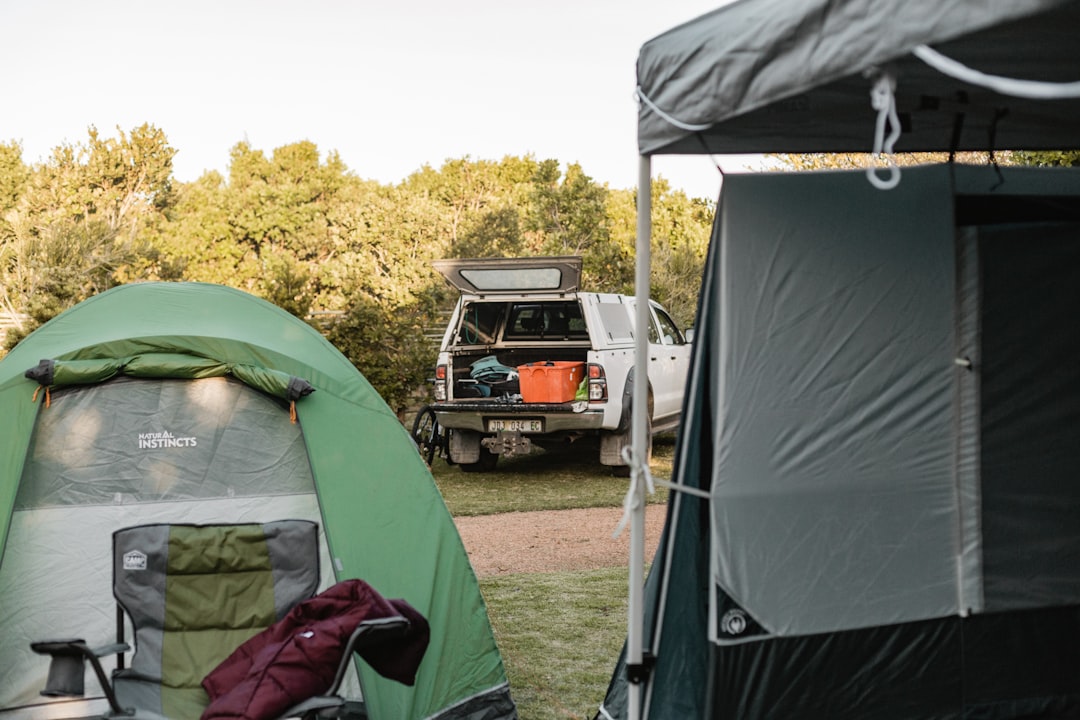
Ever packed for a weekend in the wild and realized your old tent leaks, the flashlight takes weird batteries, or your sleeping bag smells like last summer's campfire? We've all been there. The truth is, the difference between a night under the stars you'll brag about and one you'll never forget (for all the wrong reasons) can come down to your gear. The latest camping equipment promises to make outdoor trips smarter, lighter, and more comfortable. But does it deliver? Let's break down what actually matters, what's just hype, and how you can make every trip out feel like a big win. Whether you're new to camping or simply tired of borrowing broken stuff, here's what to look for, what to skip, and a few lessons from the trail.
What's Actually New in Camping Equipment?
Camping gear isn't stuck in the '80s. Brands keep churning out stuff designed to solve real annoyanceslike tents that go up fast, stoves that don't eat all your fuel, and backpacks that don't shred your shoulders. The newest outdoor gear uses lighter, tougher materials and packs down smaller. Think about:
- Tents with color-coded poles so setup is basically foolproof
- Sleeping pads that inflate with a few breaths and don't deflate overnight
- Headlamps you can charge by plugging into your power bank
- Pocket-sized water filters (no pumping or weird-tasting tablets)
- Stoves that simmer like your home kitchen
These tweaks mean less frustration at camp and more energy for making s'mores or exploring new trails.
Why Should You Care About the Latest Outdoor Gear?
It's not about looking cool at the campsite (though that's a bonus). The point of camping essentials that actually work is to keep you comfortable, safe, and maybe even a little bit spoiled. Bad gear can turn fun into misery. Great gear can make rough conditions feel pretty comfy. If you've ever shivered through a damp night or lugged twenty pounds of unnecessary stuff, you know what we're talking about.
And yes, the right camping gear does cost money. But think about how much you'll save in pain, ruined weekends, or trips cut short. Sometimes, buying the latest thing means you buy once and relax for years.
How to Pick the Right Camping Essentials (Without Going Broke)
You don't need every new gadget. Focus on what makes life outside easier for you. Ask yourself:
- How many nights will you actually camp each year?
- Are you backpacking or car camping? (Weight matters way more if you're hiking in.)
- What weather do you camp insummer heat, cold fall, rainy spring?
- Do you need gear that works for kids or pets?
Start with the basics:
- A tent that's easy to set up, fits your group, and has solid rain protection
- A sleeping bag rated for the coldest night you'll face
- A sleeping pad you won't hate after one night
- A way to cook food (compact stove or grill)
- Reusable water bottles or a filter if you're heading off-grid
The rest (fancy flashlights, solar chargers, camp chairs) is nice to have, but not a must. Read camping gear reviews for real-life pros and cons. Borrow from friends before buying if you can.
What Are Common Mistakes When Buying New Camping Gear?
It's easy to get sucked into flashy features or brand hype. Here are the traps to watch out for:
- Buying cheap, poorly made versions of gear that fail at the worst time
- Loading up on specialty cooking gear you'll only use once a season
- Ignoring comfort to save weight (or vice versa)
- Not checking the weather ratings on your tent or sleeping bag
- Skipping the return windowtest gear at home before heading out
One of my early trips, I bought a no-name air mattress to save money. It deflated halfway through the night. I woke up with a sore back, swearing I'd never do that again. Lesson learned: test everything before you trust it on a real trip.
What Makes the Best Tents Worth It?
The best tents aren't always the fanciestthey're the ones that work for you. Look for:
- Easy, fast setup (especially if you arrive at camp after dark)
- Weather protectionsolid rainfly, sealed seams, and good ventilation
- Enough space for everyone (dont believe "sleeps 4" unless you've seen it packed)
- Pockets and loops for gear (headlamps, phones, etc.)
If you're hiking with your tent, weight and packed size matter way more than color. For car camping, go big on comfort if you want.
How to Choose the Right Hiking Equipment
Hiking gear is all about making miles easier. At the least, you'll want:
- Comfortable hiking boots or shoes (break them in before your trip)
- A backpack that fits your torso and hips (packs come in different sizes)
- Layers (think moisture-wicking t-shirts, a light fleece, and a rain jacket)
- Simple navigation: map, compass, or phone with GPS offline
- Snacks that don't melt or turn to crumbs at the bottom of your pack
The secret: pack less, pack smarter. Drop the "maybe I'll use it" items. Hiking with less means you'll actually enjoy the view, not focus on how much your shoulders hurt.
Are Expensive Camping Upgrades Worth It?
Sometimes yes, sometimes no. Pay up for:
- Good sleep (sleeping pad and bag that match your body and how you sleep)
- Reliable shelter (tent with proven weatherproofing)
- Backpack that fits rightyour back will thank you
But for stuff like camp dinnerware, ultralight pillows, or high-end lanterns, go budget unless you camp every single weekend. Smart money goes toward items you use most or that keep you safe. Ask around, borrow, rent, or watch for end-of-season deals.
Mini Takeaway: Test, Pack, Repeat
Bottom line: the latest camping equipment can absolutely make your outdoor adventures betterbut only if you pick what's right for your style and needs. Test your gear before you go, pack only what you'll use, and don't fall for marketing fluff. Your goal is simpler, happier adventures, not a sponsored campsite.
- Start with the basics; upgrade as you go
- Test gear at home
- Invest in what matters: sleep, shelter, comfort
- Read lots of camping gear reviews, but remember your own needs come first
FAQs
- What should I look for in the latest camping equipment?
Start with how you camp. Look for gear that's easy to set up, not too heavy, and rated for your weather. Check for solid customer reviews. Always test at home before you go out for real. If it solves a real problem for you, it's worth it. - Is expensive outdoor gear really better?
Not always. Sometimes you pay for the name, but sometimes price means better quality. Spend more for things that mean the mostlike tents and sleeping bags. For things you don't use much, cheaper can be fine. - How do I pick the best tent for family camping?
Pick a tent that goes up fast, keeps out rain, and has enough room for everyone (plus bags). Pay attention to the floor space, not just the "sleeps X" label. Big doors and vents help with air and easy exits at night. - What hiking equipment is actually essential?
You'll need good shoes, a pack that fits, layers for weather, and a way to carry water and snacks. Skip the extras on day hikes. For longer trips, add a rain jacket, first aid kit, and a map or GPS. - How can I make camping more comfortable?
Upgrade your sleep setupget a real pillow, a pad that won't go flat, and a bag that's cozy for the coldest night. Bring camp chairs, headlamps, and snacks you love. Little comforts go a long way. - Where can I find honest camping gear reviews?
Start with sites that let users share their actual camp experiences, not just the specs. Look for reviewers who camp like you doanyone can make something sound good in a backyard, but you'll learn more frm testers who've spent real nights outside.