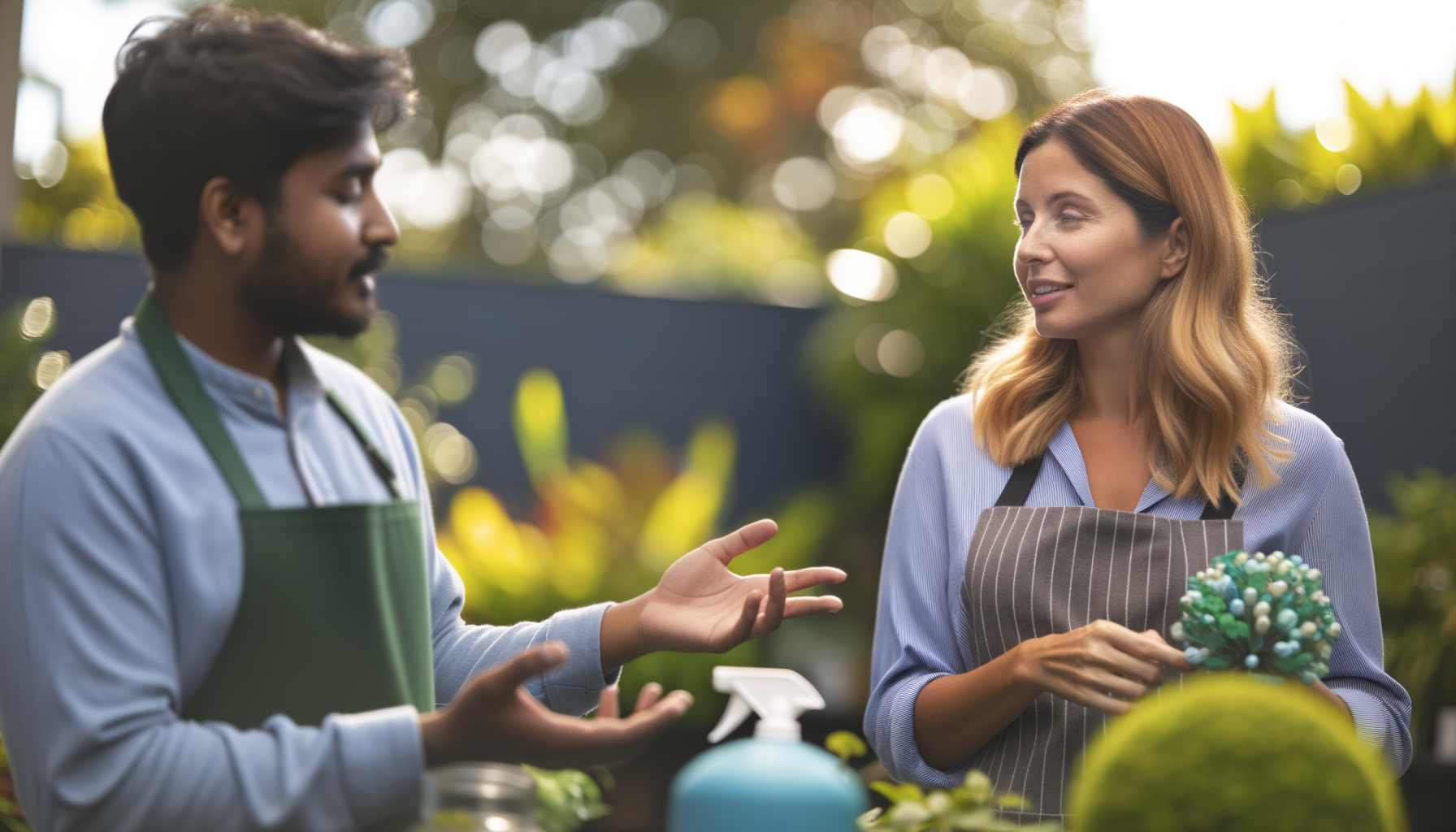
You step outside and wish your backyard felt like more than patchy grass and a forgotten swing set. Maybe you've seen neighbors showing off lush, earthy gardens that actually help the planet. The idea of hiring sustainable garden designers might sound huge, but it basically means letting pros turn your outdoor space into something that's good-looking and low-impact. If you want eco-friendly garden design that fits real lives (kids, pets, barbecue spills and all), you're in the right place.
What Exactly Are Sustainable Garden Designers?
Sustainable garden designers are people who know how to work with what the environment gives them. Instead of wrestling your yard into something fake, they help you use what's already theresoil, sun, shade, even the weird slope by your garage. Their goal: create green garden ideas that look great, save water, and dont hurt nature.
- They pick native plants that actually want to grow in your climate
- They set up rainwater collection or drip systems
- They rethink lawns and swap in tough, pretty ground covers or clover
- They plan for birds, bees, and butterflies, not just you
Choosing sustainable landscaping doesnt mean letting your yard turn wild. Its about finding beauty that lastswith less work, not more.
Why Does Sustainable Landscaping Matter?
Eco-friendly garden design can seem trendy, but the point isnt just to brag on social media. Traditional yards use lots of water, chemicals, and energy for mowing. Sustainable outdoor spaces need less of all that, which saves you money and keeps rivers and air cleaner.
Here's what matters about it:
- Lower bills: Native plants dont need much water or fertilizer
- Less stress: No endless mowing or weeding
- Good for wildlife: You get birds, butterflies, and bees as regulars
- More time for you: Less fuss, more fun outside
The first time I swapped most of my lawn for native flowers, I cut my water bill in half. Plus, I stopped fighting weeds every weekend. Win-win.
How Do You Pick the Right Sustainable Garden Designer?
All garden pros arent the same. You want someone who really gets sustainable landscapingnot just someone who throws around buzzwords. Start with these steps:
- Look for designers who ask about your climate, soil, and how much work you want to do
- Ask if theyve done eco-friendly projects before (photos help)
- See what plants they recommend; if you hear a bunch of thirsty, non-native flowers, keep looking
- Get a rough quotegardens can be done in phases if youre on a budget
Tip: If they suggest complicated, expensive sprinkler systems for a so-called green garden, that's a red flag. The point is less gear, not more.
What Are Some Simple Green Garden Ideas?
You dont have to start bigor spend a lot of cashto get an environmentally friendly garden. Here are easy ideas that work in real yards:
- Swap grass for native ground covers: Clover, creeping thyme, or buffalo grass use way less water
- Plant a wildflower patch: Skip the fertilizer and mowing routine
- Use mulch: Old leaves, bark, or wood chips keep water in and weeds out
- Add compost: Let food scraps or yard waste break down naturallyfree fertilizer
- Set up a rain barrel: Save rainwater for watering beds in dry spells
Start small. Even one new pollinator bed brings in bees and butterflies. Youll see changes faster than you think.
Common Mistakes People Make with Sustainable Gardens
Theres nothing worse than pouring time and money into a garden and having it flop. Heres what trips up most folks on their first try at sustainable outdoor spaces:
- Picking pretty plants that need tons of water
- Ignoring sunlightshade can make or break a bed
- Thinking low maintenance means no maintenance
- Over-mulching and suffocating roots
I once planted azaleas in a sunny, dry spotthey fried within a month. Native plants survived just fine where I messed up, because they're built for those conditions. Learn from my mistake: match the plant to the spot, not the catalog photo.
What Happens After You Redesign Your Backyard?
Lets be real: a freshly designed sustainable garden wont look perfect right away. Plants take time to settle, and some years are rougher than others. The good news? Most eco-friendly garden beds get stronger with time. Youll do less work eventuallyeven if you have to pull a weed or two at first.
- Expect slow growth at the start and let plants fill out
- Watch for which critters show up (birds and bees, not ticks and mosquitoes)
- Add new pieces over time, like a veggie bed or a deck made from recycled wood
Stick with small improvements, and the whole yard starts to feel different. Plus, your wallet and the planet thank you every year.
FAQs About Sustainable Garden Designers and Green Outdoor Spaces
- Why hire a sustainable garden designer instead of doing it myself?
Designers know which plants work together and grow well where you live. They save you time and help avoid mistakes, which could cost you more later. Plus, they can make your yard look great and use fewer resources. - How much does it cost to make a backyard eco-friendly?
Costs depend on what you want. Simple updates like switching to native plants or adding mulch are affordable. Full yard designs or hardscape changes can get pricey. You can always start small and build over time. - Do environmentally friendly gardens really use less water?
Yes, if you use plants that belong in your area and group them by how much water they need, youll save a lot. Add mulch or drip irrigation, and youll use even less. Big lawns and tropical plants drink much more water. - Can I have a sustainable garden if I live in a dry climate?
Absolutely. In fact, it matters even more. Designers focus on drought-resistant plants and clever watering systems. Think cactus, sage, or lavender instead of thirsty grass. - Will a green garden still look nice in winter?
It can. Choose evergreen shrubs, grasses with winter color, and berries for birds. Some native plants even bloom in cooler months. Ask your designer for ideas that work all year long. - Whats the easiest first step for beginners?
Start by swapping out a little grass for one low-water, native plant bed. Use mulch to keep weeds down. This gets you used to smaller changes before taking on your whole yard.
Ready to make your backyard work for both you and nature? Start with one eco-friendly change and see what happensyou might end up loving your outdoor space more than ever.