Why Choose an Online Health Science Degree?
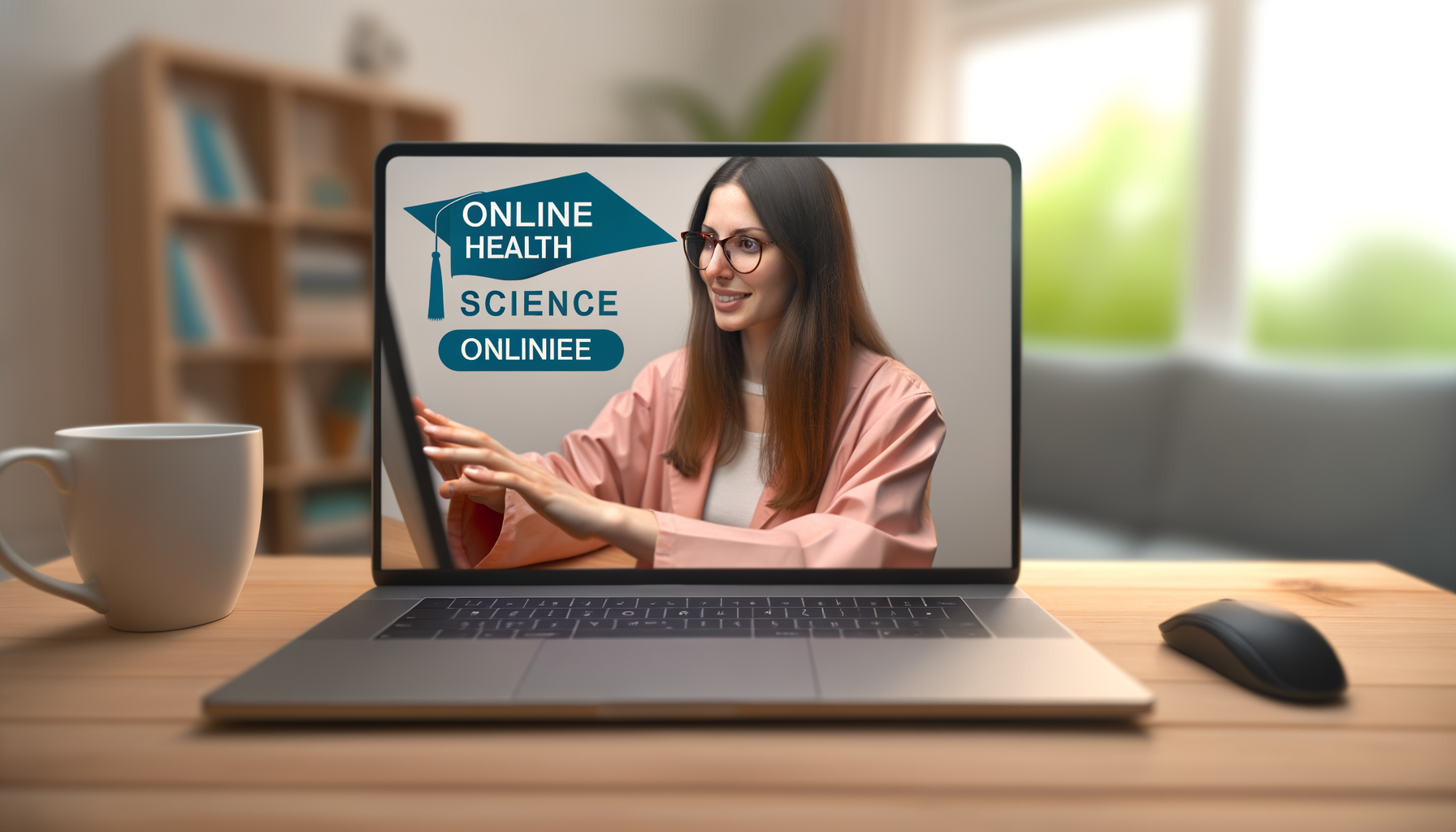
So, you're thinking about switching careers, moving up in the healthcare world, or trying something newwithout three years in a classroom or a mountain of debt. This is exactly where an online health science degree fits in. It's a flexible way to level up your skills and open real opportunities, especially if working in healthcare has always been on your mind.
Lots of folks are juggling work, family, and school at once. Going online means you can study when the kids are asleep or when you're on lunch break at work. Plus, you get the same solid knowledge as on-campus students. That's what makes this option stand out.
What Exactly Is a Health Science Degree?
Health science is a wide field. It's not just doctors and nursesit's nutrition, healthcare management, lab work, and more. A health science degree (especially one you can do online) gives you an overview of how the entire healthcare system works. You learn about disease prevention, treatment methods, how to work with patients, and how healthcare businesses are run.
- Science basics: Anatomy, biology, public health
- Communication: Talking and listening to patients
- Healthcare tech: How labs and equipment work
- Leadership: Managing teams and solving problems
Why does that matter? Because healthcare is more than just doctors. You'll see how every role fits togetherand where your interests match up.
Who Should Get a Health Science Degree Online?
Is this just for future doctors? Nope. Online health science programs attract:
- People moving into healthcare from something totally different
- Current healthcare workers aiming for management or new roles
- Anyone interested in science, public health, or helping others
- Busy parents or working adults who can't go to classes in person
If you nod your head at any of these, a health science degree online could make sense for you.
What Do You Learn in an Online Health Science Program?
Bachelors in health science online programs usually cover a lot of groundthink science mixed with real-world skills. Some of what you'll see:
- Medical Terminology: So you don't get lost in doctor-speak
- Health Care Policy: How insurance, laws, and ethics work together
- Biostatistics: Reading and understanding health data
- Mental Health Basics: Supporting whole-person care
- Electives: Nutrition, aging, leadership, community health
Most accredited online health science programs let you pick tracks or concentrations. You might go deeper into public health, lab sciences, management, or pre-professional (if you're heading toward something like physical therapy).
Are Online Health Science Courses Legit?
Short answer: Yes, if you pick a respected, accredited school. Accreditation means the program followed tough rules for quality. That matters if you ever need to transfer credits, get a license, or show an employer your degree is real.
- Accredited programs meet high standards
- Employers recognize these degrees
- Financial aid is only available at accredited schools
Watch out for random online schools promising fast degrees. If you can't find real info about their accreditation, that's a red flag.
How Hard Is an Online Health Science Degree?
Let's be real: It's no walk in the park. You'll balance online lectures, readings, projects, and sometimes group workall while life keeps happening. The upside? You decide when and where to study. That freedom is huge, but it does mean you need to keep yourself on track.
Common struggles people have include:
- Managing time when home and school life blend together
- Feeling isolated or lost without teachers in front of you
- Getting distracted by, well, everything
The fix? Build a schedule, check in with classmates, and ask for help when you're stuck. Most schools have support for online studentsuse it.
What Jobs Can You Get With a Health Science Degree?
This degree opens a lot of doors. Some grads go straight into:
- Healthcare administration or management
- Public health jobs (like working for the health department)
- Health education or patient advocacy
- Pharmaceutical or medical sales
- Lab and research roles
Others use it as a stepping stone toward more trainingthink nursing, physical therapy, or medical school. If you have a focus area, choose electives or a concentration that lines up with what you want to do next.
Pros and Cons of Studying Health Science Online
The Upside
- Study from anywhere
- Keep your job or family routine
- Often cheaper than on-campus
- Access to a wide range of programs nationwide
The Downside
- Need solid self-motivation
- May miss hands-on practice (depends on your focus)
- Less face-to-face networking with classmates or professors
- Some healthcare careers still require extra in-person training
Knowing this helps you plan. If you need hands-on skills, some programs set up local internships or labs. Ask before you choose where to study.
What Makes the Best Online Health Science Programs?
- Accreditation: Don't skip thisit's the most important piece
- Flexible schedules: So you can learn on your time
- Support: Good advising, tech help, and career coaching
- Real results: Grads getting jobs or moving up at work
Do a little homework. Ask about career outcomes, faculty experience, and what online support looks like.
Tips for Succeeding in Online Health Science Courses
- Set a study schedule (use reminders and alarms if you need to)
- Read all the communication from your schoolit matters
- Find a quiet spot away from distractions when you can
- Reach out to classmates for group work or venting
- Don't be shy about asking for helpprofessors want you to succeed
Trust me, the hardest part is finding a routine. Once you get into the swing of things, it gets way easier.
Is an Online Health Science Degree Worth It?
If you want a new role in healthcare, more income, or personal growth, an online degree can absolutely be worth it. Think about what you want out of the jobflexible hours, making a difference, good pay, or new challenges. Match your studies to what matters most to you. This isn't a magic shortcut, but it is a real way forward for lots of people.
FAQs
- Is a health science degree online respected by employers?
Yes, most employers care way more about accredited programs than if you studied online or in person. Online healthcare degrees have become normal. As long as your school is real and the program is accredited, you're good. - How long does it take to get a bachelors in health science online?
Usually, it takes about four years if you're starting from scratch and go full time. Some schools offer faster options, and if you have previous college credits, you might finish in less time. - What can I do with a health science degree online if I dont want to work with patients?
You have lots of optionslike healthcare administration, health education, policy work, or sales and research jobs. You don't have to be patient-facing to make a difference in healthcare. - Can I get financial aid for accredited online health science programs?
Yes! If your school is accredited, you can fill out the FAFSA and get access to federal student loans, grants, and sometimes scholarships directly from the school. Do online health science courses have hands-on components?
It depends. Some programs are 100% online, while others include internships or local lab work. If practical experience matters to you, ask your school about these options before you enroll.- Is a health science degree hard?
It's challenging but doablethink lots of reading, writing, and staying organized. If you keep up and ask for support when you need it, you'll get through just fine.
Final Thoughts
A health science degree online isn't easy, but it's practical and possible. If you want to jump into healthcare, change careers, or move up where you are, this could be the answer. Check the details, pick an accredited program, and go for it. You'll be surprised where it can take you.