


What Makes a Good Vegetable Garden Layout?
vegetable garden layout is just a map of where you’ll grow your crops. Think of it as your planting cheat sheet. The way you organize your garden affects how much you harvest, how hard you work, and how much you enjoy digging in the dirt.
- Sunlight: Most veggies need at least 6 hours of direct sun. Grow the tall stuff where it won’t shade the short stuff.
- Space: Plants need room to breathe (and grow). Overcrowding leads to sick, sad veggies.
- Access: Can you reach everything without trampling plants?
- Water: Closer to your water source usually makes life easier.
Choosing the Right Vegetable Garden Plan for Your Space
Classic Rows
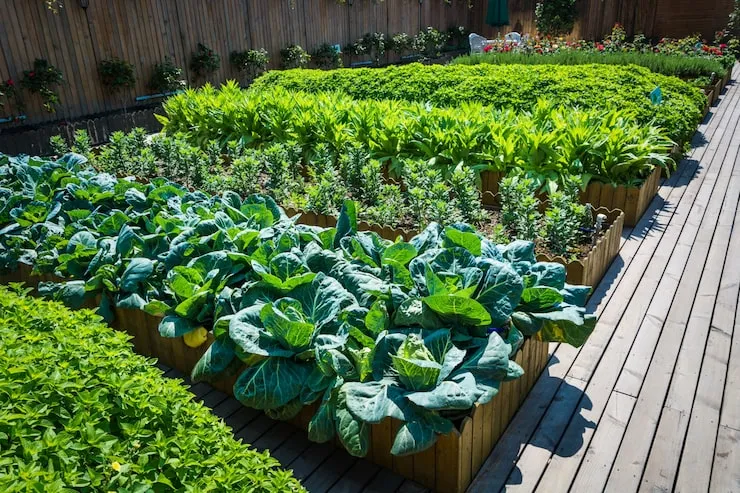
Raised Beds
garden bed layouts, this is your playground.
- 4x8 feet is a popular bed size—it’s wide enough for lots of veggies, but narrow enough to reach across.
- Use untreated wood, bricks, or even old troughs—anything that holds soil and drains well.
- Leave at least 18 inches between beds for walking (and weeding!)
Square Foot Gardening
Container Gardening
How to Use Free Vegetable Planting Guides
- Most offer sample layouts for different spaces: small yards, raised beds, or containers.
- They show how much space each veggie needs—and which ones play nice together.
- Some include calendars for your growing zone, so you plant at the right time (no more soggy seeds).
Common Mistakes When Planning a Vegetable Garden
- Packing too much in—You get excited, sow too many seeds, and end up with a leafy traffic jam.
- Ignoring sunlight—Plotting shade-lovers in the wrong spot means sad lettuce and angry spinach.
- Forgetting about water—If you’re dragging hoses across the yard every day, you'll regret your layout choices fast.
- Not marking paths—Trampling tender shoots because there's nowhere to walk? Been there. Lay out paths first.
- Not rotating crops—Growing the same thing in the same spot year after year just invites bugs and disease.
Sample Vegetable Garden Layouts Using Free Guides
- Small yards: Go vertical! Trellises for beans, wall-mounted planters for herbs, and tight spacing with quick crops (like radishes and lettuce) in between.
- Big backyard: Mix rows, raised beds, and maybe even a small orchard area. Rotate crops each year for healthier soil.
- Balcony or patio: Group large pots in sunniest spots. Lettuces on the shady side, peppers and tomatoes in all-day sun. Hang planters from railings for extra basil and strawberries.
How to Adapt Layouts for Your Own Needs
- Start small and add on later. Gardening’s more fun when you’re not overwhelmed.
- Track what you grow and what flourishes. Next season, swap out anything that didn’t thrive.
- Talk to neighbors or local gardeners—what grows like crazy in your area?
- Let your kids or housemates help pick what to plant. They'll take ownership and maybe help weed too.
FAQs About Vegetable Garden Layouts
- What's the best vegetable garden layout for beginners?
Start with a small raised bed or some large containers. A 4x8 foot bed is easy to manage and gives you enough space to try a bunch of veggies without getting overwhelmed. Plant easy crops like lettuce, bush beans, and a couple tomato plants. Use a simple sketch or free online layout guide to plan it out. - How do I know how far apart to plant my vegetables?
Every veggie needs its own space. Look at your seed packet or a vegetable planting guide—they'll give you the spacing info. If you crowd your plants, they won't grow well and can get diseases. If you use square foot gardening, the guide tells you exactly how many plants per square. - Can I change my garden layout once I’ve started planting?
You can, but it’s easier before roots are set. Early in the season, you can dig up and move things. But once plants are established, it's best to leave them. Next year, use what you learned to move things around for better results. - Which vegetables grow best together in the same bed?
Some plants are buddies and help each other grow. For example, carrots and onions can share a bed. Beans help put nitrogen in the soil for leafy greens. Avoid planting heavy feeders like tomatoes and corn together—they'll fight over nutrients. - How do I keep my garden layout looking good all season?
Weed a little every few days, water deeply a couple times a week, and replant quick crops as you harvest (like radishes or lettuce). Mulch the paths and around plants to keep weeds down and hold moisture. A tidy layout makes it easier to spot problems early. - Do I need to rotate my crops every year?
It's a good idea, even in small gardens. Rotating crops means you move veggies to a new spot each year. This helps avoid pests and diseases that build up in the soil. Plan ahead with your layout guide, and switch things up every season.










