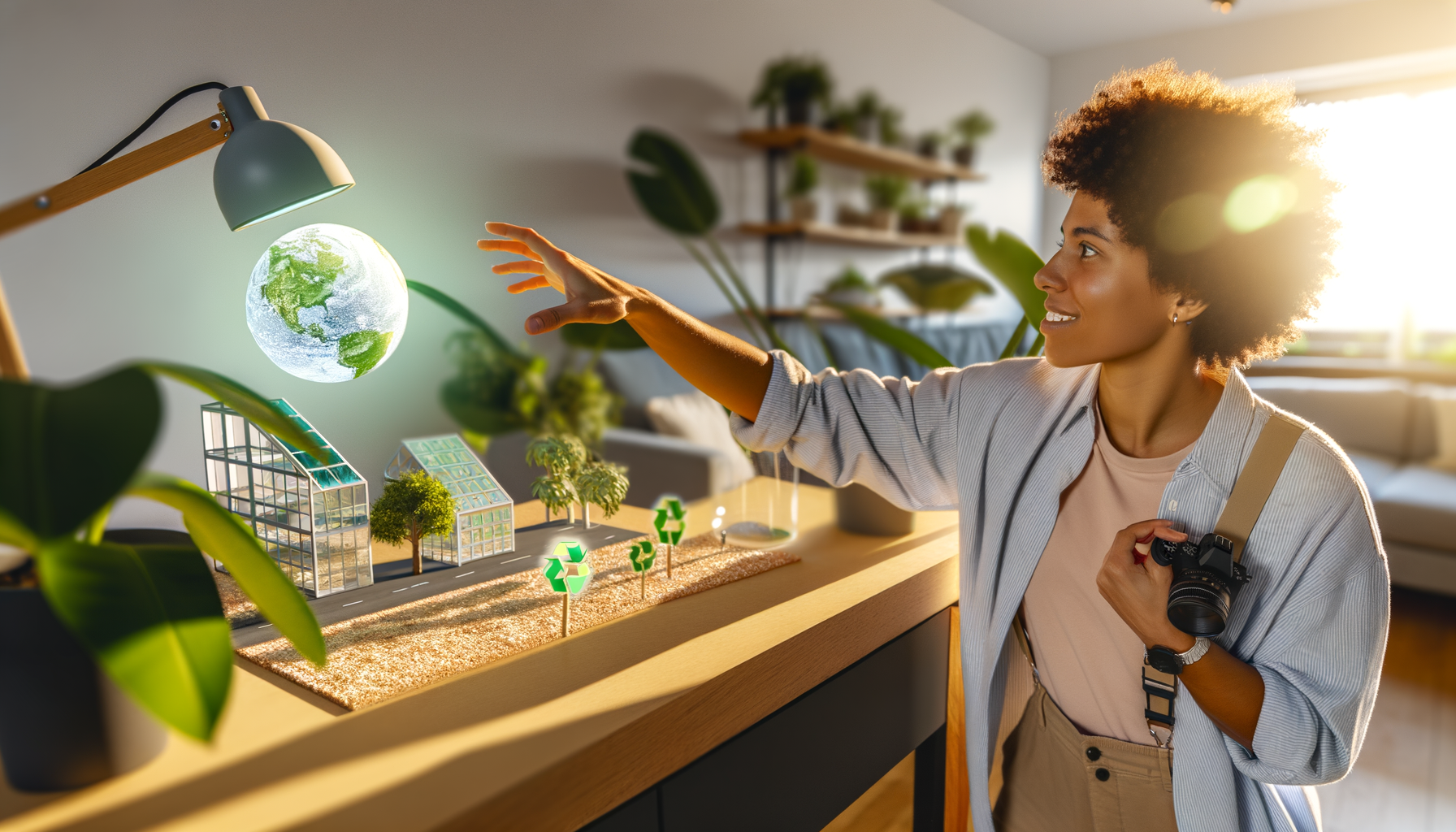
You wake up, brush your teeth, pour some coffee, and go about your day. But tucked in the back of your mind, there's this question: Am I making things better or worse for the planet? Most of us want to do the right thing, but it can feel like nothing you do really matters. The truth? Small choices stack up over time. Whether you recycle or drive less, it adds up. And the push for a sustainable future isn't about huge sacrificesit's about smart daily moves and a few bigger decisions along the way.
What Does a Sustainable Future Honestly Mean?
If you search online, you'll see all kinds of fancy definitions. Really, a sustainable future means living in a way so that our kids and grandkids can enjoy clean air, healthy food, and safe waterwithout running out of resources. It's about balancing what we take from the earth and what we give back, both now and over time.
- Sustainable development means growing without trashing the planet
- Green initiatives are actions that help (like planting trees or reducing waste)
- Eco-friendly practices are everyday habits that keep things cleaner, longer
Caring for tomorrow doesn't mean missing out today. It's a tradeoff, but it doesn't have to hurt.
How Does My Environmental Impact Really Add Up?
Ever wonder if your tiny changes matter? Quick answer: yes. Every bit counts. It's like filling a bucketone drop at a time. Your daily choices shape your environmental impact.
- Driving less slashes air pollution
- Using less plastic keeps oceans cleaner
- Turning off lights cuts down energy waste
- Choosing local produce means less fuel for transport
If you want to see the effect, try tracking your trash for a week. You'll be shocked by what you toss. Once you see it, it's way easier to spot what to cut back on.
What Are the Biggest Myths About a Sustainable Future?
Lots of people think you have to go off the grid or spend a ton to make a difference. That's not true. Here are some common myths:
- Myth: One person doesn't matter.
Reality: Every bit helps. Think of beach cleanupsone bag at a time, and it actually looks different by the end. - Myth: Going green is expensive.
Reality: Most simple changes save you moneylike using less electricity or buying less packaged food. - Myth: You have to be perfect.
Reality: Nobody is. The goal is progress, not perfection.
What Are Simple Ways to Start Building a Sustainable Future?
If you're not sure where to start, keep it easy:
- Switch one lightbulb to LED
- Bring a reusable bag to the store
- Commit to meatless meals one day a week (less energy used, lower emissions)
- Opt for products in recyclable packaging
- Fix things instead of tossing them
Got kids? Teach them by example. Let them help with recycling or make a DIY compost bin together. You'll learn as you goand they'll follow your lead.
How Do Green Initiatives Make a Real Difference?
Organizing or joining a green initiative magnifies your actions. Even if it's just one day a month picking up litter or asking your job to recycle, those efforts ripple out. Ever been to a community garden? They combine fresh food, cleaner air, and better healthall in one green patch.
- Volunteering for neighborhood cleanups
- Starting a local swap group for sharing clothes or toys
- Getting your school or office to use less paper
It doesn't have to be hugejust something that gets people involved. You'll meet neighbors you never knew and probably have some fun too.
Can Renewable Resources Replace Everything?
Renewable resources like wind, solar, and water power offer cleaner choices, but they don't solve every problem overnight. Switching to renewables cuts air pollution and helps fight climate change, but the tech isn't perfect yet. Some days the sun doesn't shine or the wind doesn't blow. That's where backups like batteries or smart grids come in.
- Solar panels cut energy bills and greenhouse gases
- Wind turbines add clean power, especially in windy regions
- Water power works well but needs the right location
Want to try it at home? Even small solar lights, chargers, or outdoor panels help you start. Every step counts, even if the whole grid isn't green yet.
Eco-Friendly Practices That Actually Stick
Habits matter way more than big leaps. If you want lasting change, pick something easy and keep at it. Here are habits that become second nature:
- Turn off devices when not in use
- Buy less, but choose better quality
- Refill, reuse, and recycle whenever possible
- Walk or bike short trips instead of driving
Slip up and use a plastic bag? Don't beat yourself up. Everyone slips sometimes. The secret is to do a little better next time.
Common Mistakes People Make on This Journey
- Trying to change everything at once (burnout hits fast)
- Only doing what's trendy, not what fits your life
- Buying lots of "eco-friendly" stuff you don't need
- Giving up after a setback
No one has it all figured out. Start with what feels doable, and add more when you're ready.
What Real Progress Looks Like
Progress isn't flashy. It's composting your coffee grounds, skipping fast fashion for a few months, or using public transport twice a week. Those choices get easier each time. Your impact spreadsfriends notice, kids copy you, and you nudge your workplace or community toward better ways.
The best part? A sustainable future doesn't just help the planet. It usually means saving money, eating fresher food, and feeling good knowing you're part of something bigger.
FAQs About Building a Sustainable Future
- What's the easiest eco-friendly habit to start?
Start with reusable bags. They're cheap, last a long time, and keep tons of plastic out of landfills. Once that feels normal, add another simple habit. - How can I cut down my environmental impact at home?
Turn off lights when leaving a room, fix leaky faucets, and recycle more. These steps really do add up, and you'll probably notice lower bills too. - Does it matter if I'm the only one making changes?
Yes. Change starts small but grows as others copy good habits. Your actions set an example, and that's how momentum builds. - What if green products cost more?
Sometimes they do, but they often last longer and save money over time. You don't need to buy lots of new thingsstart by using less overall. - Are renewable resources strong enough for everyone?
They're a big part of the solution, but we need to use energy smarter too. Pair renewables with saving energy at home for the best results. - How do I get my kids interested in sustainability?
Make it funcompost together, plant a small herb garden, or turn off lights as a game. When kids join in, they care more about the habits sticking.
Want to help the planet and your wallet? Choose one tip from above to try this week. Keep it simple and build from there. You'll be surprised at what real impact looks like over time.