You know that moment after a meeting where everyone nods and then someone whispers, 'Wait, who's doing what?' That's a workflow issue. If you've ever chased emails or missed a project deadline, you get it. A workflow designer is more than just fancy softwareit's how you keep your team on track. This guide breaks down how to use a workflow designer for better project management, fewer dropped balls, and way less stress.
What Is a Workflow DesignerAnd Why Should You Care?
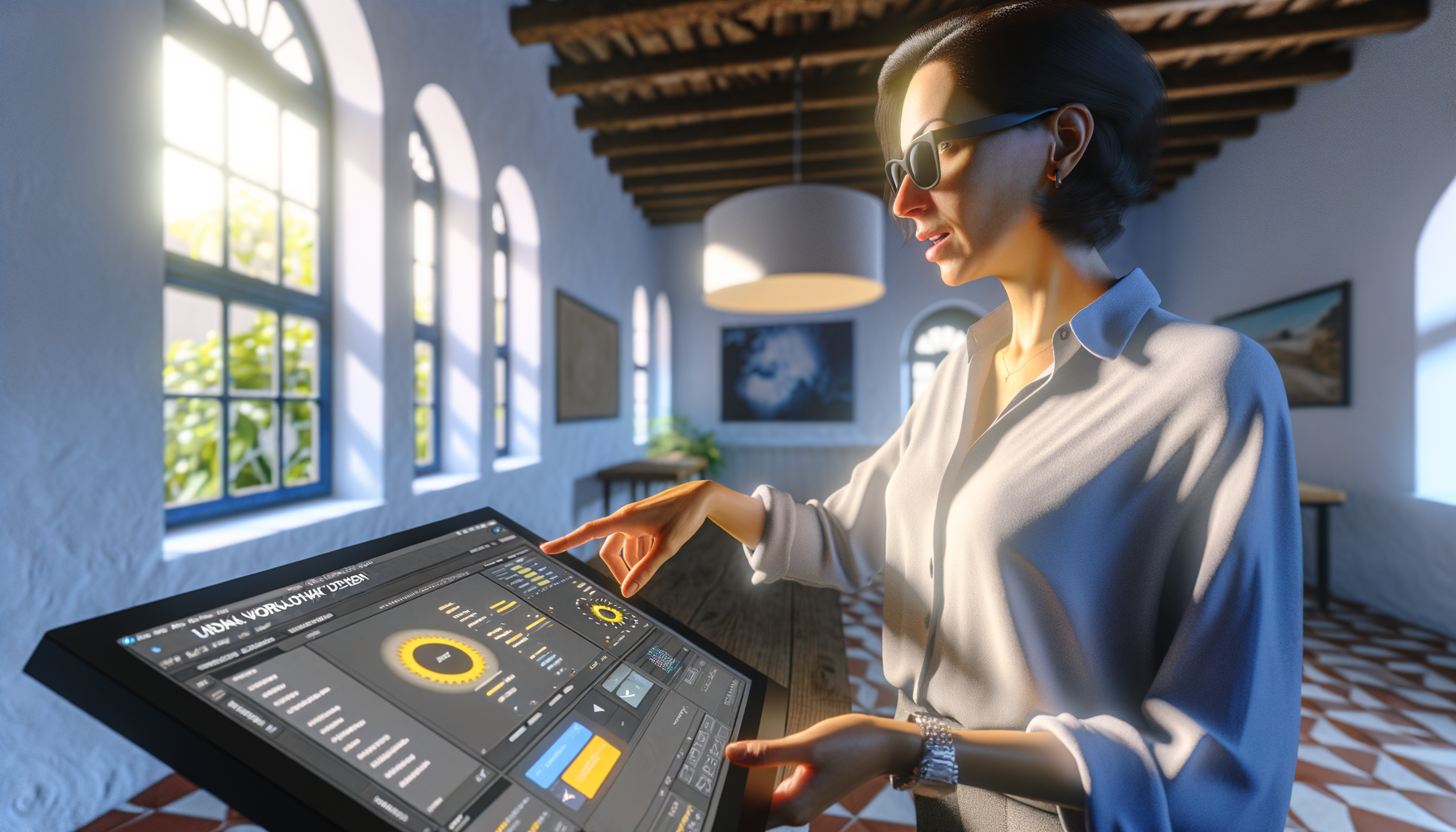
A workflow designer lets you map out all the steps of your processes on one screen. You decide who does what and when. No more guessing. Why does it matter? Because mistakes usually happen when people arent clear on their roles. A workflow designer helps your team stay in sync, which reduces errors and late nights.
- Shows who owns each step
- Keeps deadlines visible
- Makes tasks easy to track
After I started using one, I stopped getting those "whats the status?" emails every hour.
How Does Workflow Automation Save Time?
Workflow automation means letting the software handle the boring stuff. Things like sending reminders, moving tasks, or updating statusdone automatically. You set it up once and stop worrying about follow-ups.
- Set up email reminders when tasks hit certain stages
- Move files automatically from draft to review
- Notify the next person when its their turn
No more micromanaging. More time for actual work. At first, I worried automation would make things too rigid. Turns out, it just cuts down on busywork.
Which Project Management Tools Have A Good Workflow Designer?
Not all tools are equal. Some make you want to throw your laptop out the window. A good workflow designer is clear, easy to use, and doesn't take an IT degree to set up. Heres what to look for:
- Visual drag-and-drop layout
- Simple to change steps and owners
- Automation you control, not the other way around
I tried a few project management tools before finding one that clicked. My advice: Test with a small project, see how your team reacts, and only then go all in. Its not about picking the biggest nameits about what works for you.
Top Workflow Design Tips (From Someone Who Learned the Hard Way)
You dont need every bell and whistle. You do need a flow that your team can follow without pulling out the manual. Heres what helps:
- Keep steps short and clear
- Assign a real person to each step
- Limit notifications to what matters
- Ask your team about what slows them down, then fix it
First time I mapped a workflow, I added way too many steps. It looked amazing, but nobody used it. Simpler is better.
Where Workflow Software Can Trip You Up (And How to Avoid It)
Even the best workflow designer can't save a bad process. Common mistakes?
- Trying to automate a broken process (it just breaks faster)
- Not getting buy-inpeople ignore what they dont understand
- Making everything mandatory (leads to skipping steps or workarounds)
The trick is to start small. Pick one team, one project, and work out the kinks before rolling your changes out everywhere.
How to Optimize Your Teams Process with Workflow Designers
If your processes feel clunky, chances are they are. A workflow designer helps you see the bottleneckslike the one person who always gets stuck with approvals or that handoff that takes forever. Heres what you can do:
- Map your process as it happens (not how you wish it worked)
- Ask, 'Who gets blocked here?'
- Test changes with real deadlines
- Get feedback and keep tweakingtheres no perfect flow
Think of process optimization like editing: you cut what wastes time, keep what works and always ask if you can make it simpler.
Using Workflow Software Every Day Without Losing Your Mind
Lets be real, any tool can be overwhelming if its not set up for your actual day-to-day. Start basic. Set reminders for the steps that end up forgotten. Color code the urgent stuff. Review your workflow once a weekif something feels clunky, fix it right away.
- Start with your most painful process
- Add features slowly (not all at once)
- Keep talking with your teamwhats annoying, what helps?
And don't be afraid to ditch things that don't work. Your goal isn't perfect softwareit's a process everyone can actually use.
FAQ
- What is a workflow designer used for?
A workflow designer helps you lay out all the tasks in a project, decide who does each part, and keep everyone on the same page. It's like a plan you can see and adjust as you go. - Can workflow automation handle complex projects?
Yes, most workflow automation tools can handle projects with lots of steps and people. You set up rules and let the software move things along. If it gets confusing, just start with the basics and add more later. - Whats the benefit of using project management tools with workflow features?
They make it easier to track who's doing what, find out if something is stuck, and cut down on status meetings. You see progress in real time instead of waiting for updates. - How do I avoid common workflow software mistakes?
Start with a simple workflow. Ask your team if the steps make sense and fix anything that doesnt work. Dont try to automate everything at oncetest, tweak, and grow. - Are workflow design tips different for remote teams?
The basics are the same. But for remote teams, clear task handoffs and reminders matter even more. Use notifications and colors to keep things visible without nagging. - Whats the first step to process optimization with workflow software?
Write down your process as it is now. Map it in the workflow designer. Look for parts where work stalls or people get confused, then fix those one by one.
If you want projects to run smoother, try mapping out your next workfloweven if its just for one afternoon task. Keep it simple and tweak as you go. Your team (and your sanity) will thank you.