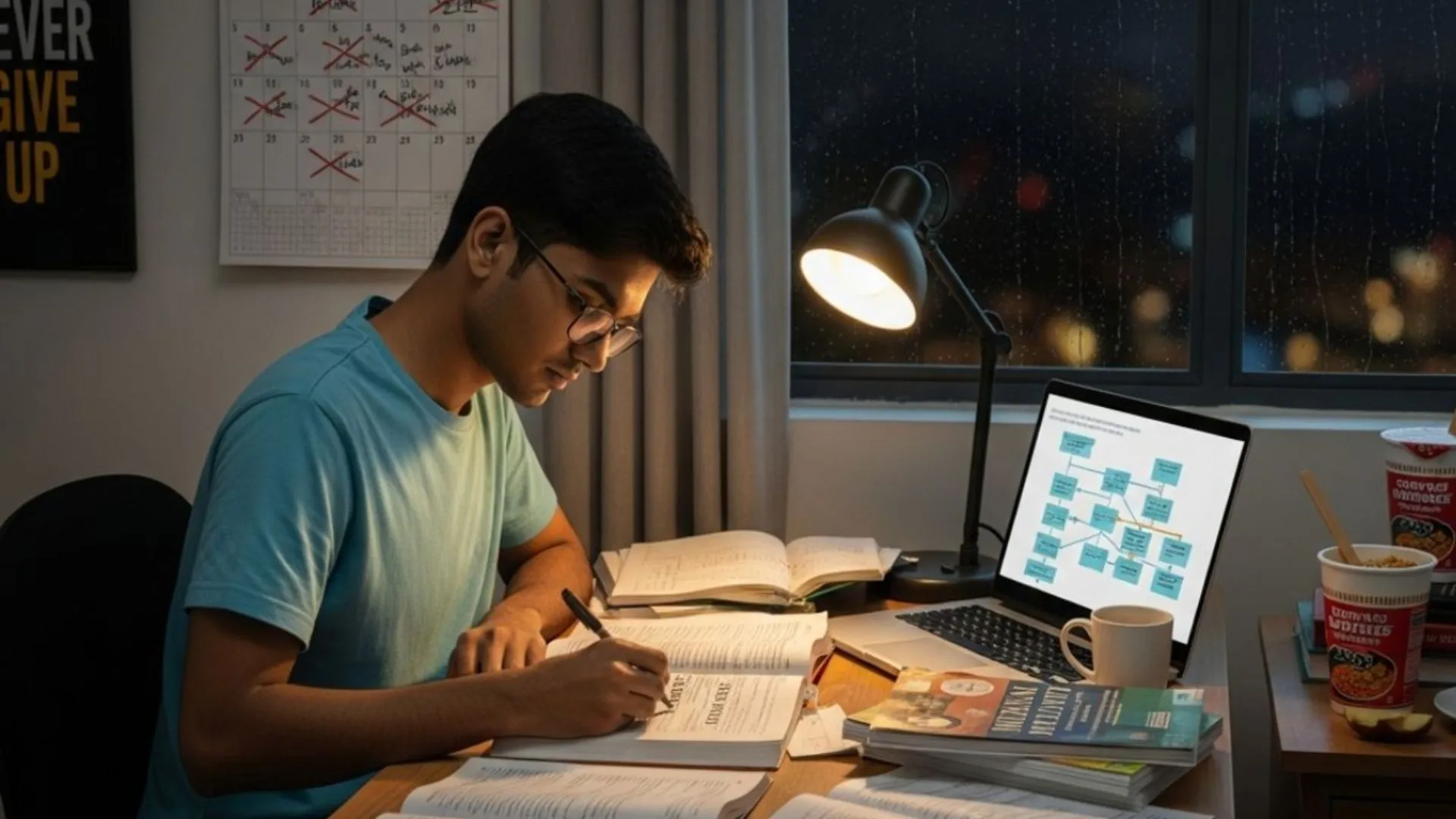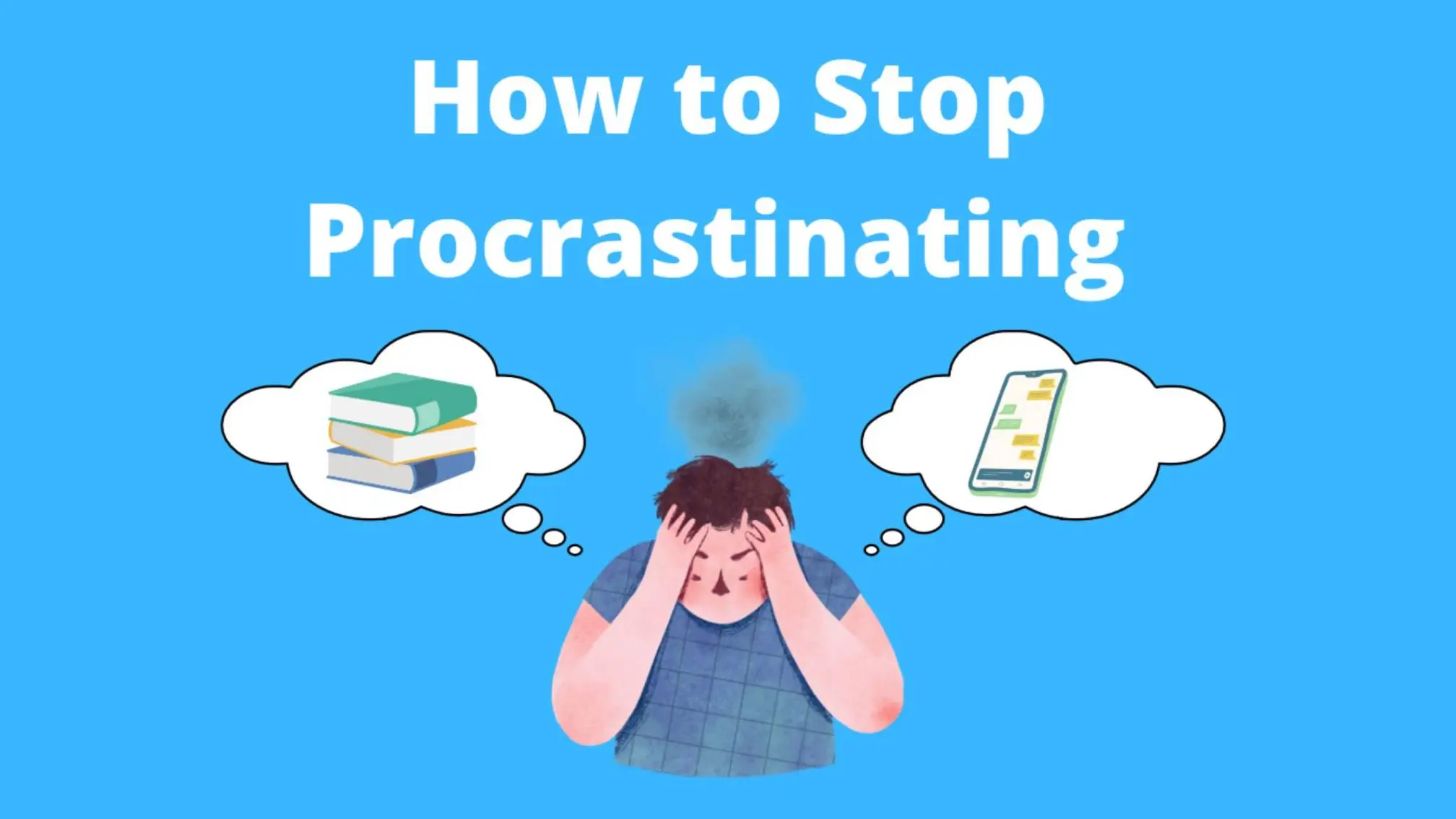
Youre not the same learner you were back in school, are you? Most adults juggle jobs, families, bills, and a calendar that always seems full. Suddenly, someone tells you to pick up a new skill or certification. Or maybe you want to learn something for yourselfa language, a hobby, a side hustle. But, lets be real: what worked in high school probably wont cut it now. Thats where adult learning techniques come in. This isnt some stuffy theory. You need practical ways to make learning stickand not waste your precious time. Here, youll find the smartest ways adults actually absorb knowledge, keep it, and (bonus) even enjoy the process.
Why Do Adults Learn Differently?
Kids soak up info like dry sponges. Adults? Not so much. Youve got experience, opinions, and, yes, distractions. That changes how you learn. Adult learning techniques respect where youre coming from. Your brain sorts new info through what you already know.
- Relevance matters: If it feels pointless, your mind wanders.
- Control is key: Adults like choicewhat, when, and how you learn.
- Real-life first: You need to see how it fits your world, not just pass a test.
When you own the process, youre way more likely to stick with it.
Which Adult Learning Techniques Actually Work?
No one-size-fits-all answer, but here are proven techniques for adult learners that get results:
- Active learning: Try, do, discussdont just read or listen.
- Chunking: Break info into bite-sized parts. Think episodes, not marathons.
- Reflection: Check in with yourself. What clicked? What didnt?
- Immediate feedback: Find out fast if youre on track, and adjust.
- Peer learning: Talk through ideas with a partner or group. Teaching helps you remember.
- Self-paced materials: Go at your own speed, revisit as needed.
The first time I signed up for an online course, I went full speed and burned out in two weeks. Next time, I gave myself two evenings a week, watched short videos, and took notes right after. Total game changer. Small changes make a huge difference.
How Do You Make Learning Stick as an Adult?
Everyones busy. So how can you really build new skills? Adult skill development isnt about cramming. Its about:
- Spacing sessions: Review a little every few days (not once a month in a panic).
- Using examples: Connect new stuff to your job, family, or hobbies.
- Making it social: Talk it out, even with yourself in the shower. Out-loud works.
- Celebrating wins: Small victories count. Mark progressyoull keep going.
When you tie learning to what matters in your life, it becomes way less of a chore. And youll remember more, too.
What Are the Biggest Mistakes in Adult Learning?
Lets be honestmost adults fall into the same traps. Heres what to watch out for:
- Trying to memorize everything at once
- Ignoring personal motivation (doing it for someone else, not yourself)
- Not asking for help when stuck
- Skipping reflectionnever pausing to check understanding
Remember, you are not failing if you ask for help or need to take a break. Thats a smart move, not a sign to quit.
How Can You Personalize Your Learning Approach?
Every learner is different, especially adults. The best adult education strategies are the ones that actually fit your life. Ask these questions:
- What's your goal? (Job? Fun? Confidence?)
- How do you like to learn? (Audio, video, reading, talking?)
- When are you focusedmorning, lunch, late night?
- What helps you stay on trackreminders, buddies, apps?
Change your approach as you go. Theres no rulebook. If something feels clunky, rewrite your playbook and try a new method. Flexibility is your friend.
Can Old Dogs Learn New Tricks? (Spoiler: Yes)
Sometimes adult learners hit a wall and wonder if theyre too old for this. Not true. Science says your brain stays plasticable to growat any age. What does slow things down? Multitasking, stress, or skipping sleep. So, in addition to adult learning methods, give yourself brain fuel: rest, water, breaks, and some grace when its hard.
FAQ
-
What are the top three adult learning techniques?
Active learning, chunking information, and peer discussion are the big three. Adults learn best when they try things for themselves, break topics into small parts, and talk through ideas with others. Mixing these gives you the strongest results. -
Can you use these techniques for any skill?
Yes, you can. Whether you're learning a language, tech skill, or craft, the same basic approaches work. You might need to tweak them to fit the topic, but active practice and reflection always help. -
What are good strategies for self-taught adults?
Set clear goals, use bite-sized lessons, and pause to review often. Make it social if possibleeven an online group works. Don't forget: checking your progress keeps you motivated. -
How do you avoid losing motivation as an adult learner?
Pick topics that matter to you, and set small, specific goals. Celebrate wins, even tiny ones. If a method gets boring or tough, try something differentmusic, visuals, games, or teaching someone else. -
Are there any quick tips for adult skill development?
Absolutely. Spread out your study sessions, use examples from your real life, and get feedback. If you can, teach the concept to someone elseits one of the fastest ways to lock in what youve learned. -
How do I know if a learning method isn't working?
If you keep forgetting what you studied, feel bored, or dread learning time, switch it up. Try shorter lessons, add interaction, or pick new resources. Your method should leave you feeling confident, even a little bit.
So heres your next step: pick one adult learning technique to try this week. Could be chunking, making things social, or pausing for quick reviews. Give it two weeks. Notice what works, what doesnt, and adjust as you go. Nobody expects you to know everything from day one. You get better at learning the more you do it, no matter your age or schedule. Youve absolutely got this.