In today's fast-paced world, a strong foundation in critical thinking and problem-solving is more important than ever. That's where the power of STEM comes in. This guide explores the exciting world of STEM education for kids, showing how it shapes young minds and prepares them for the future.
What is STEM Education for Kids?
Let's break it down. STEM stands for Science, Technology, Engineering, and Mathematics. But it's far more than just four subjects in a textbook. STEM learning for children is a hands-on, minds-on approach. It connects these disciplines to solve real-world problems.
Think of it like building a bridge. You need science to understand the materials. You use technology to design the plans. Engineering is the process of building it. And math ensures it's the right size and can hold weight. Together, they create something amazing!
This integrated method makes learning sticky and fun. It transforms abstract ideas into tangible discoveries. The goal of early STEM programs isn't to create tiny engineers overnight. It’s to nurture curiosity, resilience, and a love for exploration.
Why is STEM Important in Early Childhood?
The benefits of starting STEM young are incredible. Young brains are like sponges, eager to explore and make connections. Introducing STEM concepts early taps into this natural curiosity.
Early exposure to STEM builds a "can-do" attitude towards challenging subjects. It shows that science and math aren't scary—they're tools for understanding the world. Kids learn that it's okay to try, fail, and try again. This builds critical thinking skills for kids and problem-solving abilities in young learners.
These skills are the true superpowers for tomorrow's jobs. Even if a child doesn't become a scientist, skills like logical reasoning and creativity are valuable in any career. Developing 21st-century skills starts with a simple question: "I wonder what would happen if...?"
Key Components of a Great STEM Program for Children
Not all activities labeled "STEM" are created equal. Effective STEM activities for elementary students share a few key features.
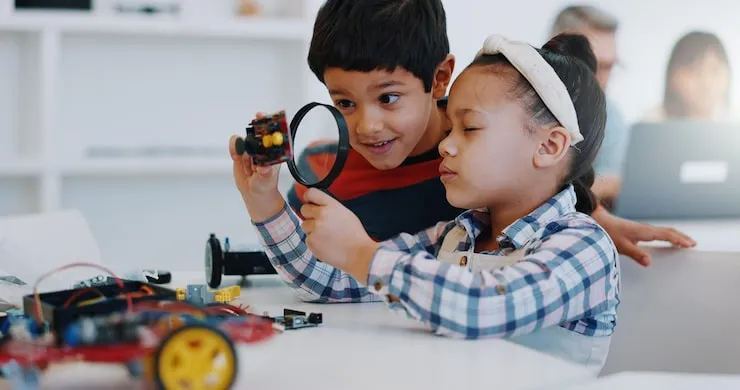
First, they are hands-on learning experiences. Kids learn best by doing. This means less memorizing and more building, testing, and creating.
Second, they encourage inquiry-based learning. Teachers and parents act as guides, not lecturers. They ask open-ended questions like, "What do you notice?" or "How could we make it better?"
Third, they focus on the engineering design process for kids: Ask, Imagine, Plan, Create, and Improve. This cycle teaches that revision is a part of success.
Finally, they make connections to the real world. Whether it's designing a simple machine or observing plant growth, kids see the purpose behind the project. This is the heart of project-based learning in STEM.
Fun and Easy STEM Activities to Try at Home
You don't need a fancy lab to support STEM education for kids. The kitchen or backyard can be the perfect classroom. Here are some simple STEM projects for families to try.
Kitchen Chemistry: Mix baking soda and vinegar to create a fizzy volcano. Ask: "What happens if we change the amounts?"
Backyard Engineering: Build a bridge out of popsicle sticks or a boat out of foil. Test how much weight it can hold before sinking or breaking.
Nature Science: Plant seeds in different conditions (more light, less water). Observe and record the growth over weeks. This teaches the scientific method for children.
Coding Basics: Use free, block-based coding websites designed for kids. These teach computational thinking through fun puzzles and game creation.
The key is to keep it playful. The goal is the process, not a perfect product.
How to Choose the Right STEM Toys and Kits
The toy aisle is full of options labeled "STEM." To pick the best ones, look for toys that are open-ended. A good STEM toy for kids can be used in multiple ways, encouraging creativity.
Construction sets, like magnetic blocks or classic building bricks, are fantastic. So are basic circuit kits that let kids safely create a working fan or light. Avoid kits that do all the work. The value is in the struggle and the "Aha!" moment.
Look for items that promote creative problem-solving. The best toys don't come with one set of instructions. They come with a challenge: "What can you build?"
The Role of Technology in Modern STEM Learning
Technology is a powerful tool in STEM education for kids. It brings abstract concepts to life. But it's important to balance screen time with hands-on creation.
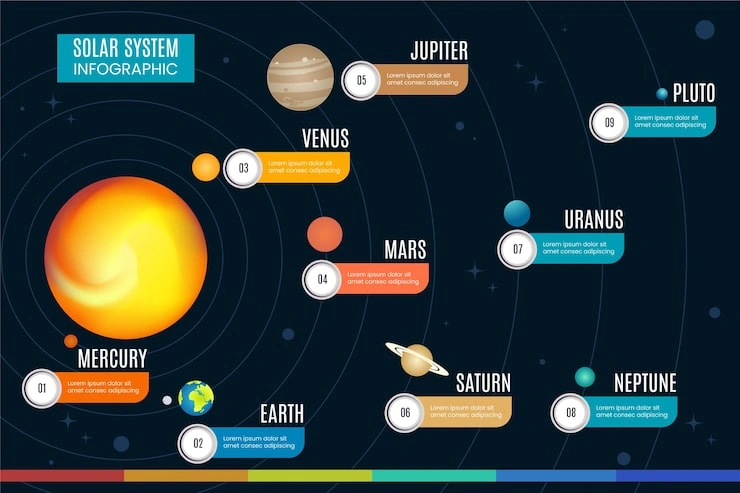
Educational technology for kids includes amazing apps that simulate physics or let kids explore the solar system. Coding games for children make learning programming logic feel like solving a puzzle.
However, tech should be a launchpad, not the entire journey. Use a tablet to research animal habitats, then go outside and build a model of one with clay and sticks. This blend of digital and physical is ideal for integrated STEM curriculum success.
Overcoming Challenges: Making STEM Accessible to All
A common myth is that STEM education for kids is only for certain children. This is simply not true. Every child has a natural curiosity. The challenge is providing equal access and encouragement.
Promoting diversity in STEM fields starts early. It means offering varied activities—some might love robotics, while others excel at environmental science. It means showcasing diverse role models in science and engineering.
Parents and educators can use everyday materials for STEM to keep costs low. Cardboard, tape, and water are incredible learning tools. The focus should always be on imagination, not expensive equipment.
Partnering with Schools: Supporting Your Child's STEM Journey
A strong school and home STEM connection makes a huge difference. Start by talking to your child's teacher. Ask how STEM is incorporated in elementary schools and how you can support it at home.
Many schools host family STEM nights or science fairs. Attending these shows your child that you value this learning. You can also suggest simple STEM integration in classroom ideas, like a "building challenge" corner with recycled materials.
Remember, your attitude is contagious. Showing excitement about a science documentary or a DIY project tells your child that exploration is a lifelong joy.
The Long-Term Impact of Early STEM Engagement
The seeds planted by early STEM programs grow for a lifetime. Children who engage with STEM develop a growth mindset. They see challenges as puzzles to solve, not roadblocks.
This foundation leads to improved academic performance across all subjects. The logic from math helps with writing structure. The evidence-based thinking from science helps in history class.
Most importantly, it creates informed citizens. Kids learn to ask questions, evaluate information, and think critically about the world around them. They become the innovators and thoughtful leaders of tomorrow.
Getting Started: Your First Steps Today
Beginning is easier than you think. You don't need all the answers. You just need to be willing to explore alongside your child.
Start with a question based on something they love. "How do you think that roller coaster stays on the track?" or "What's the best way to protect your cookies from the family dog?" Then, explore the answer together through a small, fun project.
Visit local libraries, museums, or nature centers. Many offer free community-based STEM programs. The journey into STEM education for kids is one of shared discovery, and it starts with a single, curious step.
Frequently Asked Questions (FAQs) About STEM for Kids
Q: My child isn't good at math. Will they struggle with STEM?
A: Not at all! STEM education for kids often presents math in new, engaging ways through hands-on projects. Many children who find traditional math difficult thrive when they see its practical, creative application in a STEM activity.
Q: Are STEM activities safe for young children?
A: Absolutely. Age-appropriate STEM activities for elementary students use safe, common household items or specially designed kits. Adult supervision is always recommended, just as with any activity. The focus is on safe exploration.
Q: How much time should we spend on STEM at home?
A: There's no set rule! Even 30 minutes a week on a focused project can have a big impact. It can be as simple as a Saturday morning building challenge or a weekly nature observation. Consistency and fun are more important than length of time.
Q: Do STEM programs only benefit children who want to be scientists?
A: No. The skills gained—critical thinking, problem-solving, creativity, and collaboration—are valuable in every field, from art to business to community service. STEM teaches a way of thinking that is useful for life.
Expert Insights on STEM Learning
-
Dr. Elena Rodriguez, a Professor of Childhood Education, emphasizes: "The most powerful STEM learning for children happens when they are driving the question. Our job is not to give them the answers, but to provide the materials and ask the prompts that guide their own investigation. That's where true understanding is built."
-
Mark Chen, a lead engineer and founder of a kids' coding camp, observes: "We see time and again that early exposure to STEM builds incredible confidence. When a child debugs their own code or gets their structure to stand, that victory is transformative. It teaches them they can understand and shape the technology in their world."
By embracing the spirit of exploration, any adult can help unlock a child's potential through STEM education for kids. It's an investment in a future where they don't just use the world—they understand, innovate, and improve it.