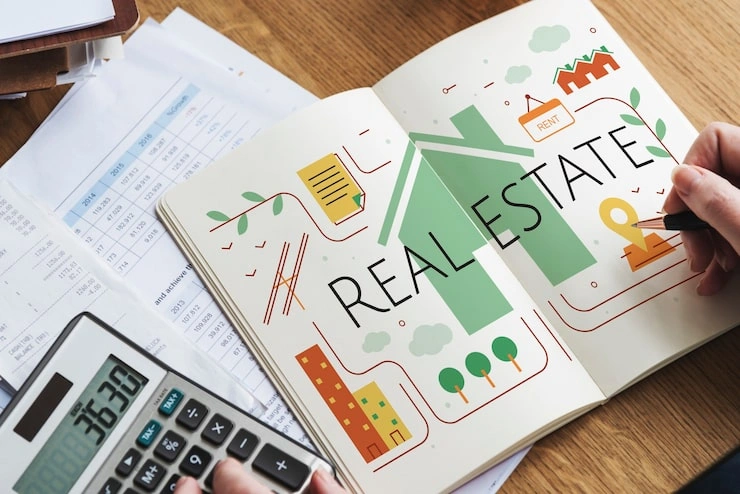
Imagine a city full of buildings: shiny office towers, busy shopping centers, tall apartment complexes, and factories. These buildings are like treasure chests that can make money for people who own them. Commercial real estate investing is the process of buying, owning, or managing these buildings to earn money.
It might sound complicated, but at its heart, it’s just smart planning and careful decisions—like playing a strategy game where your buildings earn coins every month. Modern commercial real estate investing combines old wisdom with new technology to make investing smarter, safer, and more profitable. In this guide, we’ll break down how it works, why it matters, and strategies anyone can understand—even kids!
1. What Is Commercial Real Estate?
Commercial real estate (CRE) refers to properties that are used to make money. Unlike houses where people live, commercial properties generate income.
Types of Commercial Properties:
-
Office Buildings: Where companies have their offices
-
Retail Stores: Shopping centers, malls, or standalone shops
-
Industrial Spaces: Factories, warehouses, or storage centers
-
Multifamily Buildings: Apartment complexes rented to tenants
Kid-Friendly Analogy: Think of commercial real estate like a lemonade stand. If you own it, people pay to enjoy your lemonade, and you earn money. Big buildings work the same way—they make money when people use them.
2. Why Invest in Commercial Real Estate?
Investing in commercial real estate has many benefits:
-
Steady Income: Rent from tenants provides monthly cash flow
-
Property Value Growth: Buildings can increase in value over time
-
Diversification: Adds variety to your investments, reducing risk
-
Tax Advantages: Investors can save money on taxes
Kid Example: Imagine having a cookie shop. Every week, customers pay to buy cookies. That money is your income, and the shop itself becomes more valuable over time.
3. Secret #1: Location Is Everything
In commercial real estate, location is key. Good locations attract tenants, customers, and higher rent.
Tips:
-
Busy areas or growing cities are ideal
-
Near schools, highways, or business centers
-
Consider future development plans
Kid-Friendly Analogy: Think of putting a lemonade stand on a busy playground versus a quiet street. More people passing by means more customers.
4. Secret #2: Know the Market
Understanding the local real estate market is crucial. Prices, demand, and rental rates vary by location.
How to Research:
-
Check property values in the area
-
See how much similar buildings rent for
-
Study population growth and business trends
Kid Example: If everyone in town loves chocolate ice cream, putting a chocolate stand there is smarter than selling vanilla in a small village.
5. Secret #3: Analyze Potential Income
Before buying, investors estimate how much money the property can earn.
Key Concepts:
-
Net Operating Income (NOI): Money left after expenses
-
Cash Flow: Actual money in your pocket each month
-
Cap Rate: Rate of return on the property
Kid Analogy: Imagine selling 50 cookies for $1 each. If ingredients cost $20, your profit is $30. That’s like calculating NOI and cash flow.
6. Secret #4: Financing Your Investment
Most commercial investors don’t pay cash—they use loans or mortgages.
Options:
-
Bank loans
-
Private investors
-
Real estate partnerships
Kid Example: Buying a big toy might need borrowing from parents and promising to pay back with your allowance. Smart planning ensures you don’t borrow more than you can handle.
7. Secret #5: Choose the Right Tenants
Tenants are like customers in your lemonade stand—they provide income.
Tips:
-
Long-term tenants provide stability
-
Businesses with strong reputations reduce risk
-
Mixed tenants diversify income
Kid-Friendly Analogy: A lemonade stand with happy customers and friends visiting regularly makes more money than one with random passersby who rarely buy.
8. Secret #6: Modern Technology Makes Investing Easier
Today, technology helps investors make smarter decisions:
-
Property management software: Tracks rent, maintenance, and finances
-
Data analytics: Predicts market trends and rental demand
-
Online platforms: Allow fractional investments in big properties
Kid Example: Apps can help you keep track of lemonade sales, ingredients, and profits. Big investors use tech for their buildings in the same way.
9. Secret #7: Understand Risks
All investments have risks, and commercial real estate is no exception:
-
Vacant properties = no income
-
Market downturns = property value drops
-
Unexpected maintenance costs
Kid Analogy: Imagine selling lemonade during a rainy week. Less traffic = fewer sales. Smart planning helps manage the risk.
10. Secret #8: Long-Term Thinking Pays Off
Commercial real estate is often a long-term investment. Patience allows:
-
Rent increases over time
-
Property value appreciation
-
Better returns on investment
Kid-Friendly Story: Jack bought a small store. Over 5 years, more people moved to town, and rent increased. He earned more than he expected because he waited patiently.
11. Secret #9: Diversify Your Investments
Investing in different types of properties reduces risk.
Examples:
-
Office buildings in one city
-
Apartment complexes in another
-
Retail shops in growing neighborhoods
Kid Analogy: Don’t put all your candy in one jar. Spread it across jars to keep some safe if one jar falls.
12. Secret #10: Hire Experts
Investing in commercial real estate can be complex. Professionals help:
-
Real estate agents
-
Property managers
-
Lawyers and accountants
Kid Analogy: Building a treehouse is easier with friends and tools. Experts make investing smoother and safer.
13. Trends in Modern Commercial Real Estate
Medical research, technology, and social changes are shaping modern investing:
-
Co-working spaces: Shared offices for startups and freelancers
-
Industrial and logistics properties: Warehouses for online shopping growth
-
Green buildings: Eco-friendly, energy-efficient buildings attract tenants
Kid Example: Think of a treehouse with solar panels and smart lights. Modern buildings have features that make them more valuable and attractive.
14. Green and Sustainable Investing
Sustainable buildings reduce costs and attract tenants:
-
Lower energy bills
-
Eco-friendly design
-
Positive brand reputation
Kid-Friendly Analogy: Planting a tree in your garden helps the environment. Green buildings help the planet while making money for investors.
15. Real Estate Crowdfunding
Crowdfunding allows multiple investors to pool money for big commercial projects:
-
Lower entry cost
-
Shared profits
-
Access to larger properties
Kid Example: Imagine friends each contribute a few dollars to buy a giant LEGO set. Everyone shares the fun and value.
16. Tax Benefits of Commercial Real Estate
Investing comes with tax advantages:
-
Depreciation deductions
-
Mortgage interest deductions
-
Expense deductions for maintenance
Kid-Friendly Analogy: Tax benefits are like bonus coins in a game—they make your investment grow faster.
17. Avoid Common Mistakes
-
Ignoring location research
-
Underestimating maintenance costs
-
Not screening tenants carefully
-
Relying solely on guesswork
Kid Analogy: Building a treehouse on weak branches is risky. Smart investors avoid mistakes by planning carefully.
18. How to Get Started
Steps for beginners:
-
Learn the basics of real estate and investing
-
Save money or gather partners
-
Start with small properties or crowdfunding
-
Research the market and tenants
-
Hire professionals for guidance
Kid-Friendly Analogy: Start building a small LEGO castle before tackling a giant city. Learn the rules, then grow bigger.
19. Benefits of Modern Commercial Real Estate Investing
-
Regular income from tenants
-
Long-term wealth building
-
Diversified investment portfolio
-
Tax advantages and financial security
-
Opportunity to invest with technology and innovation
Kid Example: Owning multiple lemonade stands earns coins consistently while building experience for bigger future stands.
Conclusion: Investing is Like Growing a City
Modern commercial real estate investing is like creating a mini-city of buildings that generate income and grow in value. With careful planning, patience, and smart decisions, investors can:
-
Earn steady income
-
Build long-term wealth
-
Reduce risks and improve success
-
Use technology and trends to maximize results
Kid-Friendly Analogy: Investing is like growing a magical city in a game. Each building earns coins, and the smarter you plan, the more your city grows. With patience, strategy, and help from experts, your city can flourish!