Choosing the Right Location
When it comes to real estate development strategies, location is one of the most important things. A good location can make a property more valuable even before it is built. Think about places near schools, shops, and roads. People always want to live where life is easy.
Developers should research areas to understand future growth. Look at population trends, new roads, or upcoming projects nearby. These small details can give a big advantage. A property in a growing area often sells faster and for more money.
-
Check public transport access
-
Observe local facilities like hospitals, schools, and parks
A smart location choice sets the stage for every other decision in property development. Without it, even the best-designed building might struggle to sell.
Planning and Designing Properties
After choosing a location, the next step is property planning. This is where developers decide how the property will look and function. Simple, practical designs usually work best. People want homes that feel comfortable and useful, not confusing or fancy.
Good planning also includes considering the budget. Developers need to balance cost and quality. Spending too little can create problems, while spending too much may reduce profit. Developers often hire architects and planners to make drawings and layouts that attract buyers.
Using smart design strategies can also reduce future maintenance costs. Simple layouts, good lighting, and easy-to-access spaces make a property attractive. Combining aesthetics with practicality ensures long-term success in real estate development.
Understanding Market Trends
Knowing the market is key to successful real estate development strategies. Markets change over time. What buyers want today might not be what they want in a few years. Developers need to watch trends like popular property sizes, preferred designs, and average prices.
Market research helps decide whether to build apartments, houses, or commercial spaces. For example, in growing cities, people often need affordable homes near work. In tourist areas, vacation rentals may be profitable. Developers can also look at competitor projects to see what is selling fast.
Paying attention to these trends reduces the risk of unsold properties. A property built with market insight is more likely to attract buyers quickly and increase profits. This step connects planning with real-world demand.
Managing Construction Wisely
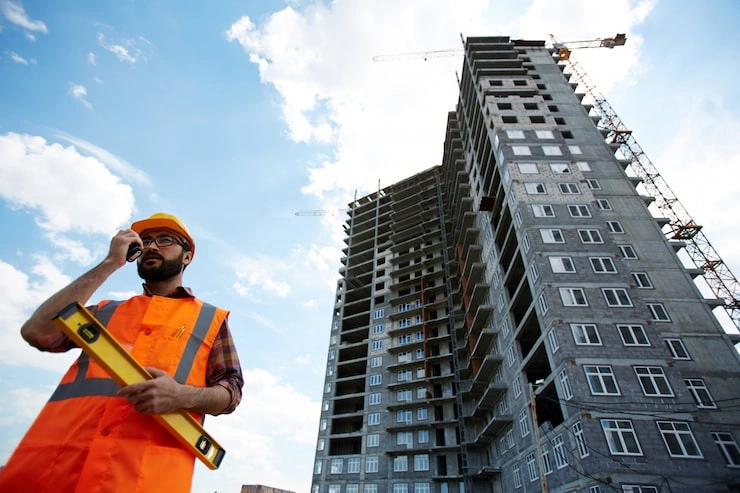
Construction is where plans turn into reality. But many developers make mistakes here, which can ruin even the best real estate development strategies. Managing construction well means keeping the project on time, staying within budget, and using good materials.
Hiring the right builders and workers is very important. Cheap work can lead to bigger costs later. Developers should also schedule regular inspections to check progress. Delays, poor materials, or mismanagement can lower property value.
Two main points to remember during construction:
-
Stick to a clear timeline and budget
-
Always check the quality of materials and work
Good construction management keeps the project smooth and ensures the final property is safe, attractive, and valuable.
Marketing and Selling Properties
Even after building a great property, success is not guaranteed without proper marketing. Marketing is all about letting potential buyers know about the property and why it is a good choice. Developers need to use clear pictures, simple ads, and easy contact methods.
Online platforms, social media, and property websites are useful for reaching buyers quickly. Offering virtual tours or clear layouts also helps buyers make decisions faster. Timing is important too; launching sales during peak buying seasons can increase interest.
Selling strategies should match the property type. Luxury homes may need professional agents, while affordable apartments can be promoted online. Smart marketing ensures that the property reaches the right people, which is the last step in turning real estate development strategies into profit.
Investment Tips for Property Growth
Real estate development is not just about building—it is also about smart investment. Developers must calculate costs, potential profits, and risks before starting. A small mistake in numbers can turn a profitable project into a loss.
Investors should also diversify. Not all money should go into one property or area. Some funds can be used for residential, others for commercial spaces. Studying the local economy helps predict which projects are likely to grow in value.
Simple investment tips:
-
Buy properties in growing areas with strong demand
-
Avoid overspending on features that buyers may not value
By making careful financial choices, developers can ensure their projects are profitable now and in the future.
Conclusion
In conclusion, real estate development strategies are simple steps that help developers succeed. From picking a good location to smart planning, construction, and marketing, every step counts. Even small decisions, like the type of flooring or layout, can affect profits.
By watching market trends and managing money wisely, developers can make properties that sell faster and grow in value. Following these easy strategies allows anyone, even beginners, to compete in the real estate market. The future of property development is bright for those who plan carefully and act smartly.
FAQs About Real Estate Development Strategies
1. What are the most important real estate development strategies?
The key strategies are choosing the right location, planning property design, understanding market trends, managing construction, and effective marketing. Following these steps carefully increases the chances of success.
2. How do I know if a location is good for property development?
Check population growth, nearby facilities like schools and shops, and future projects. Areas with good roads, transport, and demand for homes are usually strong choices.
3. Can small developers succeed in real estate?
Yes. Small developers can do well by focusing on smart planning, careful budgeting, and understanding the market. Even a small property can be profitable if managed wisely.