Have you ever wondered when is the right time to buy property? Many people say you should just buy and hold for a long time. Others say you must wait for the perfect moment. This debate can be confusing. The good news is a simple, clear formula can help solve this puzzle. This approach is not about guessing. It is about following a smart plan that works for most people.
Understanding property investment timing does not need to be complicated. It involves looking at clear signs in the real estate market cycles. The goal is to make smart choices, not perfect ones. This guide will show a straightforward method. It combines the best parts of both strategies for building long-term wealth.
Secret Formula Reveals Property Investment Timing Debate Solved
The big debate is between "timing the market" and "time in the market." The secret formula is not about picking one. It is about using both ideas together.
The formula has three parts:
-
Understand the Cycle: Know if it is a buyer's market or a seller's market.
-
Make a Long-Term Plan: Choose a property investment strategy you can stick with for years, like buy-and-hold rentals.
-
Act on Good Opportunities: Use the cycle (Step 1) to decide when to start or add to your long-term plan (Step 2).
Think of it like planting a tree. "Time in the market" is like planting a seed and watering it for years. "Timing the market" is like choosing to plant in the spring, when conditions are best. The best results come from doing both.
The Two Sides of the Debate Explained
Let's look at both strategies simply.
Timing the Market: Buying in a Buyer's Market
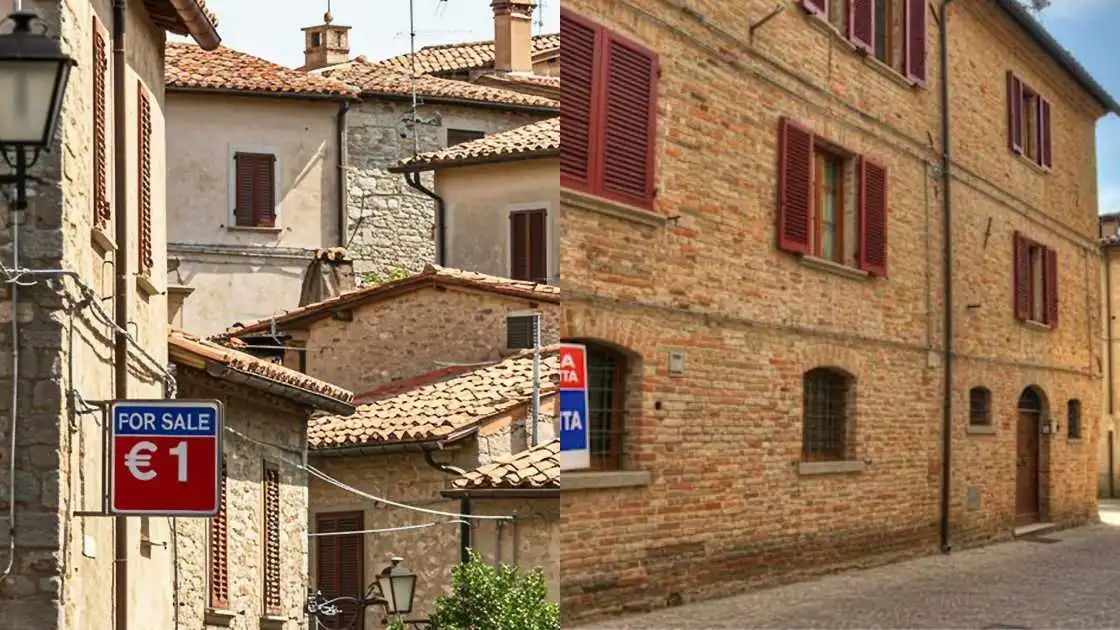
This means trying to buy property when prices are lower and there are more homes for sale. Signs of a buyer's market include many "For Sale" signs, homes taking a long time to sell, and prices not going up quickly.
-
The Good: You might buy a property for a better price. This can lead to more property appreciation later.
-
The Challenge: It is hard to know exactly when the market is at its lowest point. Waiting too long for the "perfect" time means you might miss good chances.
Time in the Market: The Power of Holding
This means buying a property and keeping it for many years. The idea is that over a long time, property values usually go up. This is a classic wealth building method.
-
The Good: It is simpler. You do not need to worry about short-term price changes. Over decades, you benefit from real estate appreciation.
-
The Challenge: If you buy at a very high price in a hot market, it might take many years just to get back to what you paid.
The secret formula uses the strengths of both. You make a long-term plan to hold property. Then, you use market timing to try and start that plan at a smarter price.
Your Action Plan: Steps to Follow the Formula
This plan turns the formula into clear steps anyone can follow.
Step 1: Learn to Read Market Signs
You do not need to be an expert. Just watch for a few key things:
-
Listings and Sales: Are homes selling fast with multiple offers? That is a seller's market. Are homes staying for sale for months? That is a buyer's market.
-
Mortgage Rates: When mortgage interest rates are lower, more people can afford to buy. This can increase demand. Rates around 6-7% have been recent averages.
-
Local News: Is a big new employer moving to your area? That brings jobs and people needing homes, which can push prices up.
Step 2: Choose Your Long-Term Investment Style
Pick a strategy that fits your goals before you worry about timing.
-
Rental Properties: Buying a home and renting it out provides monthly cash flow. This is a very popular passive income strategy.
-
Real Estate Investment Trusts (REITs): This is like buying a share in a big company that owns many properties. It is a way to invest without directly managing a home.
-
Fix-and-Flip: This involves buying a home, fixing it up, and selling it quickly for a profit. It is more active and has different risks.
Step 3: Be Patient and Ready to Act
Once you know your strategy, be patient. Watch for periods that look more like a buyer's market. That is when you want to be ready to make your move. Do not wait for the absolute bottom, as it is impossible to predict. Look for a good opportunity in a good environment.
Success Stories: The Formula in Real Life
Real people have used ideas from this formula to build wealth. Their stories show how it works.
-
From One Property to Twenty: Claudia owned one home in San Francisco. She sold it and used the money to buy twenty cash-flowing rental properties in more affordable cities. This move gave her $20,000 in monthly passive income. She used a rule called a 1031 exchange to defer taxes and reinvest. This shows moving from a high-price market (selling) to a better-value market (buying).
-
Finding Cash Flow: Kim and her husband wanted to retire but were worried. Their financial advisor gave them traditional advice. Instead, they learned about real estate investing. They built a portfolio of thirteen rental properties. Now, those properties pay them over $7,200 every month. This is the power of a long-term buy-and-hold strategy.
-
The Power of a Good Deal: A couple worked with investment advisors. In 2017, they bought a house for $580,000 in a market just starting to grow. A few years later, they sold it for over $800,000. They then reinvested that money into two more properties in another growing market. This is a perfect example of strategic market timing within a long-term plan.
What the Experts Say About Market Timing
Professional investors and economists watch the big picture. Their insights help us understand future trends.
-
On Interest Rates: "The situation is not going to change until we get mortgage rates back down toward 5%, or even lower," says John Sim, a research head at J.P. Morgan. He notes that high rates significantly affect demand.
-
On Supply and Demand: Michael Rehaut, a homebuilding analyst, points out that the supply of new homes has increased. He states, "Supply should be less of a support for the housing market in 2025". More supply can slow down rapid price increases.
-
On Long-Term Holding: Many advisors warn against risking your down payment money if you plan to buy a home soon. “I would not look to other investment opportunities if the plan is to still purchase a home in less than five years,” recommends certified financial planner Charles Hamilton.
Final Thoughts: Your Path Forward
The debate between timing and time is solved by a balanced formula. You do not have to choose one over the other. Commit to a long-term wealth creation strategy first. Then, use your knowledge of market cycles to make smarter entries into the market.
Start your journey today. Learn about your local market. Read about different investment strategies. Talk to a financial advisor. The path to financial freedom through real estate is built step by step, with patience and a good plan. The secret is not a magic trick. It is a sensible method that has worked for many successful investors.
Common Questions About Investment Timing
Is now a good time to buy an investment property?
There is rarely a "perfect" time. Instead of asking about "now," ask about "this cycle." Look at your local market signs. Compare prices and mortgage rates to average incomes in the area. If things seem balanced or favor buyers more than usual, it could be a good strategic time to start your long-term plan.
How do I start with little money?
You can start with strategies like house hacking, where you live in one part of a property and rent out the rest. Other options include partnering with others or looking into real estate crowdfunding platforms, which allow smaller investments. The key is to start learning and planning.
What is the biggest mistake to avoid?
The biggest mistake is letting fear or excitement make your decision. Do not buy in a frenzy because everyone else is (often at the top of a market). And do not be too scared to buy when there is bad news (sometimes near the bottom). Have a plan and stick to it.
How important is location versus timing?
Both are very important! A great property in a poor location may not grow in value. But even in a great location, buying at a very high price can mean waiting a long time for a good return. The best results come from a good location and a sensible purchase price within the market cycle.