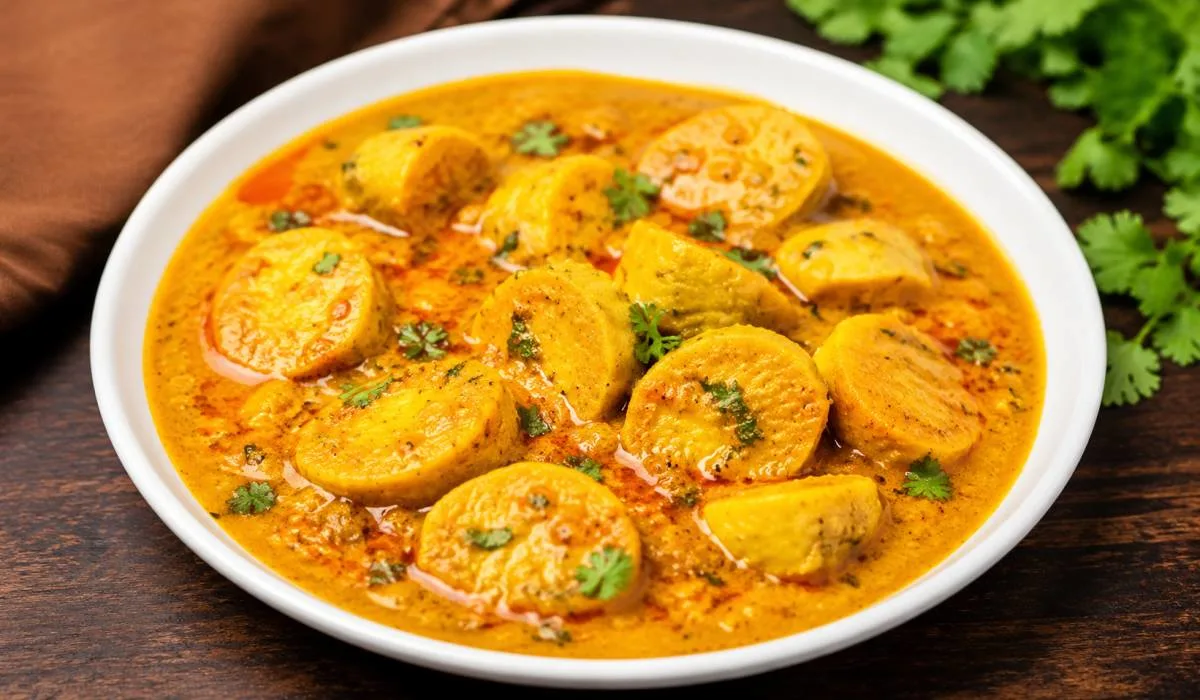
Gatte ki sabzi recipe is something every Rajasthan household knows. But it is not just for Rajasthan. People all over India make it. They love it. I learned this gatte ki sabzi recipe from my mother in law. She is from Jaipur. She makes it perfectly. Her gatte are soft. Her gravy is spicy.
The whole house smells amazing when she makes it. I tried many times to copy her. I failed many times. The gatte were hard. The gravy was thin. But I kept trying. Now I have my own gatte ki sabzi recipe. It is not exactly like hers. But it is good. My family likes it. That is all that matters.
Gatte Ki Sabzi Recipe Ingredients
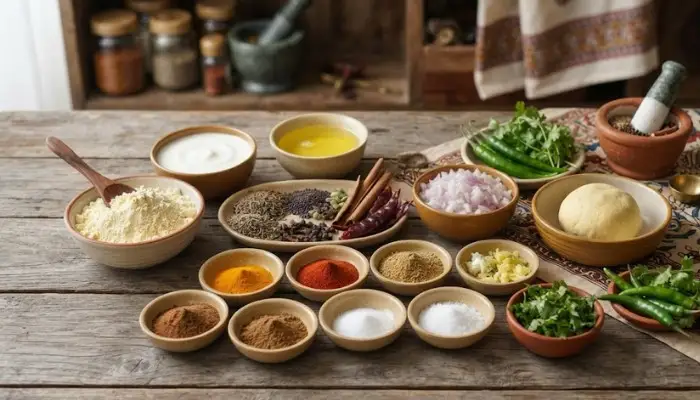
Let me list everything you need. Properly. Like I have it in my kitchen.
For the gatte:
- Besan. One cup.
- Red chilli powder. Half spoon.
- Turmeric. A pinch.
- Coriander powder. One spoon.
- Hing. A pinch.
- Salt. To taste.
- Oil. One spoon. Hot.
- Water. To make dough.
For the gravy:
- Oil. Two spoons.
- Jeera. One spoon.
- Hing. A pinch.
- Onion. One. Chopped fine. (Some people do not use onion. I use it.)
- Ginger garlic paste. One spoon.
- Tomatoes. Two. Pureed.
- Red chilli powder. One spoon.
- Turmeric. A pinch.
- Coriander powder. One spoon.
- Garam masala. Half spoon.
- Salt. To taste.
- Water. Two cups.
- Fresh coriander. For garnish.
That is all. You might have everything at home. Besan is the main thing. If you have besan, you can make this.
Read More: Hot Chocolate Recipe with Cocoa Powder at Home
How To Make Gatte Ki Sabzi Recipe?
I will tell you the whole process. It has two parts. First we make the gatte. Then we make the gravy. Both are important. Both need care.
- Start with the gatte. Take besan. One cup. Not the fine one. The coarse one works better. But fine also works. My mother in law uses coarse. She says it gives better texture.
- Add spices to the besan. Red chilli powder. Half spoon. Turmeric. A pinch. Coriander powder. One spoon. Salt. As per taste. A little hing. This is important. Hing gives the Rajasthani taste. My husband says he can tell if I forget hing. He is right. I forgot once. He noticed.
- Add oil. One spoon. Hot oil. This is a trick. Heat oil in a small pan. Then pour it over the besan. Mix it with a spoon. The oil makes the gatte soft. Without this, they become hard. I learned this after many failures.
- Now add water. Little by little. Make a dough. A soft dough. Not too hard. Not too soft. Like roti dough. Knead it well. For five minutes. The dough should not stick to your hands.
- Now make the gatte. Take small portions. Roll them into cylinders. Like thick fingers. Thick. Not too thin. The length of your finger. Keep them all same size. So they cook evenly.
- Boil water in a big vessel. Add salt to the water. When it boils, put the gatte in. Let them boil. They will float up. This takes about ten minutes. When they float, take them out. Put them in cold water. This stops the cooking. Then cut them into pieces. Small pieces. One inch each. Keep aside.
Now the gatte are ready. Keep them aside. We will add them to the gravy later.
The Gravy
Now the gravy. This is the second part. The gravy is what makes the gatte come alive. Without gravy, the gatte are boring. With gravy, they are amazing.
- Take a pan. Put it on the stove. Medium flame. Add oil. Two spoons. Or ghee if you want. My mother in law uses ghee. She says it makes the gravy rich. She is right. But oil works too. I use oil when I am making it for everyday. I use ghee for guests.
- Let the oil heat. Do not let it smoke. Just warm. Now add jeera. One spoon. Let it splutter. You will hear the sound. That is the sound of cooking. My daughter comes to the kitchen when she hears this sound. She knows something good is happening.
- Add hing. A pinch. This is important. Hing gives the Rajasthani taste. I forgot it once. The gravy tasted flat. My husband said something is missing. He was right. So do not forget the hing.
- Now add onion. Chopped fine. One medium onion. Cook it. Stir it. Let it become golden brown. This takes time. Five minutes. Maybe seven. Do not rush. If the onion is raw, the gravy tastes raw. If it is burnt, the gravy tastes bitter. So golden brown is the right colour.
- I remember the first time I made this. I burnt the onion. I was on the phone. I looked away for two minutes. The onion turned black. I had to throw everything and start again. So stay near the stove. Watch the onion.
- Now add ginger garlic paste. One spoon. Cook for one minute. The raw smell will go away. You will smell the ginger. You will smell the garlic. It is a nice smell. My mother in law says this is the base of all good gravies. She is right.
- Now add the tomato puree. Two tomatoes. Pureed. Add it to the pan. Stir it. Cook it. The tomato will cook down. It will become soft. It will mix with the onion. Cook till the oil separates. This is important. The oil will start to leave the sides of the pan. You will see small bubbles. That means the masala is cooked. This takes about five minutes.
- Now add the dry spices. Red chilli powder. One spoon. Turmeric. A pinch. Coriander powder. One spoon. Garam masala. Half spoon. Salt. As per taste. Mix everything. Cook for two minutes. The spices will release their flavour. You will smell it. The whole kitchen will smell nice.
- Now add the curd. If you want. This is optional. Some people add it. Some do not. My mother in law adds it. She says it gives a tangy taste. But you have to be careful. Whisk the curd first. No lumps. Then add it slowly. On low flame. Stir continuously. If you add it on high flame, it will curdle. The gravy will become grainy. I made this mistake. The gravy was ruined. So add it slowly. Stir all the time.
- Now add water. Two cups. Or one and a half. Depends on how thick you want the gravy. I like medium thick. So I add one and a half cups. Add it slowly. Stir it. Let it come to a boil.
- When the gravy starts boiling, add the gatte. The pieces you cut earlier. Put them in. All of them. Let them cook in the gravy for five minutes. They will absorb the gravy. They will become soft. They will become flavourful.
- Let it simmer. Low flame. For five more minutes. The gravy will thicken. The gatte will soak up the taste. You will see the oil floating on top. That is the sign it is done.
- Now turn off the flame. Garnish with fresh coriander. Chopped. Lots of it. The coriander adds colour. It adds freshness. It makes the dish look beautiful.
Your gatte ki sabzi is ready. Serve it hot. With roti. With rice. With anything. It is delicious.
Gatte Ki Sabzi Rajasthani Style
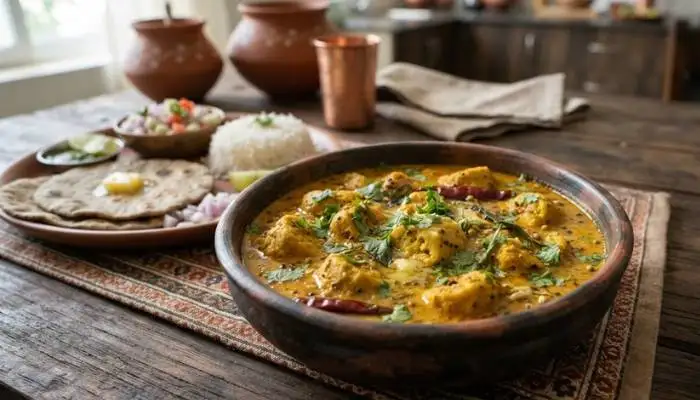
The Rajasthani style is different. It is more spicy. It has more oil. It has a certain taste.
- The real Rajasthani style uses more red chilli. They use the spicy chilli powder. Not the mild one. The gravy becomes red. Dark red. That is the look. That is the taste.
- They also use more ghee. Not oil. Ghee. Pure ghee. They say it gives the real taste. My mother in law uses ghee. She says oil is not proper. She is right. Ghee makes it richer. But I use oil sometimes. When I want it lighter. Both work.
- The Rajasthani style also uses curd in the gravy. Sour curd. It gives a tangy taste. It balances the spice. My mother in law adds curd. She says it is the secret. But you have to be careful. Curd can curdle. So you have to whisk it well. You have to add it on low flame. I have made this mistake. The curd split. The gravy became grainy. It was not nice. So be careful.
- Another thing. The Rajasthani style uses dried mango powder. Amchur. At the end. A little sprinkle. It gives a sour kick. My husband loves this. He says it takes him back to his village.
- This style is not for everyone. It is for people who like strong flavours. My daughter finds it too spicy. So I make a milder version for her. But when I make it authentic, I follow this. It is proper Rajasthan.
Besan Gatte Ki Sabji
This is the heart of the dish. Besan gatte ki sabji. The besan dumplings are everything. The gravy is secondary. The dumplings are the star.
The besan should be good quality. Not old. Old besan has a smell. It tastes bitter. I buy from the local shop. Small quantity. Fresh. I check the colour. It should be light yellow. Not dark. Not white. Light yellow.
The besan should be roasted sometimes. Some people roast it first. On a dry pan. For two minutes. Till it smells nice. This removes the raw taste. My mother does this. I do not always. It is an extra step. But it makes a difference. If you have time, do it.
When you make the dough, do not add too much water. The gatte will become hard. They will not be soft. They will be like stones. I made this mistake. The gatte did not absorb the gravy. They stayed hard. My father in law looked at them. He did not say anything. But he ate only the gravy. That told me everything.
So make the dough soft. And roll the gatte properly. And boil them properly. And cut them properly. Every step matters.
My Mistakes Over The Years
I want to tell you my mistakes. I made many. You can avoid them.
Mistake one. Not adding hot oil to the besan. The gatte were hard. Very hard. No one liked them. I threw them away. Now I never skip this step.
Mistake two. Over boiling the gatte. I forgot the time. I was talking on the phone. They became mushy. They fell apart in the water. I had to start again. Now I set a timer.
Mistake three. Adding curd without whisking. It curdled. The gravy had white bits. It looked bad. It tasted sour in a bad way. Now I whisk the curd properly. I add it slowly. On low flame. It never curdles now.
Mistake four. Not adding enough salt. I was being careful. But the gatte need salt. The gravy needs salt. Without salt, it tastes flat. My husband complained. He said it is tasteless. I added salt later. But the gatte did not absorb it. So add salt properly from the start.
Mistake five. Adding too much water to the gravy. It became thin. The gatte floated in it. It looked like soup. Not sabzi. It should be thick. Medium thick. The gravy should coat the gatte. So add water slowly. Check the consistency.
Mistake six. Not garnishing with fresh coriander. This is small. But it matters. The colour. The smell. The freshness. It completes the dish. I forgot once. The dish looked dull. I remembered later. But it was too late. So do not forget.
Serving Suggestions
- Gatte ki sabzi goes with many things. The best is with roti. Hot roti. Made on tawa. Some ghee on top. The sabzi on the side. You take a piece of roti. You scoop the gravy. You eat a piece of gatte. It is heaven. My family eats it this way.
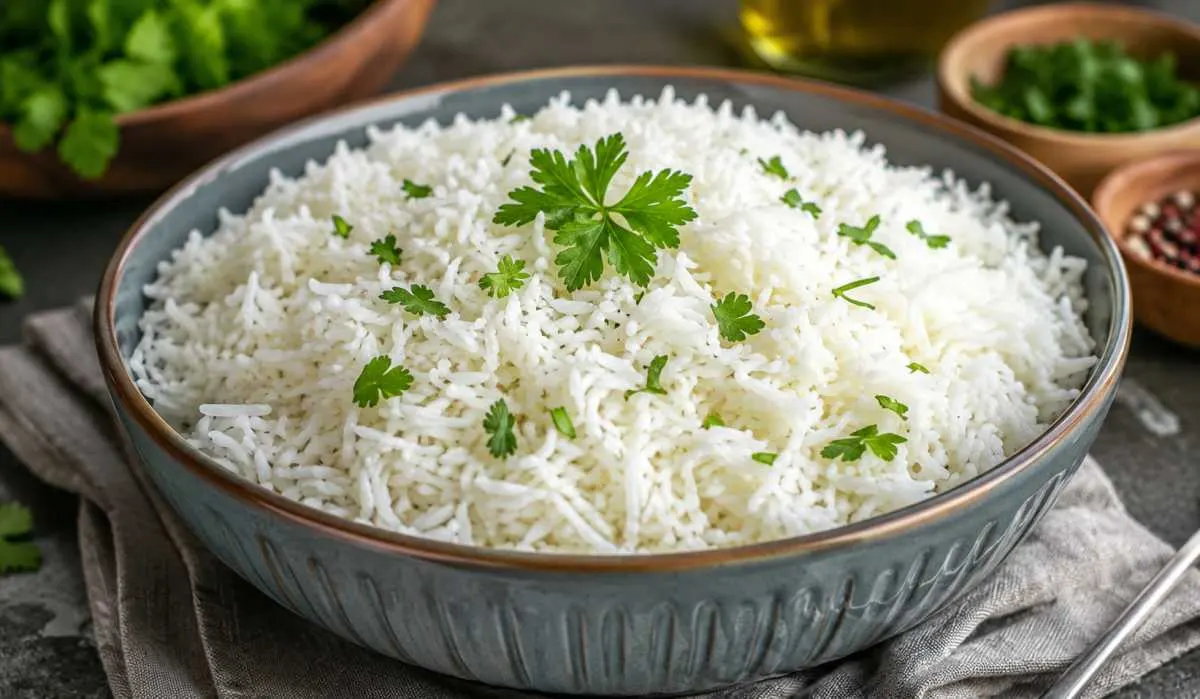
- It also goes with rice. Steamed rice. Plain rice. The gravy mixes with the rice. The gatte pieces are on top. My son likes this. He eats rice with gatte ki sabzi. He says it is his favourite.
- It also goes with jeera rice. The cumin flavour matches. The spice levels match. My husband likes this combination. He makes it on Sundays.
Some people eat it with poori. Fried poori. The soft poori with the spicy gravy. It is very rich. Good for special occasions. My mother in law makes this for Diwali.
For a simple meal, just roti and sabzi. Plus some pickle on the side. And raw onion. Cut into rings. This is a full meal. It is satisfying. It fills you up.
You May Also Read: Ultimate Sweet Potato Recipes: Simple, South Indian and Baked Ideas
Tips For Perfect Gatte
Let me give you some tips. These come from experience.
- First, the dough. Knead it well. With your hands. Feel the texture. It should be soft. If it cracks when you roll, add a little water. If it sticks to your hand, add a little besan. You will know when it is right.
- Second, the rolling. Roll them tight. Not loose. Loose gatte will break in the water. Tight gatte will hold their shape. My mother in law taught me this. She rolls them very tight. She says the tightness gives the perfect texture.
- Third, the boiling water. The water should be boiling. Not simmering. Not warm. Boiling. When you drop the gatte in, they should cook fast. If the water is not boiling enough, they will absorb water. They will become soggy. So make sure the water is rolling.
- Fourth, the gravy consistency. It should be medium thick. Not too thin. Not too thick. If it is thin, it will not coat the gatte. If it is thick, it will be heavy. The right consistency is when it coats the back of a spoon. That is perfect.
- Fifth, the tempering. The tadka matters. Heat oil. Add jeera. Let it splutter. Add hing. Then add onion. Cook till golden. This base gives the flavour. Do not rush this. Take your time. The onion should be properly cooked. If it is raw, the gravy tastes raw.
- Sixth, the tomatoes. Puree them well. No lumps. Lumps look bad. They also taste strange. So blend the tomatoes properly. Or pass them through a sieve. This takes time but it is worth it.
- Seventh, the masalas. Add them at the right time. Add them after the onion and ginger garlic are cooked. If you add them too early, they burn. If you add them too late, they do not cook properly. So add them after the tomatoes are soft. Then cook for two minutes. Till the oil separates. This is the sign the masalas are done.
For Special Occasions
- Gatte ki sabzi is for special days. We make it for guests. We make it for festivals. We make it when someone visits from out of town.
- For guests, I make it rich. More ghee. More nuts. I add cream at the end. A little cream. It makes the gravy silky. Everyone compliments me.
- For festivals, I make it the authentic way. Rajasthani style. Full spice. Full flavour. My mother in law helps me. She tells me what to do. I listen. She has been making it for forty years. She knows everything.
- For my daughter's birthday, she asked for gatte ki sabzi. She does not eat cake. She eats this. So I made it. She invited her friends. They all asked for the recipe. I was proud.
- This dish is for happy moments. The smell fills the house. It brings everyone to the kitchen. They ask when it will be ready. They stand near the stove. They wait. That is the joy of this dish.
Quick Version For Busy Days
- Sometimes we are busy. But we still want gatte ki sabzi. So I make a quick version.
- I use ready gatte. From the store. It is not as good. But it works. I keep a packet in the pantry. For emergencies.
- I make the gravy quickly. Onion, ginger garlic, tomatoes, masalas. All in the mixer. Grind to a paste. Then cook it in oil. Add water. Add the gatte. Simmer for five minutes. Done.
- It takes fifteen minutes. It is not authentic. But it is tasty. My family eats it happily. They do not complain.
- Sometimes we just want the taste. We do not want to spend an hour. So this is good.
A Little Story
My first attempt at gatte ki sabzi was a disaster. I was newly married. I wanted to impress my husband. I called my mother. She told me the steps. I wrote them down. I followed them exactly. But something went wrong.
- The gatte were hard. Like rubber. The gravy was watery. I added too much water. It looked like a soup. My husband looked at it. He smiled. He said it is okay. He ate it. He did not complain. But I knew. It was not good.
- The next time, I asked my mother in law. She showed me. She said you have to use hot oil. You have to knead well. You have to cook the gravy properly. She stood with me. I made it again. It was better. Not perfect. But better.
- After ten tries, I got it. Now it is perfect. My husband says it is as good as his mother's. That is the biggest compliment. I feel proud. I feel happy.
So if your first attempt fails, do not worry. Try again. You will get it.
One Last Thing
Gatte ki sabzi is a skill. It takes practice. Do not give up if it does not turn out perfect. Every time you make it, you learn. My mother in law made it for forty years. She still learns new things. She still changes the recipe.
The best gatte ki sabzi is the one made with patience. The one made with love. When you take time. When you do every step carefully. When you taste and adjust. That is the one that everyone remembers.
Make it for your family. They will love it. They will ask for more. They will tell you it is the best thing you have made.
FAQs
1. Can I make gatte ki sabzi without onion and garlic?
Yes. Many people do this. Especially during fasting days. Skip the onion and garlic. Use more ginger. Use raw mango powder. The taste changes. But it is still good. My mother in law makes this version for Navratri. She uses pumpkin in the gravy instead of tomatoes. That gives a different taste.
2. Why did my gatte become hard?
Two reasons. First, you did not add hot oil to the besan. This is the main reason. The oil makes them soft. Second, you added too much water to the dough. The dough became tight. The gatte became hard. So remember the hot oil. And knead the dough properly. Not too tight. Not too loose.
3. Can I freeze gatte for later?
Yes. You can freeze them. After boiling, let them cool. Put them in a box. Freeze them. When you want to use, take them out. Thaw them. Then add to the gravy. They stay good for a month. My mother does this. She makes a big batch. Then uses them whenever she wants. Very convenient.
4. How to make the gravy more spicy?
Add more red chilli powder. The spicy one. Or add green chillies. Slit them and put in the gravy. They will release heat. My husband likes it very spicy. So I put three green chillies. And extra red chilli. It becomes very hot. He loves it. The rest of us drink water.
5. Can I make gatte ki sabzi vegan?
Yes. Skip the ghee. Use oil. The rest is already vegan. Besan is vegan. All the spices are vegan. So just use oil instead of ghee. My vegan friend liked it. She said it was delicious. She had it with rice. So yes, it is vegan friendly.
6. How long does gatte ki sabzi last?
In the fridge, it lasts two days. Keep it in a closed container. Reheat it on the stove. Add a little water if it becomes thick. Do not microwave too much. The gatte become hard in the microwave. I reheat it on the stove. It stays soft.