Janmashtami is almost here. The festival of Lord Krishna. We all want to make something special for bhog. Something traditional. Something that Krishna loved. I have been making Janmashtami food recipes for years. I learned from my mother. She learned from hers. We make makhan mishri because Krishna loves butter. We make panchamrit for the holy bath. We make dhaniya panjiri for prasad.
We make makhana kheer for dessert. Everything is made with devotion. No complicated steps. No hard-to-find ingredients. Just simple food made with love. I will share all my Janmashtami food recipes with you. Complete menu. From sweets to savoury.
Easy Janmashtami Food Recipes
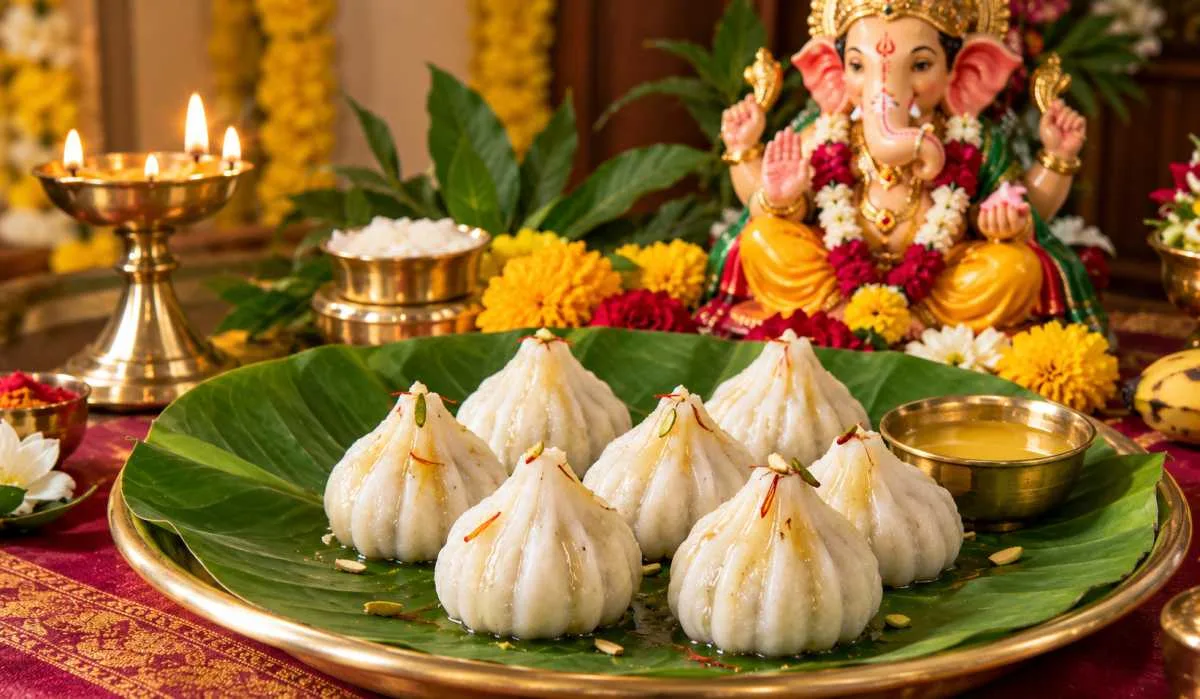
Janmashtami celebrations are incomplete without a special bhog for Laddu Gopal. The food we make for Krishna is called bhog. It is offered to him during the puja. Then it is distributed as prasad.
Here are my easy Janmashtami food recipes. Simple. Quick. Tasty.
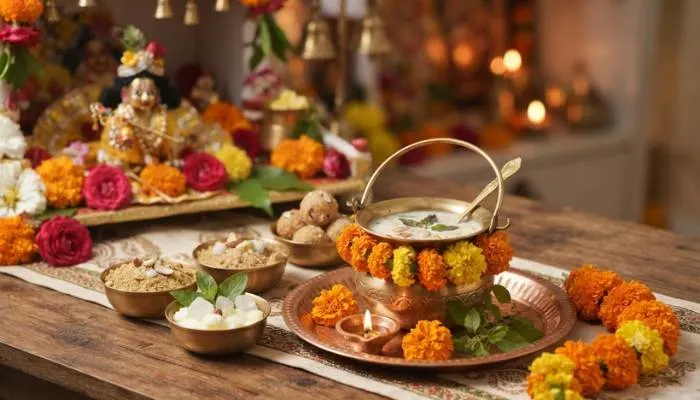
Makhan Mishri
This is Lord Krishna's favourite. He is known as Makhan Chor. The butter thief. This is the most important offering.
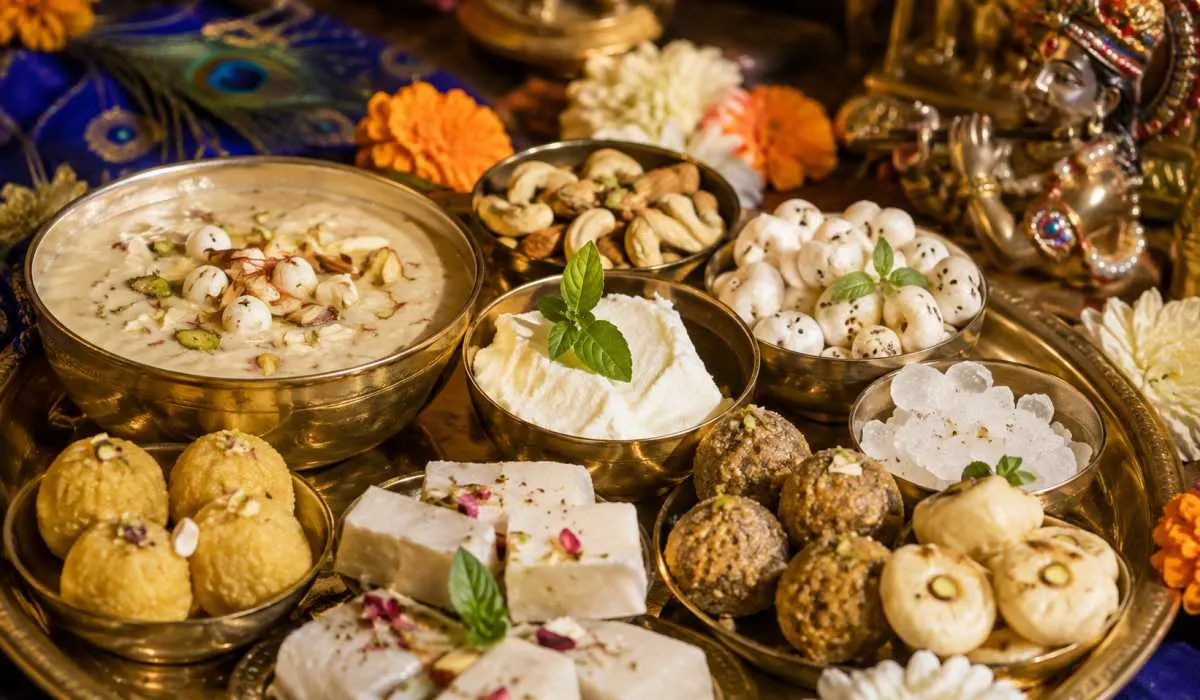
Take fresh white butter. Homemade is best. Mash it lightly with a fork. Add mishri. Rock sugar crystals. Equal quantity. Mix well. Shape into small balls. Or serve in a bowl. That is it. No cooking. So easy. This is the first offering to Krishna during the puja.
Panchamrit
This is the sacred five-nectar mixture. It is used to bathe the deity. It is the simplest thing to make.
Take curd. One cup. Add milk. Half cup. Add honey. Two spoons. Add sugar. Two spoons. Add ghee. One spoon. Mix well. Add tulsi leaves. That is it. This is the first thing offered to Lord Krishna during the celebration.
Dhaniya Panjiri
This is a special prasad. Unlike regular panjiri made with wheat flour, this version uses roasted coriander seeds. It is grain-free. Perfect for fasting.
Dry roast coriander seeds for two minutes. Grind to a powder. Roast the powder in ghee. Add powdered sugar. Add roasted nuts. Add makhana. Add coconut. Mix well. This is a very traditional offering.
Makhana Kheer
This is creamy. Tasty. Aromatic. It is a rich, comforting dessert. Made with fox nuts in full-fat milk.
Roast makhana in ghee. Crush coarsely. Boil milk. Add crushed makhana. Add whole makhana. Cook till thick. Add sugar. Add cardamom. Add saffron. Garnish with nuts. This kheer is perfect for bhog.
Sabudana Khichdi
This is a light vrat-friendly dish. Made with soaked tapioca pearls. Peanuts. Mild spices. Cooked in ghee. Seasoned with sendha namak. It keeps you energised during fasting. Very comforting.
Peda
This is a soft milk-based sweet. Made with khoya. Flavoured with cardamom. Topped with sliced nuts. Lord Krishna loves milk-based sweets.
Read More: Hot Chocolate Recipe with Cocoa Powder at Home
Janmashtami Food Recipes Indian
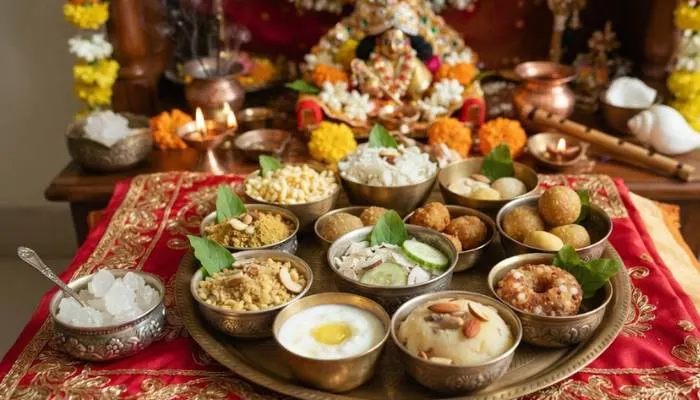
Indian food for Janmashtami is special. It is traditional. It is full of devotion. Here are the traditional dishes.
Gopalkala
This is also one of Krishna's favourites. It is a savoury mixture of poha, curd, cucumber and coconut. It is symbolic of Dahi Handi. It is light. Easily digestible. Quick source of energy.
Makhana Paag
This is a crispy and crunchy sweet snack. Roasted makhana is mixed with sugar syrup of one string. Coated with grated coconut and dry fruits. Very tasty. Very traditional.
Charnamrit
This is a holy drink. Made with five key ingredients. Milk, curd, honey, ghee and tulsi leaves. It is the first thing offered to Lord Krishna during the celebration.
Rajgira Laddoo
These are made with puffed amaranth seeds. Bound with jaggery. Perfect for fasting. Very healthy. Very tasty.
Singhare Ke Pakode
These are deep-fried treats. Made with water chestnut flour. Mixed with mashed boiled potatoes. Seasoned with sendha namak and cumin powder. Deep fried in ghee. Perfect for vrat.
Malpua
Malpua has a special place in the Chappan Bhog menu. Lord Krishna is fondly known as Makhan Chor. Milk-based and ghee-rich sweets are his favourites. Malpua fits perfectly into this category.
Lassi
Lassi is popular in Barsana. The birthplace of Radha. Different kinds of lassi are made there. Kesar lassi. Peda lassi. Gulab lassi. All are loved by Krishna.
What Food Is Made On Janmashtami?
Let me tell you what food is made on Janmashtami. This is the full list.
Prasad Items:
- Makhan Mishri
- Panchamrit
- Dhaniya Panjiri
- Makhana Kheer
- Peda
- Besan Laddoo
- Ghevar
- Kaju Katli
Fasting Food:
- Sabudana Khichdi
- Kuttu Roti
- Singhara Puri
- Aloo Tamatar Ki Sabzi
- Fruit and Curd Bowl
- Rajgira Laddoo
Traditional Dishes:
- Gopalkala
- Makhana Paag
- Charnamrit
- Malpua
- Lassi
This is what food is made on Janmashtami. A complete spread. Something for everyone.
Janmashtami Vrat Food
Janmashtami vrat is important. We fast to honour Lord Krishna. But we need to eat the right food.
What To Eat During Janmashtami Vrat:
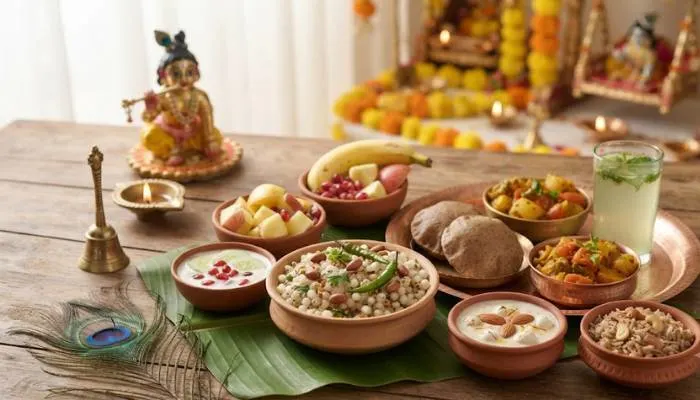
- Fruits: Bananas, apples, pomegranates, papaya, coconut, oranges and other seasonal fruits. They give fluids and natural carbohydrates.
- Dry Fruits And Nuts: Almonds, walnuts, cashews, pistachios, raisins and dates. They give energy. They are nutritious.
- Milk And Dairy Products: Milk, curd, paneer, makhan. Makhan mishri is specially associated with Krishna.
- Makhana: Fox nuts. Roast and eat with permitted seasoning. Very filling.
- Sabudana: Tapioca pearls. Make khichdi or vada.
- Kuttu and Singhara Flour: Buckwheat flour and water chestnut flour. Make rotis or puris.
- Rajgira: Amaranth. Make rotis and snacks.
- Samak Rice: Barnyard millet. Use as rice substitute.
- Sendha Namak: Rock salt. Used instead of regular salt.
What To Avoid During Janmashtami Vrat:
- Regular Grains: Wheat, ordinary rice, oats, maize.
- Pulses And Legumes: Dal, beans, chickpeas, peas.
- Onion And Garlic: Excluded from satvik and vrat preparations.
- Ordinary Table Salt: Use sendha namak instead.
- Meat, Fish And Eggs: Non-vegetarian food is avoided.
- Alcohol And Tobacco: No place in a devotional fast.
- Processed Foods: Check labels. Many contain prohibited ingredients.
Lord Krishna Favourite Food Items
Lord Krishna has many favourite food items. Let me tell you about them.
Makhan Mishri
This is the top favourite. Krishna is known as Makhan Chor. The butter thief. He loved stealing butter as a child. This is why we offer him makhan mishri.
All Things Milk
Krishna loves cow milk and all dishes made from it. Peda is one of his favourite sweets. Rabri, rasmalai, malpua, chaas, kadi, dahi-bhalla are also loved.
Lassi
Lassi is popular in Barsana. Kesar lassi. Peda lassi. Gulab lassi. All are special.
Simple Food
Krishna also loved simplicity. A fistful of chuda. Flattened rice brought by Sudama. Khichdi offered by Vidhur. These were enough to please him.
Jamun Fruits
Krishna had a fondness for jamun fruits. He would even trade bangles for them.
Appam and Seedai
Periyazhvar's verses mention appam and seedai. These are traditional offerings. They have been made for Krishna for centuries.
Sukku Vellam
Dry ginger mixed with jaggery. This is offered for digestion. After all the rich food, ginger aids digestion.
You May Also Read: Easy Breakfast Recipes Under 10 Minutes for Busy Mornings
My Mistakes
I have made mistakes. I will share them. So you do not make them.
- Mistake one. Not using fresh butter for makhan mishri. I used store butter. The taste was not the same. Now I always use fresh homemade butter.
- Mistake two. Adding sugar to hot panjiri. The sugar melted. It became sticky. Not a dry mixture. Now I always cool completely before adding sugar.
- Mistake three. Burning the coriander seeds. I kept on high flame. They burned. Bitter taste. Now I always roast on low flame.
- Mistake four. Overcooking the kheer. It became too thick. Like a solid. Not a liquid dessert. Now I take it off when it is still slightly runny.
- Mistake five. Not soaking sabudana properly. It was still hard in the middle. The khichdi was not good. Now I soak for at least four hours.
- Mistake six. Adding sugar too early to kheer. The milk curdled. Sugar can curdle milk. Now I add sugar at the end.
Serving Tips
How you serve matters. Here is what I do.
- For Prasad: Put everything in clean bowls. Brass or silver bowls are best. Traditional. Beautiful. Add a tulsi leaf on top. It makes it a proper offering.
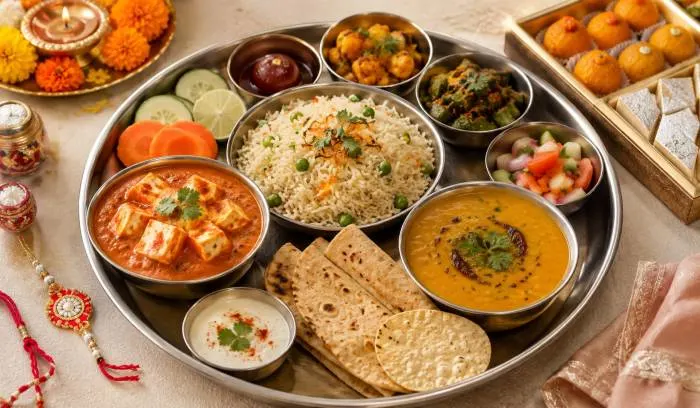
- For Bhog Thali: Arrange everything on a big thali. Makhan mishri. Panchamrit. Dhaniya panjiri. Makhana kheer. Peda. It should look full and colourful.
- For Fasting Meals: Serve on banana leaves. Or simple plates. Keep it simple. The food is more important than the presentation.
- For Family: Serve hot. Food tastes best hot. Keep it covered. Serve just before eating.
For Different Occasions
This food is for Janmashtami. But it can be for other occasions too.
- For Diwali: Make the same sweets. Peda. Besan laddoo. Kaju katli. Very festive.
- For Ekadashi: Make vrat food. Sabudana khichdi. Kuttu roti. Rajgira laddoo. Perfect for fasting.
- For Guests: Make a sweet box. Give them a mix of prasad. Homemade food is special. It shows love.
- For Everyday: Pick one dish. Makhan mishri as a sweet treat. Sabudana khichdi as a light meal. Very easy.
A Little Story
I remember Janmashtami from my childhood. My mother would start cooking early in the morning. The kitchen would smell of ghee. Of cardamom. Of devotion.
- She would make everything fresh. Makhan mishri with butter she churned herself. Dhaniya panjiri with coriander from our garden. Makhana kheer that cooked for hours. It was all made with love.
- I would help her. I would whisk the curd for panchamrit. I would roll the pedas. She would tell me stories about Krishna. About Mathura. About his love for butter.
- Now I make everything for my family. My daughter helps me. She learns the traditions. She learns the love.
- Janmashtami is about food. But more than that, it is about devotion. About family. About tradition. The food is just a way of showing love.
One Last Thing
- Janmashtami food is not difficult. It is simple. It is traditional. It is made with love.
- Make it for your family. Offer it to Lord Krishna. Share it with everyone. Enjoy the blessings.
- The best Janmashtami food is made with devotion. With love. With patience. When you make it for the Lord, everything is perfect.
FAQs
1. What is Chappan Bhog?
Chappan Bhog means 56 dishes. It is offered to Lord Krishna. It is said that Krishna lifted Govardhan mountain for seven days. He could not eat for seven days. People made 8 dishes each day. 8 x 7 = 56 dishes. This started the tradition. The bhog includes dishes of all tastes.
2. What is the first thing offered to Krishna?
Makhan mishri is the first thing offered. It is his favourite. After that comes panchamrit. Then other sweets and fruits.
3. Can I eat normal salt during Janmashtami vrat?
No. Use sendha namak. Rock salt. It is allowed in fasting. Normal table salt is not allowed. Sendha namak is mined. It does not have anti-caking agents.
4. Can I eat rice during Janmashtami vrat?
Normal rice is not allowed. But samak rice is allowed. It is barnyard millet. It is a rice substitute for fasting.
5. Why is dhaniya panjiri made for Janmashtami?
Dhaniya panjiri is grain-free. It is perfect for those observing the fast. It is made with coriander seeds. Coriander has Ayurvedic benefits. It cools the body. It helps digestion. The monsoon season causes humidity. Digestion slows down. Coriander helps.
6. What can I eat during Janmashtami vrat?
Fruits, dry fruits, milk, curd, paneer, makhana, sabudana, kuttu flour, singhara flour, rajgira, samak rice. Use sendha namak. Avoid regular grains, pulses, onion, garlic.