Whether you're trying to lose a bit of weight or just making a few simple healthy eating tweaks, you may not be entirely sure where to begin. A quick search on the web will throw up a mass of information about diets and food but some of its misleading and even downright dangerous! Here to clear things up, these experts have busted these hazardous diet trends doing the rounds.
Avoid meal replacements they never work
Despite the need to take care and get your doctor's permission before you start testing them out, meal replacement shakes and snacks can certainly help if you’re fighting obesity. A recent Oxford University study found that dieters who relied on meal replacements lost an average of three pounds more in the first year than those who took a more conventional approach. There are also very strict rules about what is required in weight loss meal replacements: they have to contain a comprehensive mix of vitamins and minerals as well as being high in protein and fibre.
Eat a big breakfast
Breakfast eaters, in general, tend to be less likely to experience health issues, but that does not indicate that people who eat a substantial breakfast adopt an effective strategy for shedding pounds. In reality, a 2011 investigation from the University of Munich suggested that individuals who ate large breakfasts also consumed equal portions for lunch and took in an additional 400 calories throughout the day. "If you choose not to consume breakfast, it isn't really a dietary violation, as long as that approach is effective for you, and you make solid choices for the remainder of your day," says Dr. Sarah Schenker, the author of "Consuming Fat Will Make You Fat: And Various Other Human Body Myths Busted."
Eating late makes you put on weight
Although eating at night may contribute to some bad things like more acid reflux and poorer sleep, researchers have shown not very much about how it may contribute to obesity. Instead, focus on what you eat rather than when you eat.
You must cut out all sugar
Cutting added sugar is also a smart choice - it provides empty calories but lacks any nutritional value, and while it’s not a magic weight-loss formula, people can make it easier to ease their feelings of food guilt by keeping portions small and enjoying a weekly sweets indulgence.
An hour extra in the gym buys you a chocolate bar
The bad news is that the calories you burn during exercise do not become calories to add to your meal allowance afterward. This is because a large portion of us make up the calories spent, without us even noticing, on workout days - perhaps being less active, maybe taking an extra rest time, maybe moving a little slower. The positive of exercise is really enormous; just don't be sure weight loss will be an option.
Ditch the scales
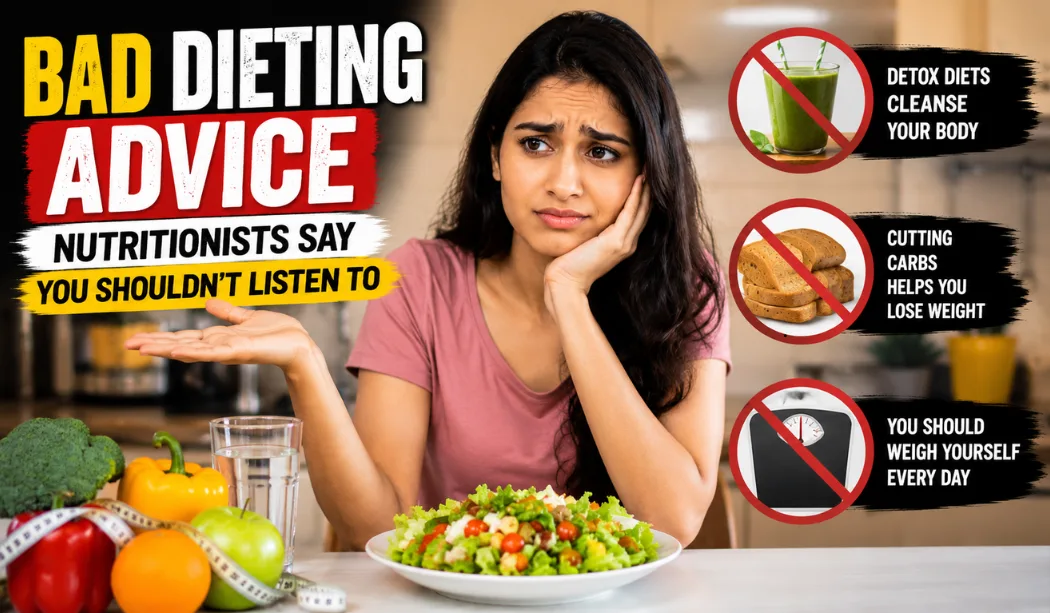
If you have or have ever had issues around food, these issues may lead to an obsession with the scale. For those of us who have a more positive relationship with food, checking scales (once or twice per week) could be a positive way to address weight gain or weight loss. Always keep in mind we are individuals and our body composition will determine the weight appropriate for us.
Don’t snack
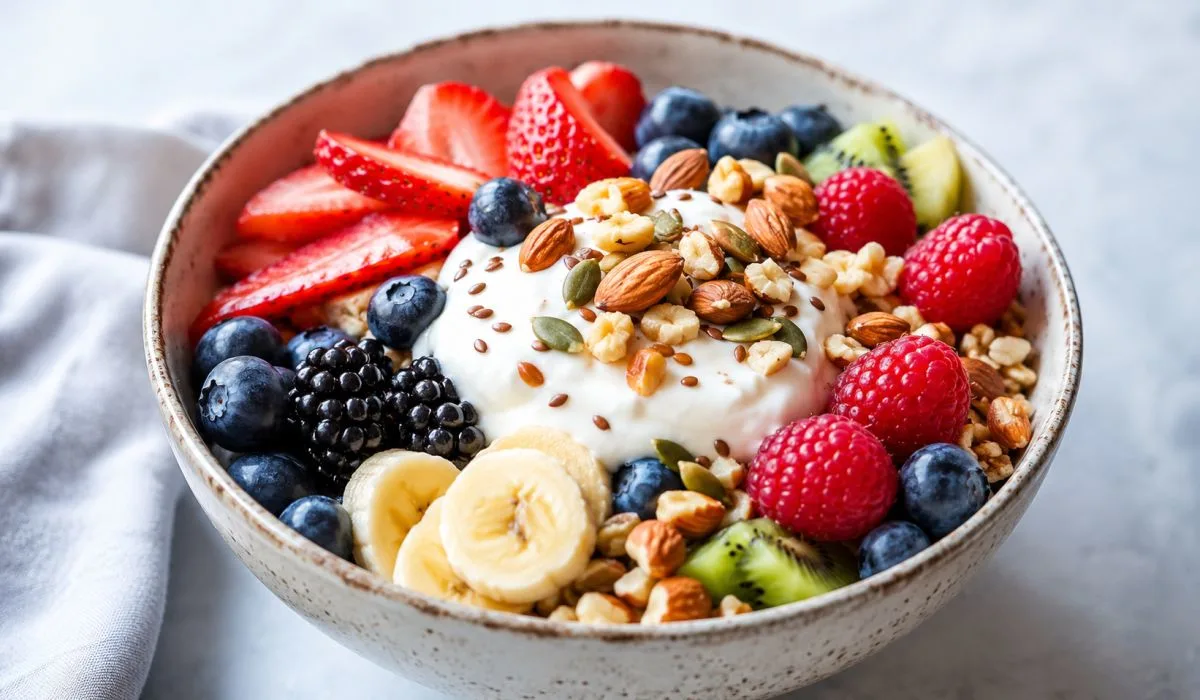
If you are a born snacker, do not give it up for dietary loss. "Some people benefit from pre-packaged portion-controlled snacks. These snacks keep you going between meals, and when you eat them in portion, they help you with weight control," says dietician Helen Bond. Eat satisfying and nutrient-dense snacks: try some almonds, a handful of other nuts, 2 tablespoons of hummus with 3 carrot sticks, or any of your preferred fruit with a small portion of Greek yogurt.
Plant-based options are always healthier
With the popularity of vegetarian and vegan diets skyrocketing, meat substitute foods and plant-based products have taken the shelves of our local supermarket hostage. Though they seem like a healthier option, many contain hidden added sugars, salt and artificial flavouring. Instead, introduce yourself to protein-rich plant-based options such as tofu, tempeh, beans and pulses.
Avoid bananas they’re sugar bombs
Bananas: The low-carb extremists go one step further: saying a single banana is like eating six teaspoons of sugar. It’s true a ripe banana has some natural sugars, but it is low to medium GI – meaning the sugars it releases are quite slow, especially if you have a freshly ripe one. It is also rich in potassium, vitamin B6 and Fibre. The low-carb supporters conveniently forget research like this study from Harvard University (2016) on diet and body weight, which identified that eating a number of fruits including bananas linked to lower weight gain.
FAQ's
1. Carbs make you gain weight.
The Reality: Carbohydrates are your brain and muscles' primary energy source. Weight gain comes from an overall calorie surplus, not carbs specifically. Complex carbs (like oats, quinoa, and sweet potatoes) are packed with fiber that keeps you full and supports gut health.
2. Eating late at night automatically turns food into fat.
The Reality: Your body burns calories the same way at 9 PM as it does at 9 AM. Total daily energy balance matters far more than the time on the clock. Late-night eating usually leads to weight gain simply because people tend to pick high-calorie, ultra-processed snacks when relaxing in front of a screen.
3. Detox teas and cleanses are essential to flush out toxins.
The Reality: Your body already has a high-tech built-in detox system: your liver and kidneys. Detox teas and juice cleanses are unnecessary, usually work as simple laxatives or diuretics, and can strip your body of essential nutrients and electrolytes.
4. Fat-free or low-fat foods are always healthier.
The Reality: When food manufacturers remove fat, they often add extra sugar, salt, and artificial thickeners to keep the food tasting good. Plus, healthy fats (like avocados, nuts, and olive oil) are vital for hormone production and helping your body absorb key vitamins.
5. You need to cut your calories drastically to lose weight fast.
The Reality: Extreme calorie restriction backfires. It triggers a survival response in your body, slowing down your metabolism and causing muscle loss. Once you stop the severe restriction, weight typically comes right back. A modest, sustainable deficit is much safer and easier to maintain.