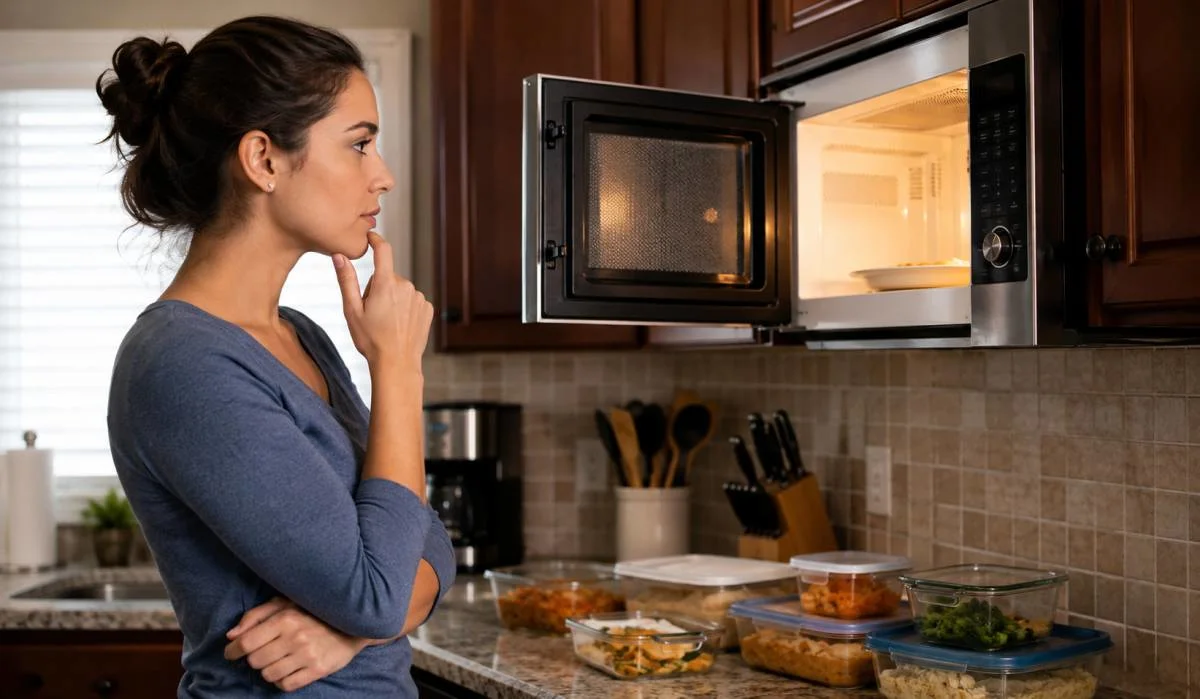
Foods you should never microwave is an important topic for anyone who regularly reheats leftovers or prepares quick meals. Microwaves are convenient and time saving, but some foods do not heat up well in the microwave. Some foods may become loose or watery, some may become dry and rubbery, and some foods may become hazardous.
French fries, breaded items, seafood, bread and grapes can lose flavor and quality if you prepare them incorrectly when reheating. This guide will tell you what you shouldn't reheat in the microwave, why, and how to reheat them the best way to maintain their flavour, texture and nutritional value.
Why Some Foods Should Never Be Microwaved?
While the microwave can be one of the best ways to reheat food, it is not a good option for every type of food. Some food becomes soft or soggy, some food becomes dry, rubbery or unevenly cooked. In some instances, even the nutritional value or safety can be diminished due to microwaving. Learning what foods are not suitable for the microwave oven will help you avoid common kitchen pitfalls, maintain flavour, texture and quality in your food.
Not-so convenient foods
The microwave - that wonder of modern living, helps to throw together any meal in mere seconds. We all love to blast our food in the microwave but there are certain things you really shouldn't pop in there. From chilli peppers to hard-boiled eggs, some foods simply spell disaster when you nuke them in the microwave.
Read More: Which Foods Help Reduce Cholesterol Quickly: Best Guide
French fries
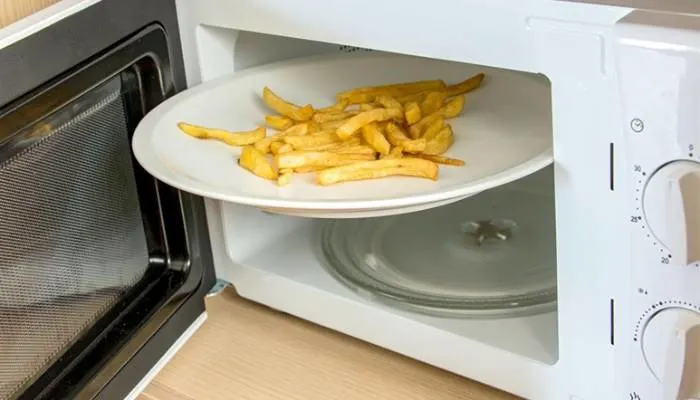
Microwaving French fries remains completely harmless, as long as you prepared them no earlier than yesterday. The only issue with this method is that it essentially diminishes the quality of the dish. You can't find a quicker way to ruin a crispy French fry than by microwaving them for just a few minutes. Instead, be a patient human and reheat those fries in a low-temperature oven for better results.
Breaded or fried food
And if you ask me, breaded or fried food highlights the contrast: the crunch on the outside and the juicy softness of the inside. That's why, if you happen to have chicken tenders or fish fingers from the day before, do not, I repeat, do not throw them in the microwave - unless you hate crispy things. These dishes are best enjoyed warmed in the air fryer or oven.
Pasta
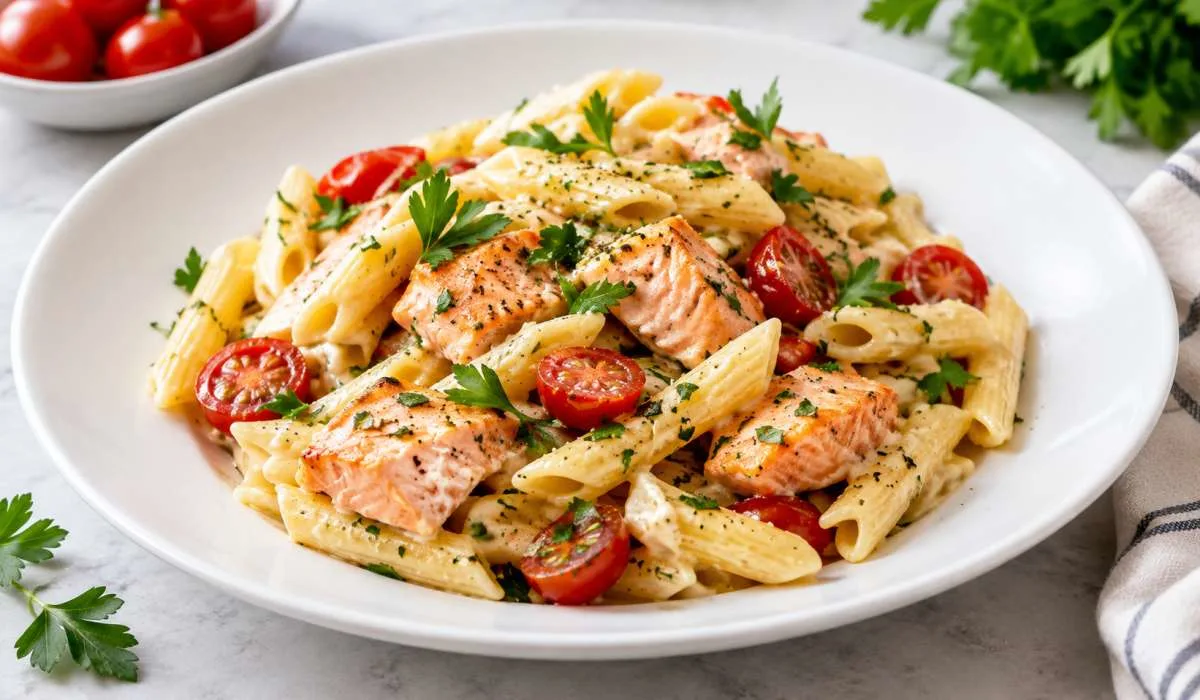
In the fridge, leftover pasta absorbs all the sauce, gets thick and gluey, and then dries out in the microwave to boot. Furthermore, reheating will separate a creamy sauce, making pasta notoriously problematic leftover. The best you can do is return the pasta and sauce to the stovetop and add some liquid. This will be oil and water for tomato sauce and milk/cream for creamy sauces.
Bread
If you've never gotten to experience the divine scent, taste, and texture of warm, freshly baked bread, I encourage you to! And while you may want to replicate this experience with the microwave to reheat your favorite carb, this method can usually leave you with tough, chewy results, because the sugars within the bread soften, then stiffen. You should reheat your bread in the oven for the most success.
Pies
So yeah. Unless you want a soggy crust that caves into the filling of your pie, I strongly advise against microwaving pie. Pie also usually becomes pretty dense and thick, making it hard to get that nice, piping hot temperature throughout, which is why you want to stick to the good old-fashioned oven!
Seafood
So, my chef buddies will often advise you never to microwave seafood! It's too delicate for those intense heats and invariably, you will end up with fish that tastes like rubber and has all the moistness of a desiccated husk of a tree. Reheated seafood tastes great cold in a salad or shoved in a sandwich.
Broccoli
Registered dietitian Amanda Holtzer, speaking to the New York Post, said that foods high in vitamin C (like broccoli, berries and leafy greens) aren't so great in the microwave. Why? Because microwaving destroys vitamin C, removing any health benefit you may have been getting. Holtzer suggests eating these foods raw (or steaming broccoli).
Plastic trays
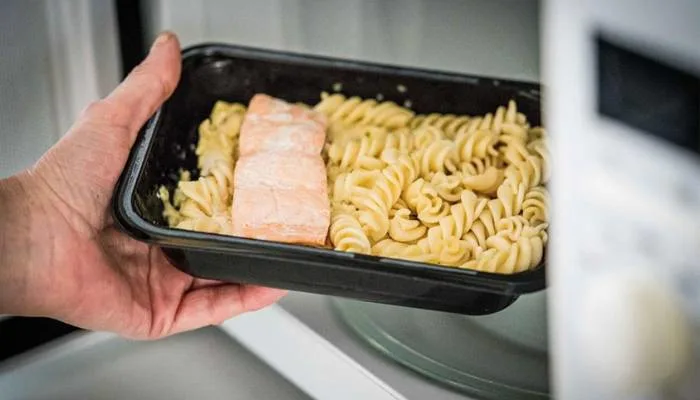
So those convenient microwave dinners and frozen TV trays - or whatever you want to call them - don't ever heat them in the plastic packaging they come in! While experts warn that a chemical can leach out of the plastic into your food and potentially cause issues, you can transfer your food into a ceramic or glass dish.
Grapes
I don't know about you, but why would anyone want to microwave grapes in the first place? Anyway, if that question has crossed your mind, one good reason not to do it: microwaving grapes can cause them to explode. Don't experiment with this at home, but a viral video from 2011 shows that a grape cut in half (and split open like a book) will explode in the microwave. There's science behind it but, long story short, just enjoy your grapes straight out of the fridge.
Frozen meat
Most of us are already familiar with the best way to thaw frozen meat, i.e. putting it in the fridge overnight. For days you're on the clock and need the frozen protein defrosted ASAP, a microwave might be a strong option. I suggest you push the defrost button, not the button to nuke your frozen chicken breasts, because a microwave will only partially defrost the meat and result in chewy, rubbery exterior.
You May Also Read: Brilliant Hacks For Perfect Nachos At Home
Cooked chicken
Go right ahead and zap that cooked chicken in the microwave, just be aware that taste takes a hit. The fat on the chicken will have oxidized in the fridge and will siphon all moisture out when that hot air from the microwave hits it, rendering the chicken tough. Instead of microwaving your leftover chicken, enjoy it chilled in a salad or a sandwich.
FAQs
1. Which foods should not be heated in the microwave?
Generally do not microwave foods like French fries, breaded foods, bread, seafood, grapes, pies, broccoli, cooked pasta, or food in plastic trays as they lose texture, nutrients, or may pose safety risks.
2. Why do french fries start to get soggy in the microwave?
When a microwave cooks fries, it will add moisture and not restore crispness, producing chewy fries. They taste really amazing when reheated in the oven or air fryer.
3. Is it safe to microwave frozen meat?
Yes, but on the defrost mode of the microwave. When you thaw frozen meat in the microwave, it may thaw unevenly which can cause it to become rubbery.
4. Why is it not advisable to heat food in plastic trays?
High-heat cooking can cause chemicals to leach from some plastic food containers. Glass or ceramic containers are safer to move food to for microwaving.
5. What is the best way to heat up leftovers other than in the microwave?
Oven, air fryer or a stovetop are generally the best methods to bring leftovers to a boil again since they keep the texture, flavour and quality of food intact much better than a microwave.