You're traveling through Tuscany, surrounded by vineyards and rolling hills. The food smells unreal, but when you get home, how do you actually make these dishes? It's more than pasta or red wine. It's about learning how to cook like the localsand doing it fast. If you ever wished you could nail a real Tuscan meal without spending years in the kitchen, you're reading the right guide.
What Actually Happens in a Tuscan Cooking Class?
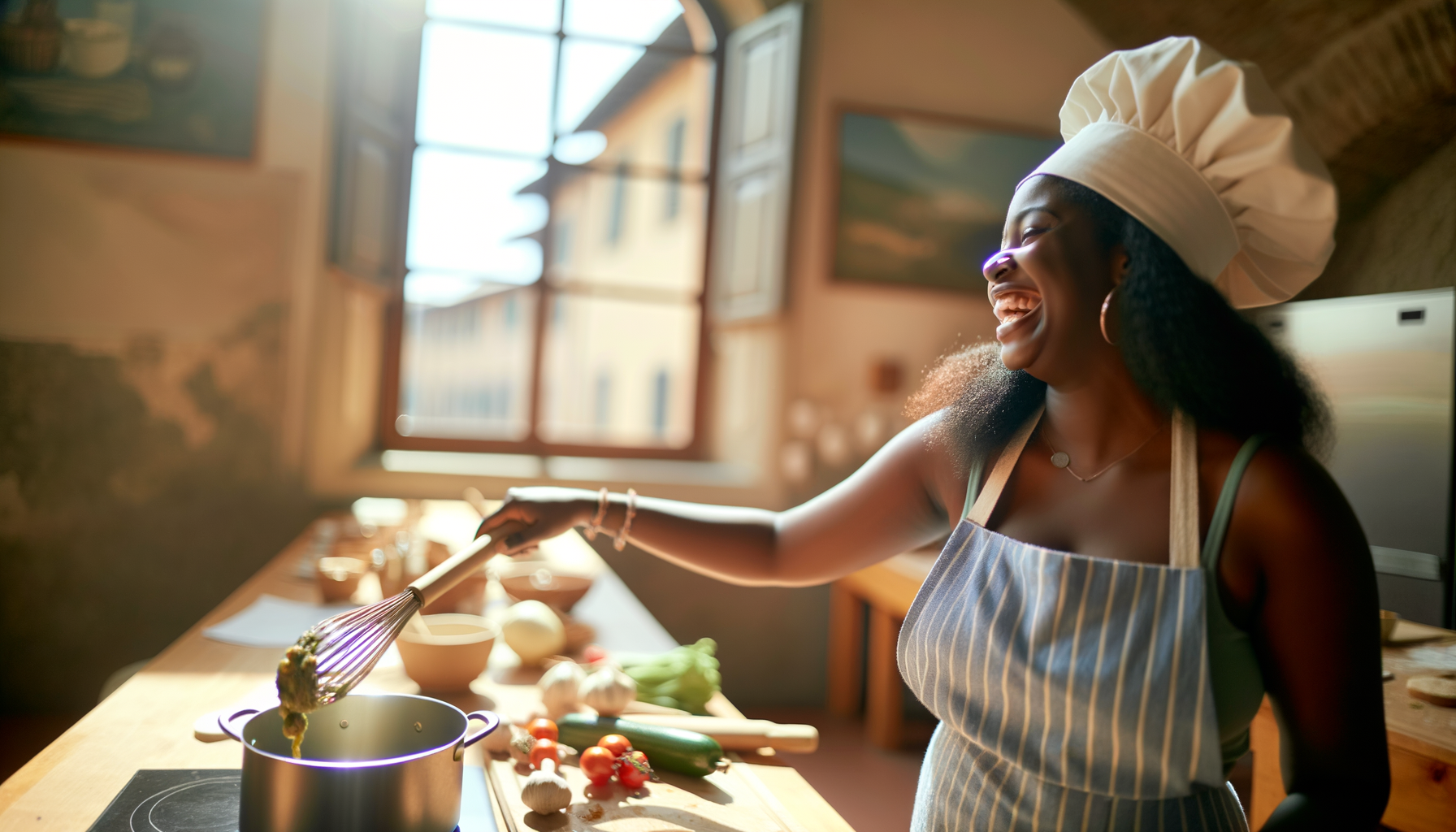
Think of a Tuscan cooking class like hands-on learning with a friend who grew up stirring ragł before homework. It's not about reciting recipes. Its rolling up your sleeves, asking questions, and tasting constantly. You meet instructors who are passionate and a bit fussy (in a good way). Theyll show you the right way to chop garlic or knead dough for fresh pasta. Everyone messes upone time, I put salt instead of sugar in cantucci. Didnt matter. We laughed it off and started over.
- Prepping fresh ingredients (from local markets, not supermarkets)
- Learning iconic dishes like ribollita, pappa al pomodoro, or handmade pici
- Cooking as a teamstrangers become friends fast over a hot stove
- Eating together, family stylenobody leaves hungry
The best part? You dont just cook, you learn why these recipes matter to locals. You see how seasons shape whats on the table. It's equal parts food and culture.
Which Tuscan Recipes Will You Learn (and Can You Really Master Them?)
People hear "Tuscan cuisine" and think it's all steak and wine, but there's so much more. In most Tuscany food workshops, you'll focus on four or five dishes that are simple on the surface, but packed with flavor. Expect recipes like:
- Panzanella - Bread salad that actually tastes like summer
- Pappa al Pomodoro - Tomato and bread soup, great for using leftovers
- Fresh handmade pasta - Pici or tagliatelle done by hand
- Schiacciata - Flatbread locals fight over at the market
- Cantucci - Crunchy, dippable cookies for the end
Can you master these in two days? Totally. What surprises most people is how forgiving Tuscan recipes are if you start with good ingredients and trust your senses. Sure, your first pasta wont look perfect, but itll taste incredible. Thats what matters.
What Makes Traditional Tuscan Cuisine Special?
Traditional Tuscan cuisine doesnt go in for fancy sauces or rare spices. It sticks to whats fresh and simplesometimes, three or four things on a plate. Youll taste olive oil pressed days before, tomatoes that are actually sweet, and bread with no salt (yes, its on purpose). The reason for this? Tuscany was mostly countryside, so people learned to work with what they had. Every dish tells a story about making the most out of humble ingredients.
Why does all this matter?
If you want to cook Italian food that actually tastes like Italy, you need to learn how to pick flavors and balance them. Thats the secret. Most of us are used to bottled sauces and shortcuts, but a good Tuscan cooking class gives you the confidence to try new things (and mess upbecause real learning is messy).
How Do You Get the Most Out of a Short Tuscany Food Workshop?
Two days isnt much time, but if you focus, youll leave with skills youll use forever. Heres what helps:
- Ask tons of questionsabout ingredients, timing, or why a recipe matters
- Write things down (your brain will not remember every detail when the smells hit)
- Taste as you cookTuscan instructors love when you do this
- Dont be scared to mess up. Youre in good company
Bring a notebook, take pictures, and if your gnocchi floats instead of sinkscelebrate. That means you nailed it.
How Can You Bring Tuscan Cooking Home (Even Without a Tuscan Kitchen)?
So, you finish your Italian cooking lessons and fly home. Now what? Heres what helps make traditional Tuscan cuisine part of your regular routine, even in a tiny apartment:
- Find a good Italian market at homefresh produce makes everything taste closer to Tuscany
- Dont stress about exact recipes. Use what you have. Tuscan food is about adapting
- Keep it simple. Most classic dishes use a short list of ingredients
- Invite people over and eat together. Thats half the fun
I tried making ribollita in a New York kitchen once with whatever veggies I could find. Did it taste exactly like Florence? No. But it brought back everything I learned. Cooking Tuscan is about sharingeven if your table is tiny.
What Mistakes Do Most People Make With Tuscan Recipes?
Perfection kills the vibe. People stress over details, but Tuscan cooking is about trusting your senses. Dont chase picture-perfect plates. Here are some common pitfalls:
- Using cheap olive oilthis actually changes the whole taste
- Forgetting to season as you go (not just at the end)
- Trying to cook too many dishes at oncefocus on one, then branch out
- Missing the "rest time" for soups or stewsflavors need time
If your breads too hard for panzanella, let it soak longer. If your pasta dough looks rough, that's normal on your first try. Eat what you made, learn, and try again. Nobody in Tuscany expects you to be perfect.
Frequently Asked Questions About Learning Tuscan Cooking
- Q: Can I really learn traditional Tuscan cuisine in just two days?
A: Yes, you can. In two days, you'll pick up the basics and get hands-on experience with the most important recipes. The secret is practice, not perfection. With simple steps, fresh ingredients, and the right attitude, you'll make real progress. You wont be a master chef yet, but youll cook meals that make you proud. - Q: What if I mess up during the class?
A: Messing up is totally normal and nobody cares. Tuscan instructors expect it and help you fix things. Thats how you learn! The best stories come from recipes that didnt go as planned. Every mistake teaches you something youll remember for the next time. - Q: Do I need expensive kitchen tools to make Tuscan recipes at home?
A: No fancy gear required. Most traditional recipes use basic tools: a big pot, a sharp knife, and a board to roll dough. The magics in how you combine good ingredients. If you want to make pasta often, a rolling pin helps. But you dont need a big mixer or anything special. - Q: What are the must-try dishes during Italian cooking lessons?
A: Try panzanella, ribollita, hand-rolled pasta like pici, and cantucci cookies. These are classic for a reasonthey show off real Tuscan flavors without being complicated. Each dish teaches a kitchen skill thats useful for lots of recipes later on. - Q: How can I keep learning after the Tuscany food workshop ends?
A: Keep practicing at home and stay curious. Follow Tuscan chefs online, watch cooking videos, and try new twists on recipes you learned. Cooking is about enjoying the process, not just the meal. Invite friends to join and keep sharing what you cook. - Q: Can kids join a Tuscan cooking class?
A: Absolutely. Many classes are kid-friendly and welcome young cooks. The recipes are simple, hands-on, and fun. Kids love making dough or shaping cookies. Plus, Tuscan culture is all about sharing food with family of all ages.
You have everything you need to start cooking Tuscan food at home. Pick one classic recipe, set the table, and dont worry about perfection. The memories (and good meals) will last way longer than two days.