

Navratri is almost here. Nine days of devotion, Nine days of fasting, Nine days of delicious vrat food. Many people think fasting means boring food. They think it means eating the same thing every day. That is not true vrat food can be tasty. It can be filling, It can be different every day.
I have been cooking traditional Navratri vrat food recipes for years. I learned from my mother. She learned from hers. I will share my favourite recipes with you. Simple. Tasty. Perfect for the nine days. No onion. No garlic. Just sattvic food. Let me tell you everything.
Traditional Navratri Vrat Food Recipes
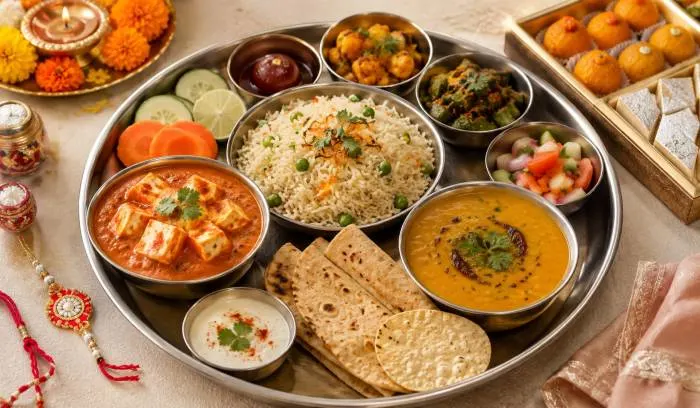
This is my basic collection. All these recipes are traditional. They are pure vegetarian. No onion. No garlic. No regular grains. Just sattvic food.
Sabudana Khichdi
This is the classic. It is the first thing everyone thinks of during Navratri. Soak sabudana for four to five hours. Drain well. Heat ghee in a pan. Add cumin seeds. Add green chillies. Add boiled potato cubes. Roast them. Add the sabudana. Add crushed roasted peanuts. Add rock salt. Stir gently. Cook till the pearls become translucent. Finish with lemon juice and coriander. It is light. It is filling. It is perfect for breakfast.
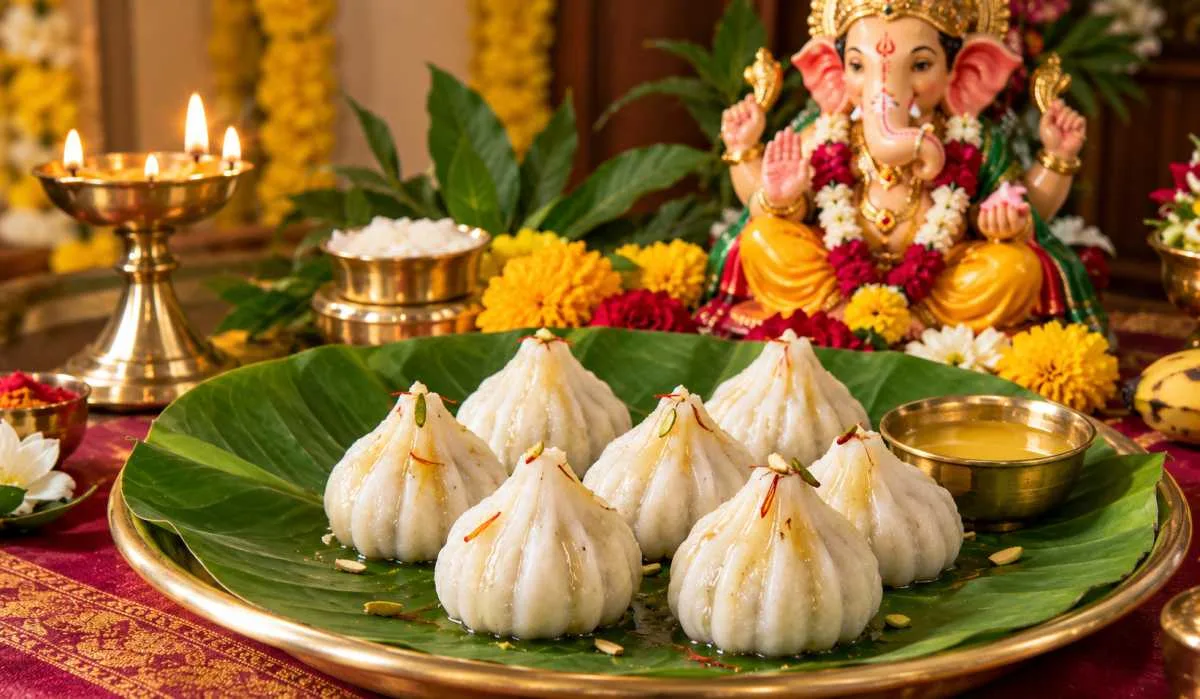
Read More: Ukadiche Modak Recipe for Ganesh Chaturthi: Easy Traditional Recipe
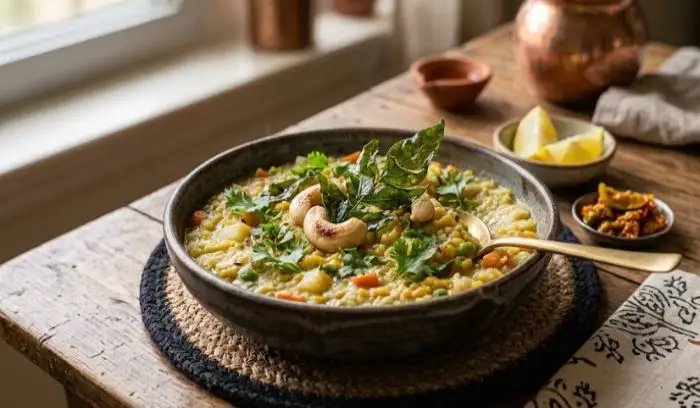
Sama Rice Khichdi
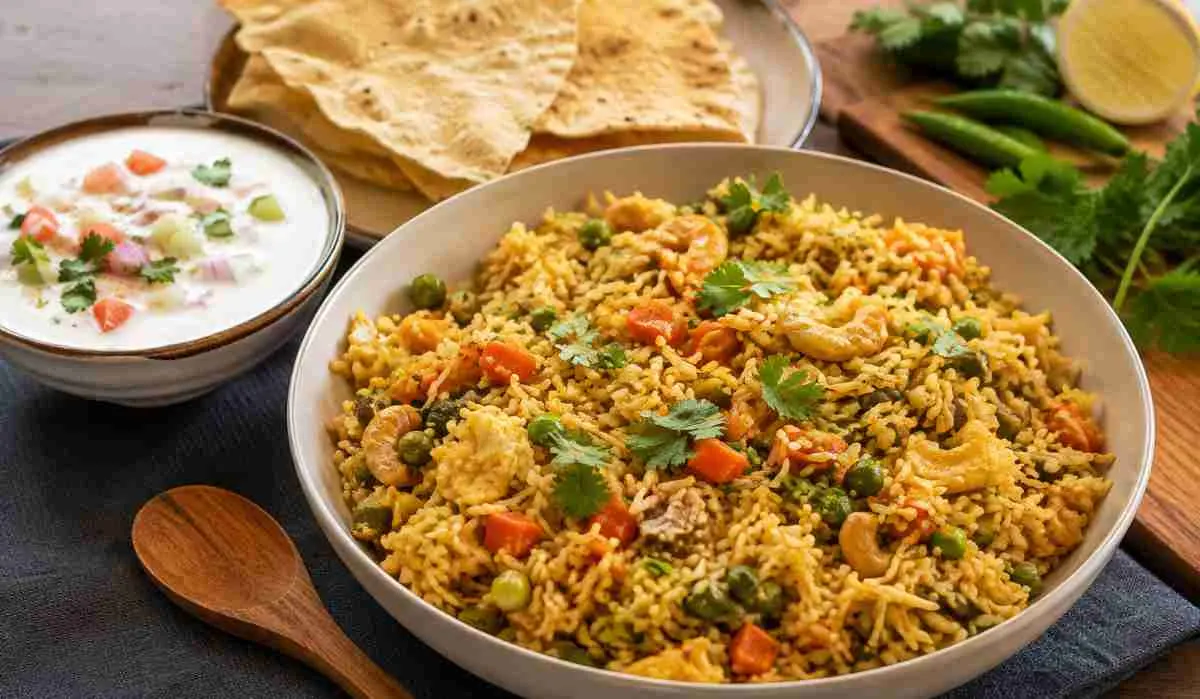
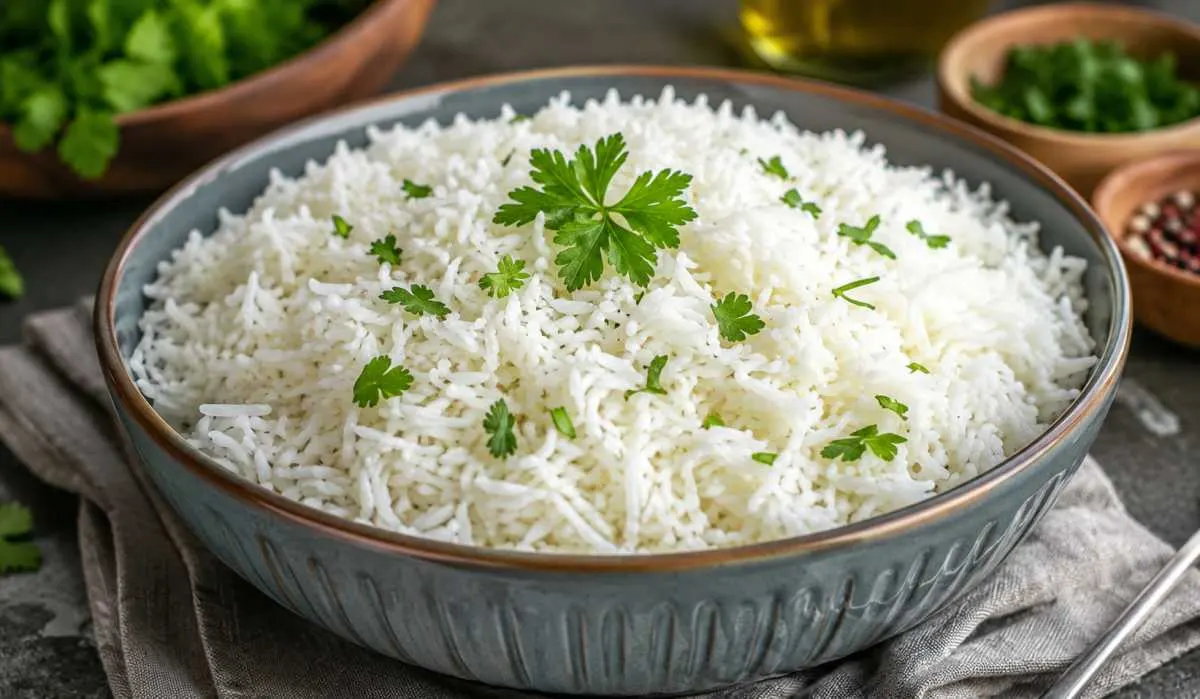
Sama rice is also called barnyard millet. It is not regular rice. Soak it for thirty minutes. Heat ghee. Add cumin. Add ginger. Add green chilli. Add diced potato. Add the drained sama rice. Add water. Add rock salt. Cover and cook till soft. It is like a porridge. It is easy on the stomach. Serve with curd. It is a complete meal.
Kuttu Ki Puri
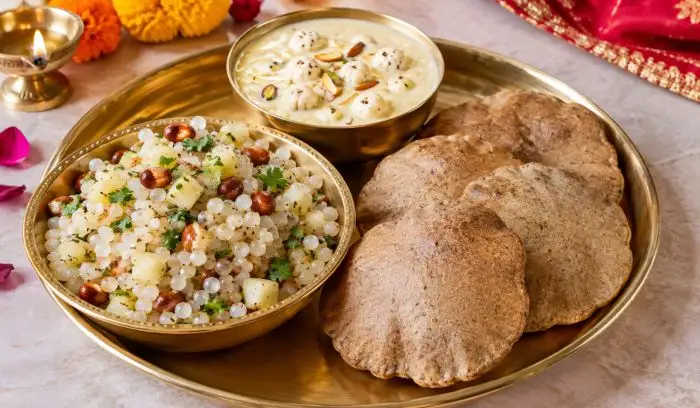
Kuttu atta is buckwheat flour. Mix it with mashed boiled potato. Add rock salt. Knead into a dough. Rest for ten minutes. Roll small puris. Fry in hot ghee. They puff up. They become golden. Serve with aloo sabzi. Or with curd. They are crisp. They are tasty.
Rajgira Paratha
Rajgira flour is amaranth flour. It is gluten-free. It is full of nutrients. Mix it with hot water. Add rock salt. Knead gently. The dough is delicate. Pat it out with your hands. Cook on a hot tawa. Brush with ghee. Serve with curd. Or with pumpkin sabzi. It is soft. It is satisfying.
Vrat Wale Aloo
This is simple. Boil potatoes. Peel them. Cut into cubes. Heat ghee. Add cumin seeds. Add green chillies. Add the potatoes. Add rock salt. Add black pepper. Toss well. Cook till the edges become golden. It pairs with kuttu puri. Or with rajgira roti. It is comforting. It is easy.
Lauki Raita
Take bottle gourd. Grate it. Squeeze out the water. Add to thick curd. Add rock salt. Add roasted cumin powder. Add fresh coriander. Mix well. It is cooling. It is refreshing. It balances the fried food.
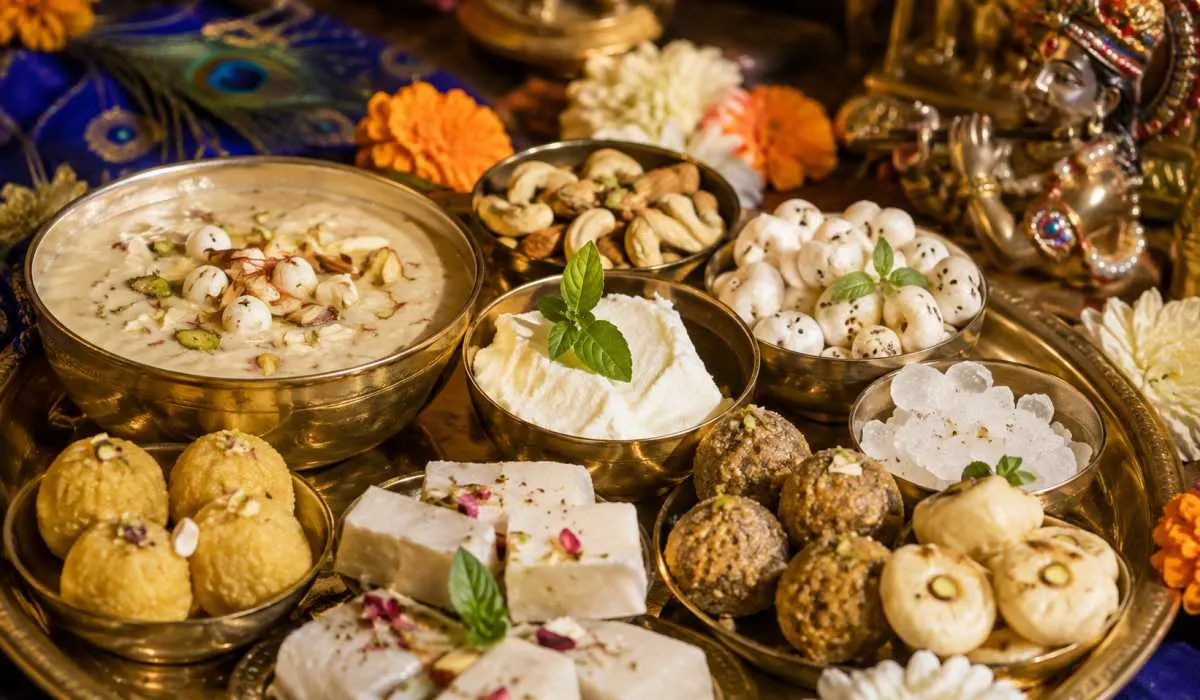
Makhana Kheer
This is the sweet dish. Roast makhana in ghee. Crush half of them. Boil milk. Add the crushed makhana. Add whole makhana. Add sugar or jaggery. Add cardamom. Add saffron. Add chopped nuts. Simmer till thick. It is creamy. It is rich. It is the perfect end to a vrat meal.
These are my traditional Navratri vrat food recipes. All are simple. All are tasty. All are perfect for the nine days.
Navratri Recipes For 9 Days
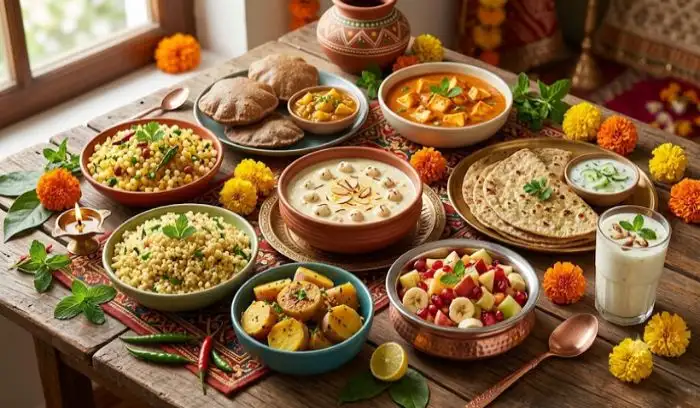
Planning for nine days is hard. Here is my simple plan. One recipe for each day. No repetition. No boredom.
Day 1. Sabudana Khichdi
Start with the classic. It is easy. It is light. It is perfect for the first day.
Day 2. Vrat Aloo Jeera
Simple potato sabzi. Cumin. Green chilli. Rock salt. Pair with kuttu roti.
Day 3. Sama Rice Pulao
One pot meal. Sama rice. Vegetables. Peanuts. Mild spices. Feels like a proper meal.
Day 4. Kuttu Atta Puri
Crispy puris. Serve with aloo sabzi. Or with curd. It feels festive.
Day 5. Rajgira Paratha
Soft parathas. Serve with pumpkin sabzi. Or with lauki raita. It is wholesome.
Day 6. Lauki Chilla
Grated bottle gourd. Mixed with kuttu flour. Cooked like a pancake. Light and easy to digest.
Day 7. Sweet Potato Chaat
Boiled sweet potato. Lemon. Rock salt. Green chilli. Pomegranate. It is fresh. It is tangy.
Day 8. Samak Rice Khichdi
Soft khichdi. Serve with curd. And a vegetable side. It is comforting.
Day 9. Halwa Puri
End with a feast. Singhara halwa. And puri. It is the last day. Celebrate.
This plan works. You change the base every day. Sabudana. Kuttu. Sama. Singhara. Rajgira. Each one tastes different. Each one feels new. So you do not get bored.
Traditional Navratri Vrat Food Recipes Indian
Indian vrat food is special. It is not just about avoiding grains. It is about using the right ingredients. It is about cooking with devotion.
The ingredients we use:
Sabudana. Tapioca pearls. Sama rice. Barnyard millet. Kuttu atta. Buckwheat flour. Singhara atta. Water chestnut flour. Rajgira atta. Amaranth flour. Makhana. Fox nuts. Peanuts. Potatoes. Sweet potatoes. Lauki. Pumpkin. Curd. Paneer. Milk. Sendha namak. Rock salt. Cumin. Ginger. Green chilli. Lemon. Coriander.
The ingredients we avoid:
Onion. Garlic. Regular rice. Wheat flour. Gram flour. Toor dal. Moong dal. Chana dal. Regular salt. Any grain that is not allowed. Any spice that is not sattvic.
Why we avoid them:
Onion and garlic are considered rajasic. They excite the mind. They are not good for meditation. Regular grains are heavy. They are hard to digest. Regular salt has additives. Rock salt is pure.
What makes it Indian:
The spices. Cumin. Ginger. Green chilli. The cooking methods. Tempering. Steaming. Shallow frying. The flavours. Tangy. Spicy. Sweet. All balanced.
This is traditional Navratri vrat food recipes indian. It is not just food. It is a way of life. It is a way of devotion.
You May Also Read: Janmashtami Food Recipes: Traditional Bhog and Vrat Dishes
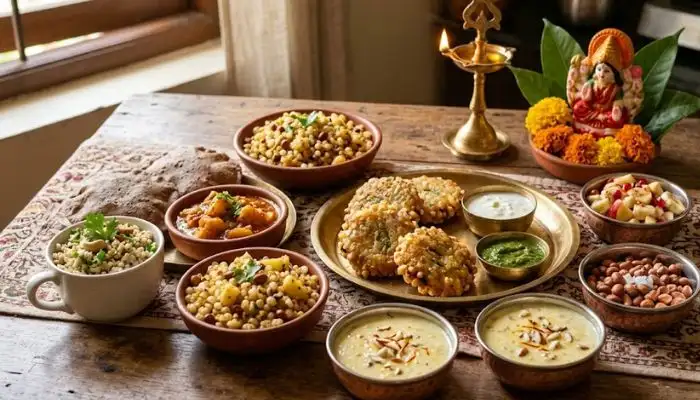
Navratri Food List
Let me give you the full list. This is what you need for the nine days.
Grains and Flours:
- Sabudana. Tapioca pearls.
- Sama rice. Barnyard millet.
- Kuttu atta. Buckwheat flour.
- Singhara atta. Water chestnut flour.
- Rajgira atta. Amaranth flour.
Vegetables:
- Potatoes.
- Sweet potatoes.
- Lauki. Bottle gourd.
- Pumpkin.
- Cucumber.
- Tomato. Some people use it. Some do not.
- Carrot. Some people use it. Some do not.
Dairy:
- Curd.
- Paneer.
- Milk.
- Ghee.
Nuts and Seeds:
- Peanuts.
- Makhana.
- Almonds.
- Cashews.
- Raisins.
- Chironji.
Spices:
- Sendha namak. Rock salt.
- Cumin seeds.
- Ginger.
- Green chilli.
- Black pepper.
- Cardamom.
- Cloves.
- Cinnamon.
Fruits:
- Bananas.
- Apples.
- Pomegranate.
- Coconut.
- Lemon.
Sweeteners:
- Sugar.
- Jaggery.
- Honey.
This is my Navratri food list. Buy everything before Navratri starts. So you are ready. No last minute stress.
My Mistakes
I have made mistakes. I will share them. So you do not make them.
- Mistake one. Not soaking sabudana enough. The pearls were hard. They did not cook properly. Now I soak for four to five hours. At least. Sometimes overnight.
- Mistake two. Not draining the sabudana well. The khichdi became sticky. It became lumpy. Now I drain it completely. Spread it on a plate. Let it dry a bit.
- Mistake three. Overcooking the sama rice. It became mushy. It became like porridge. Now I cook it just till soft. Not more.
- Mistake four. Making kuttu dough too tight. The puris became hard. They did not puff. Now I keep the dough soft. I add mashed potato. It helps.
- Mistake five. Adding too much water to rajgira dough. It became sticky. It was hard to roll. Now I add water little by little. The dough should be soft but not sticky.
- Mistake six. Not using rock salt. I used regular salt once. It was not proper for vrat. Now I always use sendha namak. It is the right thing.
- Mistake seven. Frying too much. Everything was deep fried. I felt heavy. I felt tired. Now I balance it. Some fried. Some roasted. Some steamed.
Tips For Navratri Fasting
Here are my tips. Learned over many years.
- Plan ahead. Buy all your vrat ingredients before Navratri starts. Sabudana. Kuttu atta. Singhara atta. Rajgira. Sama rice. Makhana. Peanuts. Potatoes. Sweet potatoes. Curd. Sendha namak.
- Rotate your grains. Do not eat the same flour every day. Use sabudana one day. Kuttu the next. Sama the next. Singhara after that. It keeps things interesting.
- Add protein. Peanuts. Makhana. Paneer. Curd. Nuts. These keep you full. They give energy. Do not eat only carbs.
- Add fibre. Lauki. Pumpkin. Sweet potato. Cucumber. These add fibre. They help digestion. They keep you full.
- Drink water. Coconut water. Buttermilk. Lemon water. Stay hydrated. Fasting can make you dehydrated.
- Do not over-fry. Fried food is tasty. But it makes you heavy. Balance it with roasted and steamed dishes.
- Listen to your body. If you feel weak, eat something. If you feel dizzy, rest. Fasting is for devotion. Not for harming yourself.
A Little Story
I remember Navratri from my childhood. My mother would fast for all nine days. She would wake up early. She would do puja. Then she would cook.
- The kitchen smelled of ghee. Of cumin. Of cardamom. She made sabudana khichdi. She made makhana kheer. She made kuttu puris. Everything was fresh. Everything was made with love.
- I would help her. I would soak the sabudana. I would crush the peanuts. I would roll the puris. She would tell me stories about the goddess. About devotion. About strength.
- Now I fast for Navratri. I cook for my family. My daughter helps me. She soaks the sabudana. She crushes the peanuts. She learns the traditions. She learns the love.
- Navratri is about devotion. But it is also about family. About food. About memories. The vrat recipes are just a way of showing that love.
One Last Thing
Navratri is a special time. It is about devotion. It is about discipline. It is about family. The food is part of it. The vrat recipes are part of it. They are not a burden. They are a blessing. They are a way to show your love.
Make them with patience. Make them with care. Make them with devotion. Your family will taste the love. They will feel the blessings. Happy Navratri to you and your family. May the goddess bless you with health with happiness and with peace.
Common Questions
1. What can I eat during Navratri vrat?
Sabudana. That is the main one. Sama rice also. Kuttu atta. Singhara atta. Rajgira. Potatoes. Sweet potatoes. Makhana. Peanuts. Curd. Paneer. Milk. And sendha namak. Not regular salt. My mother never used onion or garlic either. So we just did not have them. Simple.
2. Can I eat rice during Navratri fast?
No. Not regular rice. But sama rice is fine. It is not actually rice. It is a millet. But it looks like rice. My daughter calls it fake rice. She eats it happily. So that works.
3. How do I keep my energy up during fasting?
Eat peanuts. And makhana. And paneer if you have it. I learned this the hard way. One year I ate only puris. By evening I was dizzy. My mother made me drink buttermilk. Then I felt better. So now I always keep protein ready.
4. Can I make vrat recipes without deep frying?
Yes. I air fry the vadas now. My mother did not have an air fryer. She fried everything. But times have changed. I roast makhana in a pan. I shallow fry tikkis. It works. Tastes good too.
5. How do I plan nine days of Navratri meals?
I do not plan much honestly. I just rotate. Sabudana one day. Kuttu the next. Then sama. Then singhara. Then rajgira. Then back to sabudana. It works. No one complains. My husband does not even notice.
6. Can I eat onions and garlic during Navratri?
No. We do not eat them. My mother never did. So I never learned to cook with them during vrat. Use hing. That is what we use. And ginger. And green chilli. That is enough.
7. What sweets can I make for Navratri?
Makhana kheer is the best. My daughter asks for it every day. Singhare ka halwa also. But that takes time. So I make it only on the last day. Rajgira laddoo is quick. I make those when I am tired.
8. Can I drink tea or coffee during Navratri fast?
We do not. My mother did not. So we just do not. We drink lemon water or buttermilk. Sometimes herbal tea but not regular tea. Not coffee. It is just how we do it other families do differently that is fine too.