Why Travel for Food? The Magic of Tuscany Culinary Hotels with Cooking Classes
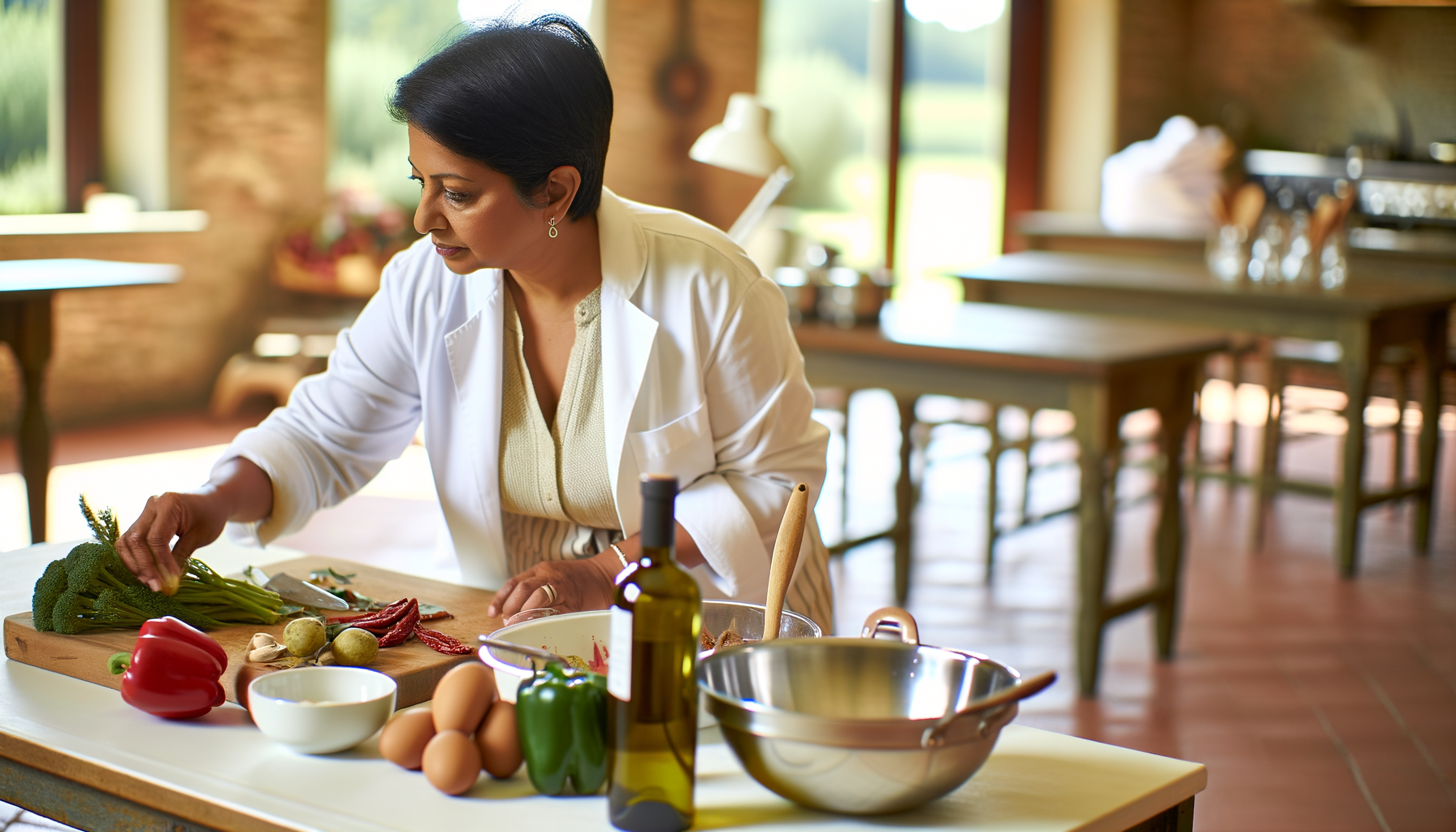
There's eating good food. Then there's making it with your own hands, surrounded by rolling Tuscan hills. That's what Tuscany culinary hotels with cooking classes deliver. You don't just watch plates arrive at the tableyou learn how to create them, right next to locals who've done it their whole lives. Is it a little intimidating? Sure, at first. But for food lovers who crave more than a restaurant meal, this experience sticks with you forever.
What Makes These Tuscany Cooking Hotels Stand Out?
Cooking hotels in Tuscany aren't your standard stay. Instead, they're part school, part farmhouse, and all heart. You'll wake up to views of ancient vineyards. Breakfast is fresh bread, eggs, and maybe a slab of pecorino cheese. Later, out comes flour, olive oil, and a chef who insists you get your hands dirty.
- Personal lessons from Italian chefs (they joke, they tease, you laugh a lot)
- Daily access to top-quality local ingredientsthink tomatoes warm from the sun
- Meals you made yourself (and yes, wine flows freely)
- Hands-on workshopsnot stuffy lectures
- Private or small group classes, so you never feel lost
Why does this matter? You'll walk away with more than recipes. You'll bring home stories, muscle memory, and a feel for real Tuscan culture.
Who Should Book a Culinary Retreat in Tuscany?
If the thought of 'culinary retreat in Tuscany' sounds fancy, relax. These spots are for everyone, from total beginners to folks who could host their own food show. All you need is curiosity and an appetite.
- Travelers who want something different than a typical hotel stay
- People traveling solo who love meeting others
- Friends or families looking for a unique bonding trip
- Couples chasing romancewhat's sexier than making pasta together?
- Anyone hunting for that real 'nonna's kitchen' vibe
The only rule? Show up hungry to learn. And hungry to eat.
How Do Cooking Classes in Tuscany Hotels Usually Work?
You don't need to speak perfect Italian. Smiles, gestures, and a few words of English (or lots of miming) get you through.
- Most classes last 2-4 hourslong enough to master a dish, never boring
- You'll prep local classics: think fresh pici pasta, ragů, or tiramisu
- Kids and picky eaters? Most hotels can tweak menus for you
- Every hotel has their own specialties (some focus on truffles, others on pizza)
- Often, you eat what you cook with your class, sharing stories over a long table
What's tricky? Flour gets everywhere. You'll laugh at your gnocchi shapes. That's half the fun. Don't stressit's not about being perfect.
What Are the Top Perks of Food and Wine Hotels in Tuscany?
If you love wine as much as food, welcome home. Tuscany's food and wine hotels are legendary for pairing both. Instead of picking from a menu, you'll walk the fields, taste the grapes, and sometimes help press the olives or grapes for yourself.
- Expert-led wine tastings in hidden cellars
- Cheese making in tiny village dairies
- Exploring olive groves or truffle hunts, boots and all
- Seasonal feasts from whatever's fresh off the farm
It's a chance to slow down, chat with locals, and let your senses go a little wild.
Can You Really Learn to Cook Like a Local?
You won't leave Tuscany as a Michelin chef. But you will get faster, braver, and more confident. The first time you roll out pasta, it's lumpy. By dinner, it's almost Instagram-ready. Locals love it when you mess upthey'll tease you, maybe show you again. It's relaxed, forgiving, and way more fun than any cooking show pressure.
Common Mistakes (and Why They're Secretly Awesome)
- Burning the garlic? Join the club.
- Forgetting how to say 'basilico'? They'll teach you, again.
- Pouring too much Chianti in the sauce (and your glass)? It happens.
The truth? Perfection doesn't taste as good as meals you laughed your way through making.
Tips for Picking the Right Culinary Hotel in Tuscany
- Decide if you want a remote country feel or something closer to a town
- Check if the hotel offers all-level classes (some are for true beginners, some are advanced)
- Look for spots with easy cancellation (in case your plans shift)
- Ask about the max size for classesyou'll want small groups for the best experience
- See if they offer extras: truffle hunts, market visits, wine tours
Trust your gut. If a place feels too fancy or rushed for what you want, keep looking. That perfect mix of comfort, charm, and warmth is out there.
Real Stories: What Surprised Other Travelers
- Authentic family recipes you won't find in cookbooks
- Unexpected friendships formed during flour fights
- Describing flavors you've never tasted beforeearthy, sweet, grassy
- Realizing you don't need tons of fancy tools, just heart and ingredients
Most guests say they leave not just loving Tuscan food, but understanding it. There's a differenceand you'll feel it.
How Much Do Tuscan Culinary Experiences Cost?
Prices run the gamut. Some boutique hotels include classes in the nightly rate; others charge per class. Expect to pay a little more than a regular hotel, but the extras are huge.
- Basic group classes: usually between 70150 euros per person
- Private classes: 150300 euros, depending on exclusivity
- Full culinary retreats (several days): 10002500 euros, often all-inclusive
It's not the cheapest way to see Italy, but for what you getskill, food, wine, experience, and storiesit's worth it.
Is There a Best Time of Year for a Culinary Retreat in Tuscany?
- Spring (April-June): wild asparagus, green fields, lighter crowds
- Early summer: ripe tomatoes and cherries
- Fall (September-October): grape harvest, truffle season, warm days but cool evenings
- Winter: heartier stews, chestnuts, quieter villages
No season is bad, but spring and fall offer the best mix for most peoplegood weather, seasonal ingredients, and room in the kitchen to breathe.
Ready to Book? What to Pack for Your Tuscan Food Adventure
- Comfortable clothes (expect flour spills, sauce splats)
- Sturdy shoes for farm walks or market trips
- Notebook for recipes and chef secrets
- Big appetite (and stretchy pants)
- Patience and a sense of humor
You'll go home with souvenirs you can't packnew friends, new skills, and a new way to think about food.
FAQs: Tuscany Culinary Hotels with Cooking Classes
- Q: Do I need to know how to cook before joining a cooking class in a Tuscan hotel?
A: Not at all. Most classes are made for all levels. You might make mistakes, but that's half the fun. The chefs walk you through every step and cheer you on. - Q: What types of dishes do you usually learn at these culinary retreats in Tuscany?
A: Expect classics like handmade pasta, hearty stews, tiramisu, and maybe pizza. Some hotels let you pick, while others focus on local specialties or whats in season. - Q: Are food and wine hotels in Tuscany family-friendly?
A: Many are. Some offer kid-friendly sessions or special menus. Always ask ahead so you can find the perfect place for your crew. - Q: Will I get to explore the area or just stay in the kitchen?
A: Both! Most Tuscany cooking hotels plan trips to local markets, wineries, or farms. So you get to see, taste, and experience the region beyond the stove. - Q: What if I have dietary restrictions?
A: Tell the hotel before you arrive. Many are happy to adjust recipes for gluten-free, vegetarian, or allergies. They want everyone to enjoy the foodand the fun. - Q: How do I book a Tuscan culinary experience for a special event (like a birthday or anniversary)?
A: Most places love helping you celebrate. Let them know it's a special eventthey might suggest private classes, custom menus, or a surprise cake from the chef.
So if you're hungry for more than a postcard view, pack your bagsand your curiosity. Tuscany's culinary hotels with cooking classes are ready for you. At the end of your trip, the best souvenir might be a recipe scribbled down in a flour-dusted notebook and the smile you can't shake off every time you smell simmering tomatoes back home.