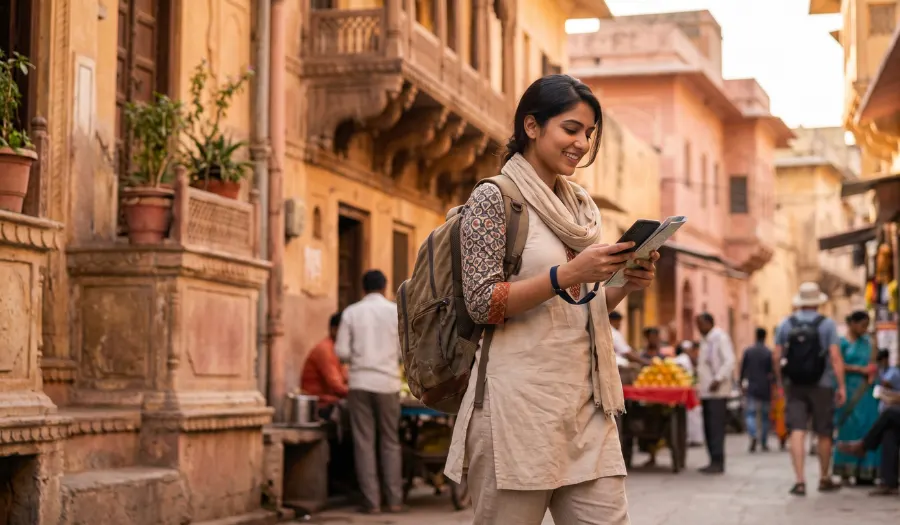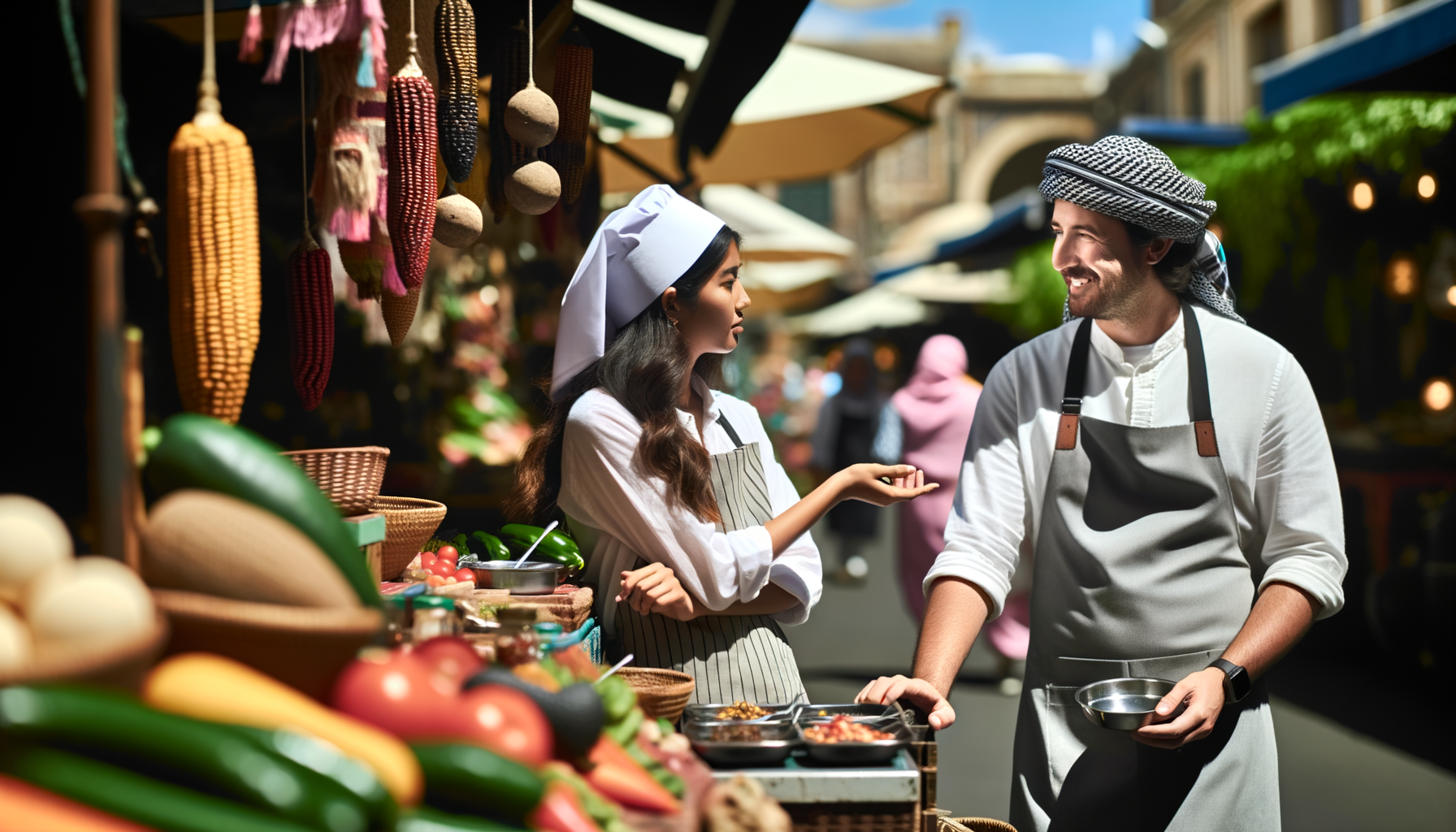
You know that feeling when you're drooling over a plate of pasta and wondering why your own never tastes quite the same? That's the magic of exploring the world through food. Culinary travel isn't just about what you eatit's about discovering real places, meeting people, and making memories that stick with you long after your trip is over. If you're ready to swap the guidebook for a fork and chase flavor around the globe, you're in the right spot. You're not getting a list of fancy places you'll never visit. You're getting the truth about how food tourism can change the way you see (and taste) the world.
What is Culinary Travel, Really?
Culinary travel is when you plan your trip around what to eat, not just where to go. Think of it as using your stomach as a GPS. Instead of hitting tourist hotspots just for photos, you hunt for street food in Bangkok, dig into pizza fresh out of a Roman oven, or slurp noodles in a tiny Tokyo shop. The goal? Taste something you cant get at home and understand why locals are obsessed.
- Try traditional dishes you can't pronounceyet
- Meet cooks, bakers, and street vendors
- Take cooking classes in local kitchens
- Join food festivals that turn eating into a party
The fun part is that food tells you more about a place than any museum can. Plus, if you mess up (everyone does), you just try again with the next meal.
Why Does Food Tourism Matter?
Food brings people together. Sharing a meal (even a messy one) builds connections, laughter, and stories. Culinary travel opens doors to new cultures. It's a shortcut to understanding how regular people live, celebrate, argue, and show love. Places that are famous for their dishes live up to the hype for a reasonfood is woven into their history.
When you go after the real deal instead of the Instagram version, you:
- Support local cooks and family-run spots
- Discover traditions that don't fit in a tour guide
- Find recipes youll bring back for good
The point is, youre not ticking boxesyoure making the trip personal, delicious, and maybe a little messy.
How Do You Plan a Culinary Vacation That Doesn't Suck?
Anyone can book a food tour, but making your culinary adventure unforgettable takes a little effort. Forget rigid schedules. The best bites are found when you wander off the main drag. Here's how to make it work:
- Do a quick search for food markets and festivals in each city (they're always more fun than you expect)
- Book a cooking class or twonot just for the recipes, but for the gossip and tips from locals
- Ask your taxi driver, hotel clerk, or street food vendor where they eat (never fails)
- Be ready to try things that look strangeeven if it's just once
- Pack stretchy pants (trust me)
Dont stress if you get lost or can't find a spot everyone raves about. Some of the best meals come from taking a chance on a busy stall with no name.
What Can Go Wrong With Global Cuisine Tours?
Not every bite is a home run. Sometimes you pick the wrong spot or can't stomach a certain dish. Thats all part of the adventure. Here's what trips up most foodies:
- Obsessing over reviews instead of trusting your gut (literally)
- Not checking food allergies or dietary needs ahead of time
- Forgetting about food safety and getting sick (Yep, the struggle is realpack meds)
- Missing out because you're scared to try something unfamiliar
- Packing too much into every meal and burning out
Go slow, follow your senses, and remember its okay to bail if something isn't right. The point of a culinary vacation is to enjoy yourself, not win a food challenge.
Stories From the Food-Obsessed: Eating Around the World
The first time I tried real paella in Spain, I ordered for the table and ended up with enough shellfish for ten people. Nobody complained, though. Turns out, when you say yes to trying everything, locals are happy to show off their favorites.
In Vietnam, I spent a morning picking herbs at a market before learning to make pho. My attempts were wonky, but eating with new friendslaughing about my sad rice noodleswas pure gold. You remember those moments, not just the fancy restaurants.
How to Level Up Your International Food Experience
Ready to take your foodie adventures further? It's not just about eating more. It's about going deeper:
- Volunteer on a farm for a dayget dirt on your hands and taste food you picked yourself
- Travel during harvest or festival times (think truffle season in Italy, cherry blossoms in Japan)
- Swap home cooking with new friendslet locals try your comfort food too
The real win? You bring home stories, recipes, and maybe even a fiery new love for spicy food. That's what makes a trip stick with you.
Planning Your Next Big Bite: Where to Start
Jumping into culinary travel doesn't take a huge budget or months away from work. Pick a spot close by with a food scene you havent tried. Ask questions, say yes to the weird stuff, and share your finds with someone you like. With every meal, you're learning, growing, and living a little braver.
The good news? You dont need permission. You just need an appetite for something new. Global cuisine tours and gastronomy travel aren't just for food critics or influencerstheyre for anyone who thinks life tastes better with a side of adventure.
FAQ
- What is food tourism, and how is it different from regular travel?
Food tourism is about traveling mainly to eat, not just to see sights. Instead of ticking off museums, you look for authentic meals, street snacks, and local cooking classes. The main goal is tasting new things and learning why food matters to people in that place. - How do I find the best local food when I dont speak the language?
Follow locals to busy places, look for menus with pictures, or watch for long lines. Pointing at what someone else is eating works too. Dont be shyfood vendors are usually used to folks from out of town and are happy to help. - Are culinary vacations expensive?
Culinary travel can fit any budget. You can spend a lot in fancy restaurants or you can eat amazing food from street vendors and markets for cheap. Cooking classes or food tours sometimes cost more but are worth it for the experience. - What are some tips for food safety when traveling internationally?
Eat at places with lots of local customersthats a good sign for freshness. Drink bottled or filtered water if unsure. Wash your hands before eating, and carry stomach meds just in case. Trying new foods is fun, but its smart to be careful too. - Can I enjoy global cuisine tours with food allergies or dietary needs?
Yes, but be prepared. Learn how to say your allergy in the local language. Have a card with info to show servers. Markets and grocery stores often have options for special diets. It takes extra planning, but you can still eat well and safely. - Do I need to book food tours in advance?
Sometimes the best tours fill up fast, so booking ahead is smart for popular places. But you can also find great food experiences by exploring on your own, asking locals, or joining last-minute classes. Theres always something good to eat if you keep an open mind.
Bottom line: Say yes to culinary travel, even if it starts in your own city. Your next adventure (and meal) could be closer than you think.