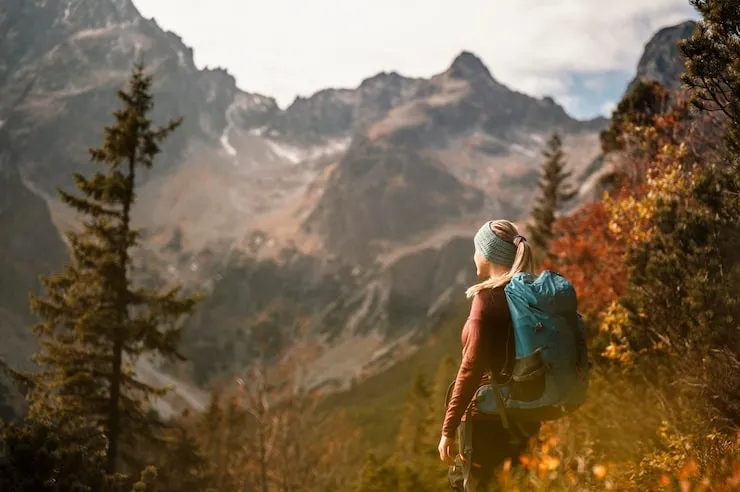
Stepping outside into fresh air and wide-open spaces is one of life's greatest joys. But having the right tools can make the difference between a great day and a tough one. This guide is here to help anyone, from new explorers to seasoned trail veterans, understand how to pick the best outdoor adventure gear. The right equipment keeps you safe, comfortable, and ready for fun.
Let's walk through how to build your perfect adventure kit.
Understanding the Basics of Outdoor Adventure Gear
Outdoor adventure gear includes all the items needed for activities outside. This means hiking, camping, backpacking, and more. Good gear protects you from weather. It also makes carrying food and water easier. Think of it as your helpful companion for every journey.
The most important rule is this: gear should match your planned trip. A walk in a local park needs less than a week in the mountains. Always plan your gear around your specific adventure.
The Outdoor Adventure Gear Guide: Starting with Footwear
Your journey literally begins from the ground up. Happy feet mean a happy adventurer.
Choosing the Best Boots and Shoes for the Trail
Footwear is the most important piece of hiking equipment. The wrong shoes can cause blisters and pain. For easy trails, trail-running shoes are light and flexible. For rocky or steep paths, hiking boots offer more support. Always try shoes on with the socks you plan to wear.
Why Socks Are Secretly Super Important
Never forget good socks! Moisture-wicking socks keep feet dry. Dry feet are less likely to get blisters. Wool or synthetic socks are best. Cotton socks hold sweat and can lead to problems.
Your Outdoor Adventure Gear Guide for Clothing
Staying comfortable outside means handling sun, wind, rain, and changing temperatures. The trick is to wear layers.
Mastering the Layering System for All Weather
This system has three parts:
-
Base Layer: This sits on your skin. Its job is to move sweat away. Look for technical apparel made of polyester or wool.
-
Mid Layer: This layer keeps you warm. A fleece jacket or a puffy vest is perfect.
-
Shell Layer: This is your shield. A waterproof and breathable jacket blocks rain and wind.
Selecting Durable and Weather-Appropriate Adventure Clothing
Choose clothes that can handle scrapes from rocks and branches. Fabrics like nylon and polyester are strong. Always check the forecast and pack an extra layer, just in case.
Essential Gear for Camping and Overnight Trips
When the sun sets, you need a safe and cozy place to rest. Your camping essentials make a house in the wilderness.
Shelter Solutions: Tents, Hammocks, and Bivvys
A tent is a classic home-away-from-home. When choosing one, consider how many people need to fit and the season you'll camp in. For lighter trips, a backpacking tent is designed to be small and light. Adventure hammocks are great for wooded areas. A bivvy sack is a super-lightweight option for solo travelers.
Sleep Systems: Bags and Pads for a Good Night's Rest
Sleeping bags have temperature ratings. Pick one rated for weather colder than you expect. A sleeping pad is crucial—it insulates you from the cold ground and provides cushion. There are inflatable pads and foam pads, each with their own benefits.
Carrying Your Kit: Backpacks and Load Management
A good backpack feels like a part of your body, not a heavy load.
How to Pick a Pack That Fits Perfectly
Adventure backpacks come in different sizes, measured in liters. A daypack (20-35 liters) is for short hikes. A multi-day pack (50-70 liters) is for camping trips. The most important step is getting the right fit. Torso length, not your height, decides your pack size. Always have an expert adjust the straps for you.
Packing Tips for Balanced and Comfortable Hiking
Pack heavy items like food and water close to your back and in the middle of the pack. This keeps you balanced. Use side pockets for items you need quickly, like a water bottle or snack. A well-packed bag makes hiking much easier.
Hydration and Nutrition On the Go
You can't adventure without fuel and water! This is non-negotiable.
Water Filtration and Hydration Pack Essentials
Never run out of water. For day trips, hydration reservoirs (like a CamelBak) let you drink without stopping. For longer trips, a water filtration system lets you safely drink from lakes and streams. Purification tablets are a good lightweight backup.
Preparing High-Energy Trail Food and Snacks
Pack food that is light and full of energy. Nutritious snacks like nuts, dried fruit, and energy bars are perfect. For meals, easy-to-cook freeze-dried meals are simple and satisfying after a long day.
Navigation and Safety Must-Haves
Getting lost is not an adventure. Being prepared is smart and safe.
Beyond the Phone: Reliable Tools for Finding Your Way
Phones can break or lose battery. Always carry a physical map and a baseplate compass. Learn how to use them together. A GPS device for hiking is a great electronic tool, but it should not be your only tool.
Building a Simple but Effective Survival Kit
A small kit can solve big problems. Include a first-aid kit, a fire starter (like waterproof matches), a whistle, a multi-tool, and an emergency blanket. Keep it light but always in your pack.
Gear Maintenance and Long-Term Care
Taking care of your gear means it will take care of you for many years.
Cleaning and Storing Your Equipment Properly
Always clean gear after a trip. Dirt can damage fabrics and zippers. Dry tents and sleeping bags completely before storing them. Store items in a cool, dry place—not a hot attic or damp basement.
Simple Repair Tips for Tents, Packs, and Clothing
Small rips don't mean the end of your gear. Repair kits for outdoor gear often include patches for tents and packs. A simple needle and thread can fix a torn jacket seam. Learning basic repairs saves money and keeps favorite gear in use.
Frequently Asked Questions (FAQs)
What is the most important piece of outdoor adventure gear?
There's no single answer, but experts often point to footwear. "Blisters can end a trip faster than a storm," says veteran guide Alex Rivera. "Invest time in finding shoes that truly fit your feet." A close second is a reliable way to carry water.
How much should I spend on my first set of gear?
You don't need the most expensive items to start. Focus on the essentials: good shoes, a comfortable daypack, a water system, and weather-appropriate clothing. Borrow or buy used gear for your first few trips to see what you like before investing heavily.
How often should I replace my hiking boots or rain jacket?
Replace boots when the tread is worn smooth or the midsoles feel crushed and no longer supportive. A rain jacket needs replacing when its waterproof coating wears out and water no longer beads up on the surface. With proper care, good gear can last for many seasons.
Is heavy cotton clothing okay for hiking?
It is best to avoid heavy cotton, like jeans and cotton sweatshirts. Cotton absorbs sweat and rain, takes a very long time to dry, and can make you cold—a condition sometimes called "cotton kills." Stick to moisture-wicking fabrics like wool and synthetics.
Final Thoughts
Gathering your outdoor adventure gear is the first exciting step toward countless memories. Remember, the best gear is the gear that gets used. Start with the essentials for short, local trips. Learn what works for you. As your adventures grow, your kit will naturally grow with you.
The true goal is not to own the most stuff, but to have the right stuff that lets you explore with confidence, comfort, and a big smile. Now, get your gear and get out there