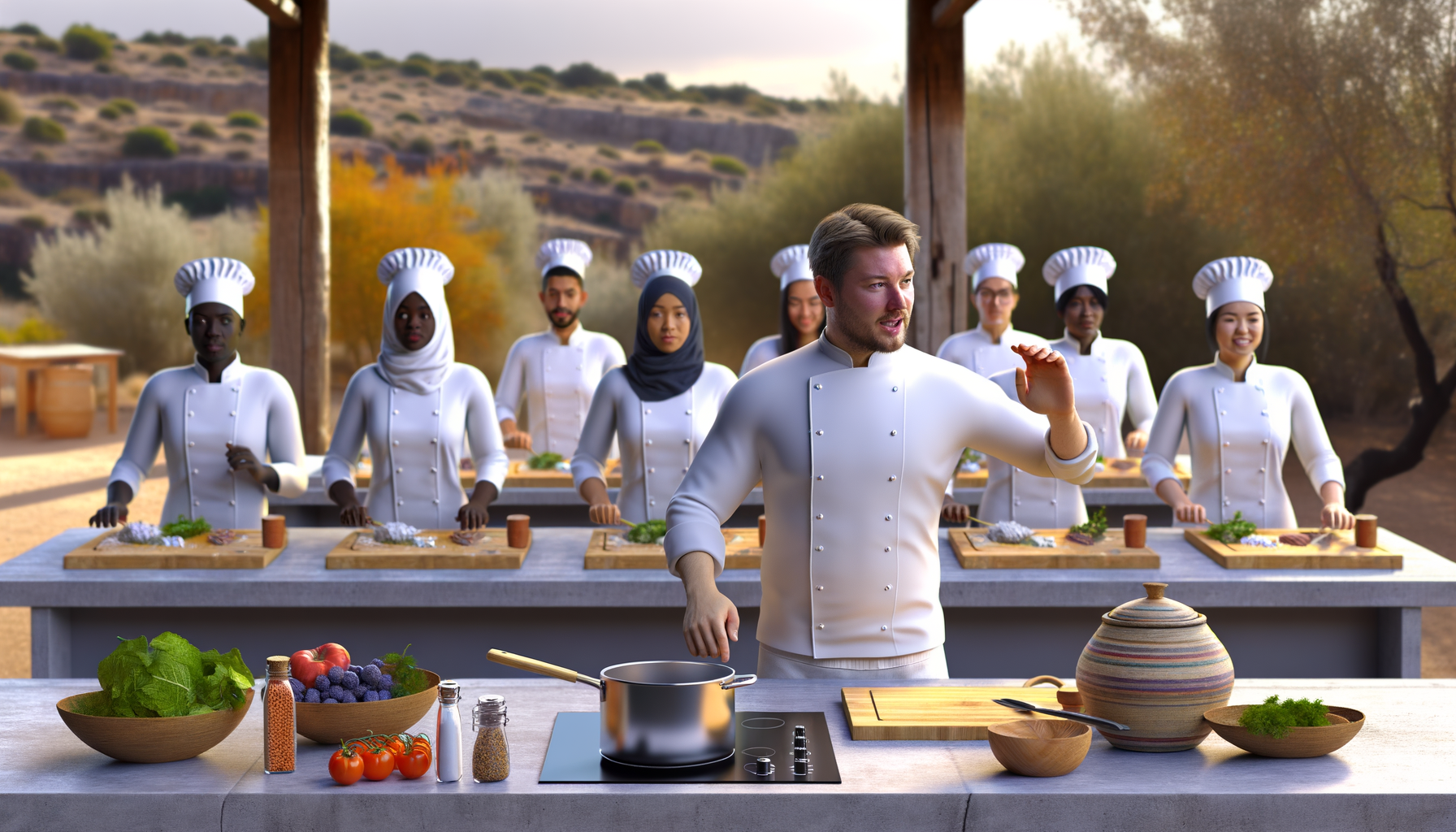
Most people think chef-level cooking is all sharp knives and fancy plating. But anyone who's tried to follow a recipe with weird measurements, a barking dog, and a kitchen that looks like a tornado hit knows it's not that simple. That's where recreational cooking classes come in. They're less about perfection, more about learning real cooking skills alongside folks like youmessy, curious, maybe a little nervous, but ready to dig in.
What Are Recreational Cooking Classes, Really?
Think of them as relaxed chef classes for regular people. You get hands-on time with real ingredients. There are friendly instructorsnot shouty TV chefsand you can actually ask questions without feeling dumb. You learn classic techniques, basic knife skills, and tips to make everyday cooking easier and way more fun.
- Beginner to advanced: No experience needed
- Small groups: Plenty of personal attention
- Real recipes you want to make at home
- No stress about making mistakes
The best part? These aren't strict culinary schools. They leave space for laughs, food fails, and trying things you might normally avoid (looking at you, pasta dough).
Why Learn Cooking Skills in a Group?
There's something different about learning with other people. Someone tries, messes up, and everyone learns together. Group cooking workshops bring out your competitive side just enough to push you, but not so much you want to throw your spatula across the room.
- You see new techniques up close
- You compare notesand mistakes
- You practice in a real kitchen, not just watch
- Your confidence grows way faster
Plus, you leave with something tasty you made yourself. That's better than watching yet another cooking show, right?
Chef Classes: How They're Different From YouTube
Scrolling through food videos is fun, but most people pause, rewind, and end up more confused than when they started. A live culinary class means you:
- Get instant answersno typing in the comments
- Smell and taste as you go (you can't do that on your phone)
- Pick up kitchen shortcuts you never knew about
- Get feedback so your mistakes become wins
Your instructor watches what you do and shows you how to fix wobbly cutting or lumpy sauce on the spot. You'd be surprised how much faster you learn when someone has your back.
Skills You'll Actually Use Outside Class
Every class gives you something more than just a recipe. The stuff you pick up in fun cooking lessons helps even on weeknights when you're tired or rushed:
- Proper knife safety and simple chopping techniques
- Secrets for perfect pasta, veggies, or proteins
- How to organize ingredients so nothing gets missed
- Timing and teamwork tips that make dinner faster
The more you go, the more confident you get in your own kitchen. It's less about being perfect, more about making meals that make you proud (even if they're a little wonky sometimes).
What If You Mess Up? (Spoiler: Everyone Messes Up)
Seriously, every chef has burned toast or salted soup until it's inedible. Good recreational cooking classes expect mistakes. The whole point is to learn by doing, fixing, and laughing it off.
- Nothing is wasteda flop is just a reason to try again
- Kitchen fails become great stories (and learning moments)
- Instructors show you how to pivot, not panic
Messing up in class feels safer than at home because you're surrounded by people who get it. Plus, team spirit (and maybe a glass of wine) makes everything better.
Picking the Perfect Culinary Class for You
Not all classes are the same. Some are all about French pastry, others focus on quick weeknight meals. If you want fun group cooking workshops, think about:
- Your skill levelnewbie, decent cook, or looking to impress?
- The vibeserious instruction or goofy, hands-on fun?
- Sizessmaller classes mean more help
- The menuare these dishes you'd actually cook at home?
Some places even let you bring friends or family, which can double the fun (or the chaos).
Are Recreational Cooking Classes Worth It?
Short answer: Yes, if you want to move beyond boxed mac and cheese. Longer answer: You get expert tips, meet cool people, and build real cooking skills that transfer to your everyday life. Plus, it breaks the routineway more exciting than scrolling on your phone for dinner inspiration.
- You get hands-on experience that's hard to find anywhere else
- Your meals start tasting better for real
- Culinary classes make great gifts or date nights
If one class doesn't live up to the hype, try another. Every chef finds their groove a little differently.
What to Expect Your First Time
Walking into a cooking class for the first time can feel intimidating. Most people worry about being too slow, not knowing the basics, or looking silly. Heres the truth: everyone feels that way. But a good instructor puts you at ease right away. Youll get a quick rundown, then jump right in. You might chop awkwardly at first, but youll end up with something to eat and a bigger sense of what you can do next time.
- No one expects you to be perfectmistakes are part of the process
- Youll leave full and with a new trick or two
- Bring an appetite and an open mind
Making Cooking a Fun Habit, Not a Chore
The more you learn, the less cooking feels like work. With every fun cooking lesson or group cooking workshop, you start to see food as something you play with, not just a task. Youll find yourself inviting friends over, trying new recipes, and actually looking forward to dinner.
- Try one new class every season
- Invite a friend or twoit ups the fun
- Pick something just outside your comfort zone
Cooking confidence grows in the small winslike nailing the flavor of a sauce or finally mastering knife cuts. The more you practice, the more those chef skills stick with you.
FAQ: All Your Real Questions About Cooking Classes
- Q: Are recreational cooking classes good for beginners?
A: Yes! Most classes are built for all skill levels. You'll get clear instructions, lots of hands-on practice, and friendly help if you mess up. Everyone starts somewhere, so you definitely won't be the only beginner in the room. - Q: What should I bring to a cooking class?
A: Usually, you just show up hungry. Classes provide the food, utensils, and aprons. If you want, bring a notebook for tips or a container for leftovers. Check the class info firstsome let you bring your own wine or favorite knife. - Q: Can I take a class alone or do I need friends with me?
A: You can absolutely go solo. Lots of people do. These classes make it easy to team up with new friends. If youre shy, tell the instructor, and theyll help you fit in. Bringing a friend is fun, but definitely not required. - Q: How do group cooking workshops help you get better in the kitchen?
A: Practicing in a group pushes you to try harder, learn from others, and get real feedback. You see what works (and what doesnt) right away, so learning sticks with you. Plus, it makes cooking feel like a team sport instead of a headache. - Q: What if I have food allergies or special diets?
A: Tell the class before you book! Most instructors will work with you to swap ingredients or find a menu that works. Its way safer to be upfront about allergies than hope for the best once youre there. - Q: How much do recreational cooking classes usually cost?
A: Prices range from about $40 for a group lesson to over $100 for fancy classes. It depends on location, instructor, and menu. Look for deals, beginners nights, or package bundles to save a little cash.