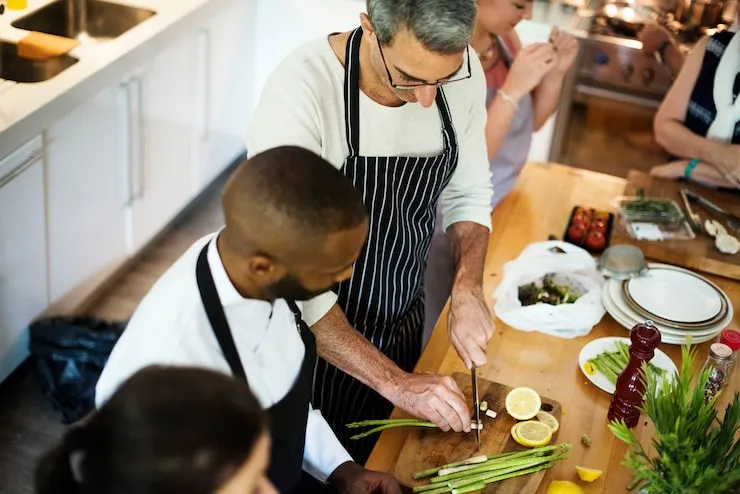
Italy’s Tuscany region is a paradise for food lovers. Renowned for its simple, fresh ingredients, rustic flavors, and soulful dishes, Tuscan cuisine is more than just food—it’s an experience. Imagine rolling hills dotted with vineyards, charming villages, and kitchens filled with the aroma of garlic, fresh herbs, and simmering sauces. For those eager to dive into this culinary wonder, it may seem impossible to master its secrets in just two days. But with a focused plan and the right guidance, you can achieve a crash course in Tuscan cooking that’s both enriching and delicious.
Here’s how you can immerse yourself in the heart of tuscan cooking classes magic in just 48 hours.
Day 1: Foundations of Tuscan Cooking
Tuscan cuisine thrives on simplicity. Its magic lies in high-quality, fresh ingredients and minimalistic techniques. To master the basics in a day, you need to focus on core staples: olive oil, bread, pasta, herbs, and traditional meats.
Morning: Olive Oil and Bread – The Heart of Tuscany
Start your journey by understanding the backbone of Tuscan cuisine—extra virgin olive oil. Tuscany produces some of the world’s finest olive oils, known for their robust flavors and peppery finish. Learning to taste olive oil, recognizing its nuances, and using it as a central ingredient is the first step toward culinary mastery.
Next, explore Tuscan bread, famously made without salt. This may sound odd, but the neutrality of the bread enhances the flavors of accompanying dishes. Consider baking a simple Pane Toscano. By kneading, resting, and baking this bread, you’ll not only create a delicious base but also understand why Tuscan cuisine emphasizes simplicity over embellishment.
Midday: Mastering Pasta and Sauces
Pasta is a central pillar in Tuscany. While fresh hand-rolled pasta is ideal, learning a few classic pasta dishes is more practical in a short timeframe. Start with Pappardelle al Cinghiale (pasta with wild boar sauce) or Tagliatelle al Tartufo (truffle pasta). Focus on balancing flavors rather than perfecting technique immediately.
Key tips for Tuscan pasta mastery:
-
Always cook pasta al dente.
-
Sauce should coat the pasta, not drown it.
-
Olive oil, garlic, and fresh herbs are essential building blocks.
Spend time creating a simple sauce from scratch using local tomatoes, garlic, rosemary, and sage. These herbs are common in Tuscan kitchens and carry the region’s signature taste.
Afternoon: Tuscan Meats and Soups
Tuscan cuisine is hearty but never overly complicated. Learning the art of simple, slow-cooked meats is essential. Traditional dishes like Bistecca alla Fiorentina (Florentine steak) and Peposo (slow-cooked peppered beef stew) teach you the importance of quality meat and patience in cooking.
Soups are another cornerstone. Tuscan soups often feature beans, vegetables, and stale bread. A classic Ribollita (bread and vegetable soup) is perfect for beginners. The secret lies in layering flavors: sauté onions, carrots, and celery, add beans and greens, simmer slowly, and finish by incorporating day-old bread.
Evening: Wine and Olive Oil Pairings
No Tuscan culinary adventure is complete without understanding wine pairing. Tuscany is home to some of Italy’s finest wines, including Chianti, Brunello di Montalcino, and Vernaccia di San Gimignano. Taste different wines alongside olive oils and bread, noting how acidity, tannins, and flavors interact. This exercise trains your palate, which is crucial for mastering Tuscan cooking.
Day 2: Advanced Tuscan Techniques
By the second day, it’s time to go beyond basics and explore techniques that give Tuscan dishes their depth and soul.
Morning: Mastering Tuscan Sauces
Sauces in Tuscany are deceptively simple but require attention to detail. Focus on:
-
Sugo di Pomodoro (tomato sauce): Slow-cooked tomatoes with olive oil, garlic, and basil.
-
Salsa Verde: A vibrant green sauce made from parsley, garlic, capers, and anchovies—perfect for meats and vegetables.
-
Pesto Toscano: Different from Ligurian pesto, Tuscan pesto often includes walnuts, pecorino, and local olive oil.
The secret here is layering flavors gradually and balancing acidity with richness. Taste constantly, adjust seasoning, and don’t rush the cooking.
Midday: Art of Pairing Meat, Cheese, and Vegetables
Tuscan cuisine thrives on fresh, local ingredients. Visit a local market (or simulate one at home) to pick fresh vegetables, cheeses, and meats. Practice:
-
Preparing Crostini Toscani, a classic appetizer with chicken liver pâté.
-
Roasting vegetables with herbs and olive oil.
-
Cooking meats simply—roasted or grilled with minimal seasoning to let natural flavors shine.
Cheese is another critical element. Pecorino Toscano, a hard sheep’s milk cheese, is used in both savory dishes and pasta sauces. Learn to pair it with vegetables, meats, and even honey for a full sensory experience.
Afternoon: Baking Tuscan Desserts
Tuscan cuisine doesn’t rely on overly sweet desserts. Classics include:
-
Cantucci (almond cookies) paired with Vin Santo.
-
Castagnaccio, a chestnut flour cake with raisins and pine nuts.
Baking these desserts reinforces the Tuscan philosophy of simplicity and natural flavors. Observe textures, flavor contrasts, and how subtle sweetness complements savory meals.
Evening: Crafting a Complete Tuscan Meal
By the evening of day two, combine all you’ve learned into a full Tuscan menu. A suggested meal:
-
Starter: Crostini Toscani and a light vegetable soup.
-
Main: Pappardelle with wild boar sauce, roasted Tuscan vegetables, and a Bistecca alla Fiorentina.
-
Dessert: Cantucci with Vin Santo.
-
Pairing: Chianti or Brunello di Montalcino wine.
Cooking this meal reinforces everything: layering flavors, using fresh ingredients, pairing food with wine, and presenting dishes simply yet elegantly.
Secrets That Make Tuscan Cuisine Unique
Even in two days, you’ll uncover the essence of Tuscan cooking:
-
Quality over complexity – Simple ingredients, well-prepared, are key.
-
Fresh herbs are essential – Rosemary, sage, and thyme define tuscan cooking classes.
-
Olive oil is liquid gold – Used generously, it elevates every dish.
-
Respect for tradition – Classic techniques like slow-cooking and layering flavors create depth.
-
Seasonality matters – Ingredients are chosen according to what’s freshest, creating natural harmony in dishes.
Tips for Maximizing Your 2-Day Experience
-
Plan ahead: Gather ingredients and recipes in advance to save time.
-
Hands-on practice: Cook as much as possible—observing alone isn’t enough.
-
Taste constantly: Develop your palate by tasting sauces, soups, and oils as you cook.
-
Engage all senses: Smell, sight, and touch are as important as taste.
-
Document your process: Note what works, what needs adjusting, and favorite flavor combinations.
Conclusion
Mastering Tuscan culinary secrets in two days may seem ambitious, but with focused effort, you can gain a deep understanding of its essence. From olive oils and rustic breads to hearty soups, perfect pasta, and subtle desserts, the key is appreciating simplicity, freshness, and balance.
By immersing yourself fully—tasting, cooking, and observing—you’ll leave not only with new skills but with a profound respect for Tuscany’s rich culinary heritage. Two days may not make you a Tuscan chef, but it’s enough to start your journey toward authentic, soulful Italian cooking.
After these 48 hours, every meal you prepare can carry a touch of Tuscany, transforming your kitchen into a small, fragrant corner of this magical region.