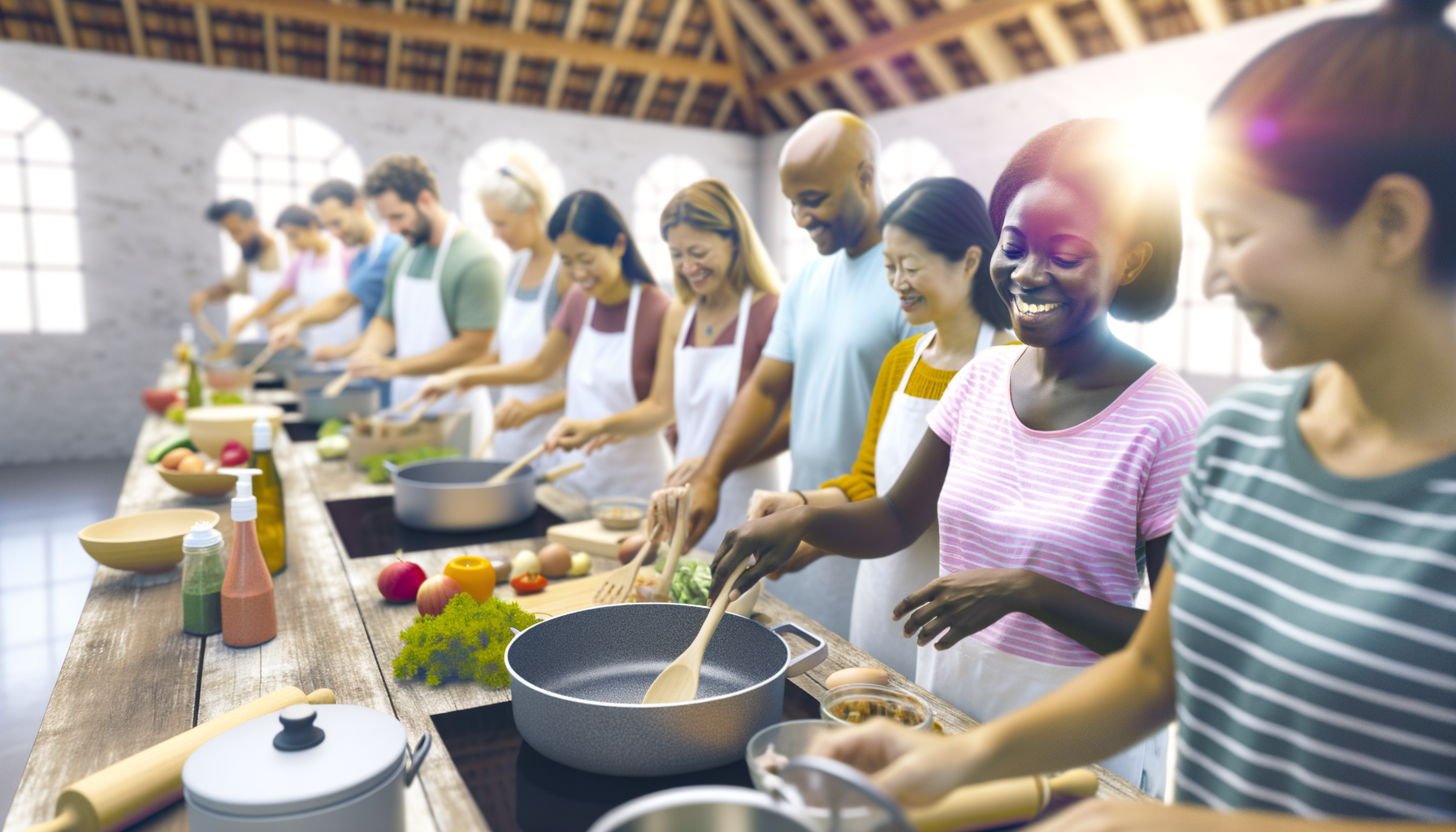
Ever felt stuck making the same three meals week after week? Youre not alone. Cooking ruts are a thing. But heres the good news: recreational cooking classes can snap you out of it and turn time in the kitchen into the best part of your week. These arent the boring demo classes you remember from school. Were talking hands-on, laugh-out-loud sessions where you actually get your hands dirty, learn by doing, and go home with legit new skills (and tasty leftovers).
What will you get from this guide? A straight-up look at why people are obsessed with cooking workshops, what happens in a real class, who fits in (spoiler: everyone), and how to get started with zero kitchen confidence. Lets roll up those sleeves and see what all the fuss is about.
What Exactly Are Recreational Cooking Classes?
If you think taking a cooking class means you want to be a chef, think again. These classes are for regular folks who want to have fun, try something new, and maybe upgrade their dinner game. Recreational means its about enjoyment, not exams or grades. Some call them cooking workshops or hands-on cooking classes. The goal? Learn, eat, and laugh together.
You might gather around a giant kitchen island, chop vegetables with strangers (soon-to-be-friends), and tackle something from sushi to sourdough. The focus is on group cooking activities, so everyone has a job, and nobody is left just watching.
- Chop, stir, taste, and adjust as you go
- No previous experience required seriously
- Pick from all kinds of classes: pasta, baking, vegan, grilling, global cuisine, and more
- Some classes are one-night-only, others last a few weeks
Bottom line? You dont have to be good at cooking to have a blast.
Why Are People Signing Up for Cooking Workshops?
Lets be real: eating out gets expensive, and meal kits only go so far. Thats why culinary classes are having a moment now. People want skills, not just dinners. Plus, getting together in a real kitchen beats staring at a recipe video alone.
Heres why these classes are so downright popular:
- Social connections: You meet new people or bond with friends/family over food
- Confidence boost: You finally learn to use that fancy knife set sitting in your drawer
- No-pressure fun: Messes are expected, fails get laughed off
- Creative release: Its art and science and play, all rolled into one
- Date-night upgrade: Way better than another dinner and a movie
I took a dumpling-making class once. My dumplings looked like squished socks. Nobody cared. We laughed so hard, and the instructor said, 'Ugly dumplings always taste best.' True story.
What Happens in a Typical Group Cooking Class?
All classes are a little different, but heres what you can expect from most group cooking activities:
- Quick intro and friendly icebreakers (to shake off awkwardness)
- Chef demo: Watch something tricky, like how to fold ravioli or slice onions without crying
- Hands-on cooking: Everyone gets a turn at the stove, oven, or grill
- Fun challenges: Some classes have mini cook-offs or team contests (its friendly, promise)
- Eat what you made (best part, hands down)
- Clean up usually not as bad as at home, since you have help
By the end, youve shared a meal and some stories. Some folks go home with new friends or even start their own cooking nights together.
Do You Need Any Skills Before Signing Up?
This is probably the biggest myth: you need to know how to cook before you take cooking lessons. Nope. Walk in knowing how to boil water and thats plenty. Good instructors break down every step. If you can cut a carrot, you can join.
- Nobody is grading your food
- Beginner, intermediate, and advanced groups are common pick your comfort zone
- Everyones learning together, so goof-ups are just part of the process
Sometimes, classes even tell you what shoes to wear or not to bring your own knives (they supply everything). If youre worried about allergies, most places can work around it, too. Just mention it ahead of time.
How Much Do Recreational Cooking Classes Cost?
Prices can range from $40 to $150 per person for a one-time class. Multi-week courses or private events might cost more. The price usually includes:
- All ingredients (no grocery trips needed)
- Equipment and aprons
- Chef instruction
- Food to eat or take home
- Sometimes even a drink or dessert
Tip: Check if your local community center, cooking school, or even restaurants run pop-up workshops. Some are surprisingly affordable, and you get the same fun experience.
Common Mistakes in Cooking Classes (and How to Dodge Them)
- Showing up late: Youll miss key instructions and feel rushed catching up
- Not asking questions: Seriously, nows the time. No ones judging you
- Trying to act like a pro: If you fake it and mess up, you learn nothing. Be real
- Forgetting to have fun: Dont make perfection your goal enjoy the process
- Not eating what you made: Even if its ugly, its yours. Taste it!
The first class is always the weirdest. Once youve survived that, the rest feel natural. Youll leave with more know-how and a better mood than when you walked in.
Who Should Try Hands-On Cooking Classes?
Short answer: Anyone. Seriously, these things are for:
- People who cant cook but want to learn
- Couples needing a creative date
- Parents and teens looking for bonding time
- Groups of friends tired of the same old hangouts
- Solo folks searching for a new hobby or to meet people
- Teams wanting a chill work event (way more fun than trust falls)
People from every background, age, and skill level walk into these classes. Everyone ends up learning something new (about food, and sometimes about themselves).
How to Find the Right Cooking Class for You
- Check whats being offered: Some classes are ingredient-focused (bread, chocolate, vegetarian), others are about technique (knife skills, grilling, baking)
- Read reviews: The best classes have instructors who make kitchen fails feel funny, not embarrassing
- Look for beginner-friendly options
- Ask about class size smaller can mean more one-on-one help
- Consider what suits your diet and interests
The trick? Try a class that youre curious about, nothing too intimidating. You can always level up next time.
What You'll Walk Away With (Besides Dinner)
- A solid recipe you wont forget as soon as you get home
- Kitchen tricks youll actually use (finally, no more onion tears)
- New friends or at least some good dinner stories
- The guts to try more recipes on your own
- Memories of messes, fails, and winsall part of learning
You might not leave as a gourmet chef, but youll be braver in the kitchen, happier when you cook, and a little less stressed when someone says, 'Whats for dinner?'
Ready to Jump In? Heres Your Next Step
If youre reading this, you probably want to shake things up in the kitchen or just do something fun and different. So pick a class that sounds interesting, sign up, and dont worry about being a rookie. Youll come out the other side with new skills, more confidence, and a fresh way to enjoy food and friends. Trust yourselfa little flournever hurt anyone.
FAQs About Recreational Cooking Classes
- Q: Do I need to bring anything to a cooking class?
A: Most cooking classes supply all the tools and ingredients youll need. You just show up, ready to cook and have fun. Sometimes, they ask you to bring an apron, but usually, they provide one. Check the class info to be sure. - Q: Can I join a group cooking activity if Im a total beginner?
A: Yes! These classes are built for beginners. Instructors go step by step and help anyone whos new to the kitchen. If you can follow simple directions and want to try new food, youll fit right in. - Q: How long do hands-on cooking classes last?
A: Most classes run between 90 minutes and three hours. Some workshops go longer, especially if youre learning something detailed, like baking bread. The class info will always list the time, so you can plan for it. - Q: What if I have food allergies or dietary needs?
A: Always let the instructor or staff know before class. Many places can switch out ingredients or help you make something you can safely eat. If youre nervous, ask before signing up. - Q: Can I bring my kids or family to a recreational cooking class?
A: Some classes are family-friendly and let kids join in, while others are for adults only. There are also teen-focused or parent-and-child lessons. Double-check what ages are welcome before booking. - Q: What type of food will I make in a typical class?
A: It depends on the class you pick. Some focus on Italian, Asian, or vegetarian cooking, others are all about baking. Read the description so you know whats on the menu before you sign up.