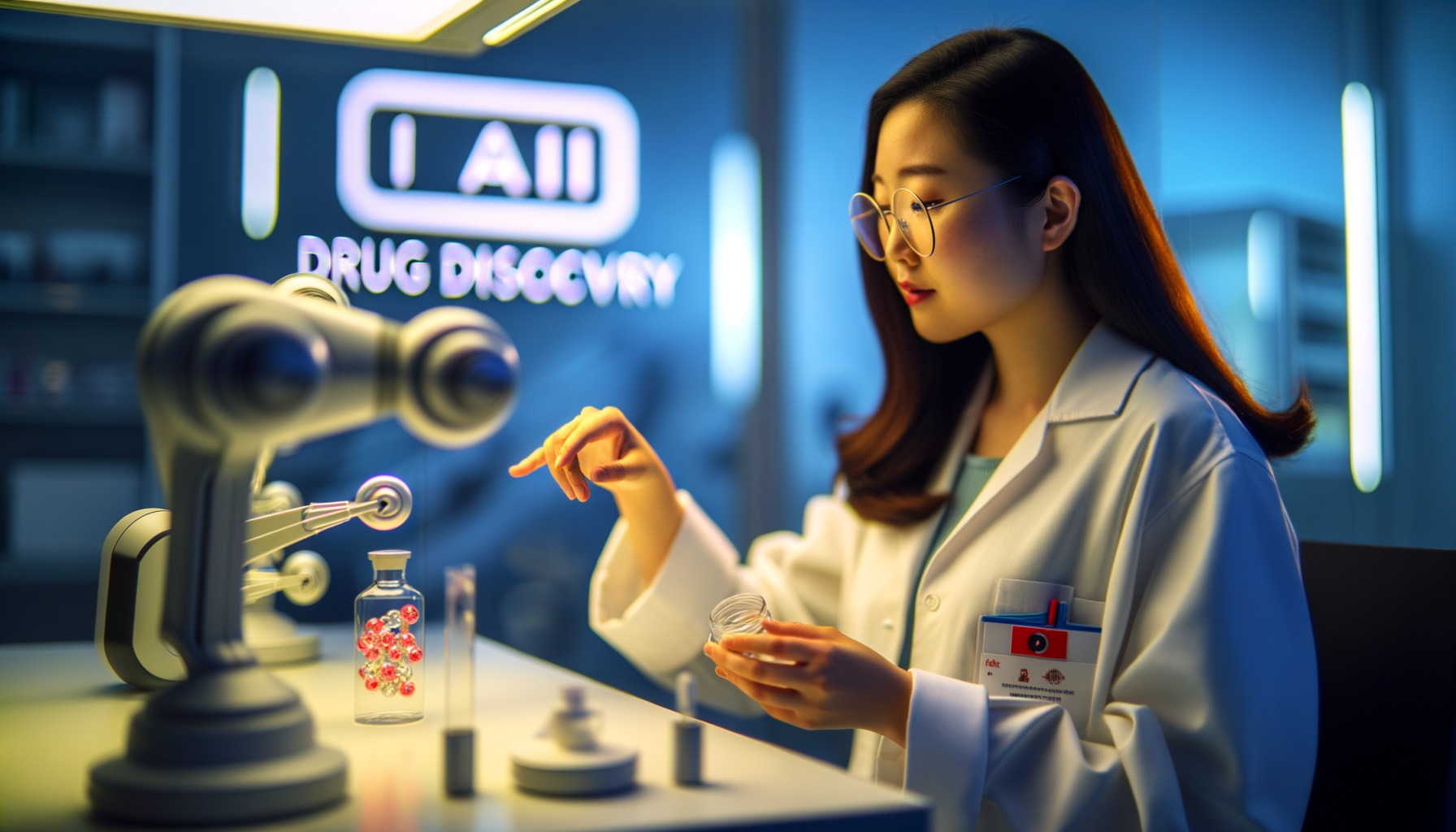
- AI can look at more data than any person.
- It catches things scientists might've missed.
- Makes finding a starting point way faster.
- Finds new uses for old drugs.
- Big pharma like Pfizer and Novartis use AI for early drug research.
- Startups like Atomwise use computational drug design to predict promising medicines.
- Tech giants are building AI tools for scientists everywhere.
- Makes drug design faster and cheaper
- Checks more disease targets at once
- Reduces mistakes from human bias
- Saves money for researchers and patients
- May find treatments for rare or ignored diseases
Think of it like finding a book in a giant library. Searching by hand could take decades. AI is like having a librarian who knows every single title and hands you the right ones in seconds.
This is cool tech, but it's not magic. Here are a few headaches people hit:
- The data used to train AI can have errors, making the computer guess wrong.
- Some AI ideas look great on screen but flop in real-life tests.
- No AI can replace real-life experimentsit's good for picking what to try, not for proving what works.
- Privacy and safety rules mean not all data is available.
Even with AI, researchers can waste time if the computer starts off with bad info or the problem is too new for any pattern to show up. Don't let anyone tell you AI solves everything. It helpsa lotbut it still needs smart people to check its work.
The future's looking smart. Imagine doctors typing symptoms into a computer, then the AI instantly lists possible treatmentseven some that aren't officially made yet. Or, computers predicting how a new virus could spread and giving scientists a head start on medicines. This isn't sci-fi. It's almost here, thanks to smart drug discovery technology.
Soon, regular people may get treatments built just for themtailored to their genes, made safer by AI's predictions. Drug testing may get faster, side effects can get caught before trials even start. That's a win for everyone.
Quicker medicine discovery means more hope when doctors say there aren't options left. It opens doors for rare disease treatments and faster reactions to new health threats. You could see safer drugs, cheaper prices, and maybe even cures your grandparents only dreamed of.
- Trusting the computer too muchalways check your results with real tests.
- Forgetting that AI is only as good as the info you feed it.
- Skipping important checks when a new drug looks "good on paper".
First time I helped with an AI drug project, I thought the machine "knew" tons. Turns out, if I typed in the wrong thing, it followed my mistakeand no one caught it until later. Lesson learned: Smart tools need smarter humans.
You usually won't see "discovered by AI" printed on a pill bottle. But more and more companies mention it in reports or news. As AI keeps proving itself, it'll become a badge of honor. If a medicine is safer, comes out quicker, or has fewer side effects, odds are AI helped shape it.
This tech doesn't do the job alone, but it's making the hunt for new cures way faster and smarter. Next time you hear about a brand new treatment on the news, remember: a computer might've had a big hand in finding it.
- Q: What is AI drug discovery in simple words?
A: AI drug discovery means using computers to help scientists find new medicines. The machine checks lots of info, looking for patterns humans might miss. It helps speed up the process but doesn't replace human experts. - Q: Can artificial intelligence find cures for rare diseases?
A: Yes, AI makes it easier to spot possible medicines for rare diseases. Computers can look through data quickly, even for illnesses that don't have much past research. Still, scientists need to test the ideas to see if they really work. - Q: Is drug discovery technology safe to trust?
A: It's mostly safe, but not perfect. AI helps find new drugs faster, but people always check the results with real experiments. Mistakes can happen if the computer has bad information, so double-checks are key. - Q: Who uses machine learning for drug discovery?
A: Big drug companies and small startups use machine learning to search for medicine options. Even universities and hospitals use it now. It helps when there's way too much data for people to look at by hand. - Q: Will AI lower the cost of new medicines?
A: There's a good chance. Since AI finds ideas faster and tries fewer dead ends, companies save money in research. These savings may make medicines cheaperbut how much prices drop depends on lots of business factors, too. - Q: Does AI mean people won't need scientists anymore?
A: Not at all! AI helps scientists do their jobs better and faster, but humans are still needed to test medicine and make big decisions. Computers can suggest ideas, but people turn those ideas into real cures.