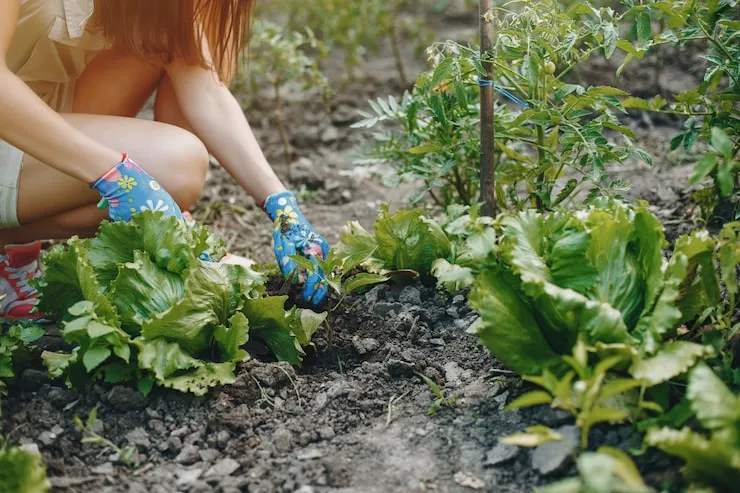
You've seen the photos. Lush vegetable beds seamlessly woven into flower borders, a cascade of cherry tomatoes over a decorative arbor, rainbow chard that looks too pretty to eat. It feels like a fantasy, especially when your mental image of a "vegetable garden" is a fenced-off rectangle of dirt with straight, soldier-like rows.
But here's the liberating truth: You don't need a separate "vegetable garden." You just need to start thinking of your edibles as ornamentals. The most stunning food gardens aren't tucked away; they're the star of the landscape. My friend transformed her barren side yard—a 5-foot wide strip of grass—into a "potager" (kitchen garden) that her neighbors now stop to photograph. She didn't dig up the lawn. She built up. And you can too.
Let's talk about how to make your veggies look like they belong, not like they escaped from a farm.
The Core Principle: Edible Landscaping, Not Agriculture
Forget rows. Think in terms of layers, textures, and colors, just like a flower border.
- Thrillers, Fillers, Spillers: Borrow this classic container gardening rule.
- Thriller: A tall, architectural plant (artichoke, tall kale, okra, a tomato plant on a beautiful obelisk).
- Filler: Bushy, medium plants (peppers, basil, bush beans, dwarf blueberry).
- Spiller: Something that trails (nasturtiums, sweet potato vine, oregano).
- Color Palette: Choose vegetables for their looks. 'Bright Lights' Swiss Chard (neon stems), 'Redbor' Kale (purple frills), 'Purple Peacock' Broccoli (edible leaves and heads), 'Black Pearl' Peppers (purple leaves, black fruit).
The Structural Secrets: Building the Frame
A beautiful garden has good bones. For veggies, the "bones" are the supports and beds.
- The Raised Bed as a Design Element
Don't use railroad ties or raw lumber. Your raised bed is a permanent landscape feature.
- Materials: Cedar, stone, brick, or corten steel. They look intentional and last.
- Shape Matters: A keyhole garden (round bed with a path cut into it) maximizes space and looks sculptural. A series of hexagonal or diamond-shaped beds feels modern.
- Height for Comfort & Style: A 24-inch tall bed is a waist-high garden, eliminates bending, and defines the space like a low wall. Cap it with a flat stone top for a built-in seating ledge.
- Vertical Layers: The Living Wall & Arbor
Go up. It adds drama and saves space.
- Living Wall: Attach a grid panel (like a cattle panel or obelisk trellis) to a fence or wall. Grow pole beans, Malabar spinach, or cucumbers up it. Instant green screen.
- The Productive Arbor: Build or buy a simple arch over a garden gate or path. Grow scarlet runner beans (with gorgeous red flowers) or small squash varieties (like tromboncino) over it. You walk through a living tunnel of food.
- Pathways That Invite
The path material sets the tone. Crushed stone, flagstone, or even clean, dark mulch looks far more deliberate than grass or dirt. Make paths wide enough (at least 2 feet) to comfortably walk and kneel.
The Art of Interplanting: Food and Flowers as Friends
This is the magic trick. Mixing flowers with vegetables:
- Confuses Pests: Marigolds, nasturtiums, and calendula deter bugs.
- Attracts Pollinators: Borage, cosmos, and zinnia bring bees for your squash and tomatoes.
- Adds Instant Beauty: While your tomato seedlings look scraggly in May, tulips or alliums provide color. When flowers fade, the tomatoes fill in.
A Proven Beautiful Combo: Plant a zigzag row of red lettuce in front of a row of blue salvia. The color contrast is stunning, and the salvia's spiky form plays against the lettuce's rosettes.
The Container Strategy: Gardens Anywhere
Containers let you put food exactly where you want beauty.
- The "Food Forest" Pot: One large, beautiful pot (half-barrel, large ceramic). Plant a "thriller, filler, spiller" combo: a single dwarf cherry tomato (thriller), surrounded by purple basil and parsley (filler), with trailing nasturtiums (spiller) over the edge.
- The "Salad Bar" Trough: A long, rectangular planter. Plant a mix of lettuces (red, green, speckled), radishes, and green onions. It's a living, edible arrangement right outside your kitchen door.
The Finishing Touch: Mulch as the Unifier
Nothing makes a garden look more "finished" and less "abandoned project" than a clean layer of mulch.
- Best Choices: Straw (golden, clean), shredded leaves (free, rich dark color), or coco coir (neutral brown, holds moisture). Avoid dyed wood chips on vegetable beds.
- The Effect: It suppresses weeds, holds moisture, and makes the colors of your plants pop. It's the frame for your living painting.
A Simple Starter Project: The "Patio Potager"
If overhauling the yard is too much, start here:
- Place: Your patio or deck.
- Containers: Get three large, matching pots (24-inch diameter).
- Pot 1 (The Salsa Pot): 1 tomato plant, 2 pepper plants, 1 cilantro plant.
- Pot 2 (The Greens Pot): A mix of 5-6 lettuce, kale, and chard plants.
- Pot 3 (The Herb & Flower Pot): Basil, thyme, oregano, and 2 nasturtium plants spilling over.
- Arrange them in a group. Add a small trellis in the salsa pot for the tomato.
You've just created a stunning, productive focal point with zero digging.
The Mindset Shift: Harvest as Pruning
You're not "picking veggies." You're shaping the plant. Harvest outer leaves of lettuce to keep the rosette beautiful. Pinch basil tips to encourage bushy growth. This is how you keep the garden looking good all season, not just at peak harvest.
Transforming your yard isn't about hiding your food. It's about celebrating it as a central, beautiful, and joyful part of your home's landscape. You're not just growing dinner; you're growing a masterpiece you can eat.
FAQs
Won't this attract more pests?
The opposite. Monoculture (big patches of one crop) is a pest magnet. Interplanting with flowers and herbs creates a diverse ecosystem that confuses pests and attracts their predators (like ladybugs and birds). It's a natural form of pest control.
What about soil? Do I need special dirt?
Yes. This is the one non-negotiable investment. Fill your raised beds and pots with a high-quality potting mix or a blend of topsoil and compost. Don't use heavy yard soil. Good soil = healthy, beautiful plants. It's worth the cost.
How much sun do I really need?
For fruiting vegetables (tomatoes, peppers, squash), you need 6-8 hours of direct sun. For leafy greens and herbs, 4-6 hours can be enough. Observe your yard. A stunning salad garden can thrive in a partly sunny spot that wouldn't work for tomatoes.
Is it more work than a traditional row garden?
Initially, the setup takes more thought. But in the long run, it's often less work. Raised beds have fewer weeds. Healthy, interplanted gardens have fewer pest problems. And because it's beautiful and integrated into your living space, you're in it more often, catching small issues before they become big chores.
What if my HOA doesn't allow vegetable gardens?
Many don't forbid "gardening"—they forbid "unsightly" or "unkept" areas. A stunning, landscaped potager is the opposite. Frame it as "ornamental edible landscaping." Use attractive beds, defined paths, and mix in plenty of flowers. It’s far harder for an HOA to argue against what looks like intentional, high-end landscaping. Know your rules, then design to exceed their aesthetic expectations.