Think about the last time you used your phone, ordered food online, or even scrolled through a playlist. Most of what felt simple or magic on the surface was powered by something you couldn't see: artificial intelligence in technology. AI isn't just a buzzword thrown around by tech giants. It's the tool driving the upgrades and new ideas behind almost every gadget and app you use. Want to know how this hidden brain works behind the scenes and what it means for the future? Let's dig in.
What Exactly Is Artificial Intelligence in Technology?
Artificial intelligence is basically computer programs that can "think"sort of. They spot patterns, learn from mistakes, and sometimes even make decisions on their own. In technology, that means making phones smarter, cars safer, and search engines better at guessing what you want.
- AI helps your photos look better by fixing lighting or blurriness automatically.
- It sorts through spam, so your inbox isn't a mess.
- It even helps doctors spot early signs of disease that the human eye might miss.
The main benefit? Tech works harder for you, often with less effort on your part.
Why Is AI Becoming So Important in New Tech?
We all want things faster, easier, and a little bit cooler. That's why the future of AI is such a big deal. Every big leaplike voice assistants that don't mess up your commands, or smart cars that avoid traffic jamscomes from making tech smarter with AI.
Here's why it matters:
- It saves time by handling boring or repetitive stuff (think: customer support chatbots)
- It finds things humans might miss, like tiny trends in what customers buy
- It helps invent new things, from smart fridges to wearable gadgets tracking your sleep
But sometimes, AI gets it wrong. Maybe your phone autocorrects to the weirdest word, or a smart speaker mishears you and starts playing heavy metal at 7am. That's the downside: AI is still learning, and it doesn't always nail it.
How Does AI Actually Change Everyday Technology?
Lets make this crystal clear. AI isnt some robot takeover. Mostly, its about making our tools do more for us. Heres where youve probably seen the impact without even realizing:
- Personalized playlists and recommendations: Streaming apps use AI to guess what you want to watch or listen to next.
- Navigation made smarter: GPS apps don't just show directionsthey predict traffic and reroute you around slowdowns.
- Smart home gadgets: Thermostats that learn when youre home, lights that figure out when you go to bed, doorbells that spot faces.
- Health monitoring: Watches and bands check your heart rate and even warn you if somethings off.
Each time tech gets an AI upgrade, it quietly learns from what you do and tries to serve up more of what you actually want. But remember, its not perfectsometimes it gets too creepy, like ads following you everywhere.
What Powers the Future of AI and Innovation?
AI is on the move because theres so much data out there. Every click, swipe, and voice command teaches AI how people actually use technology. With enough time, this means tech can guess your preferences, predict your questions, and solve problems before you even notice them.
The next wave will probably look like:
- Self-driving cars that talk to each other to avoid crashes
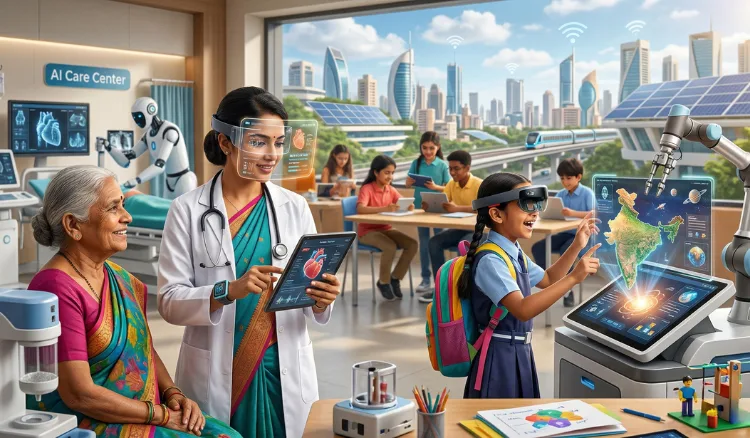
- Healthcare apps spotting health risks before symptoms even appear
- AI-powered robots doing routine chores, like vacuuming or mowing the lawn
- Learning systems that make school more personal for each student
Down the line, we might see things weve never even thought of. Its easy to get excited. But every new idea comes with new challengesprivacy, bias, and letting computers make choices that used to be made by people. We have to keep asking: are the benefits worth the risks?
What Could Go Wrong as Tech Relies More on AI?
Lets not pretend its all smooth sailing. AI messes up sometimes. It can pick up and repeat bad habits if the data it learns from is flawed. Theres risk in letting machines decide too much. And sometimes, tech can feel like its watching us too closely.
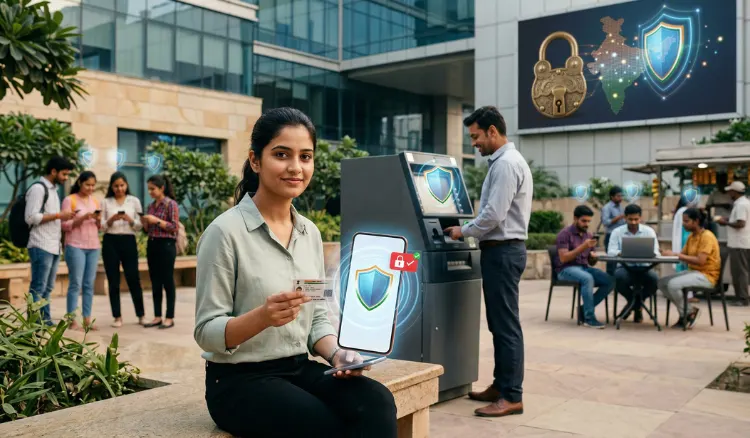
- Privacy worries: The more AI knows, the more it could share. If data gets misused, it can get personal, fast.
- Bias in decisions: If AI trains on data with biases, it copies those mistakes. This could lead to unfair results in hiring, lending, or law enforcement.
- Dependence: When you trust AI for everything, its easy to get a little lost if it fails (or the power goes out).
- Misunderstandings: Sometimes, AI misses the contexta harmless joke in a text could be taken seriously or misread by an automated system.
It takes humans behind the scenesdevelopers, testers, regular usersto point out these problems and fix them. Thats why your feedback and common sense matter as much as smart code.
How Can You Use AI Tech Safely and Wisely?
Using the tech that AI gives us can be awesome. Still, a few habits keep it working for you, not against you:
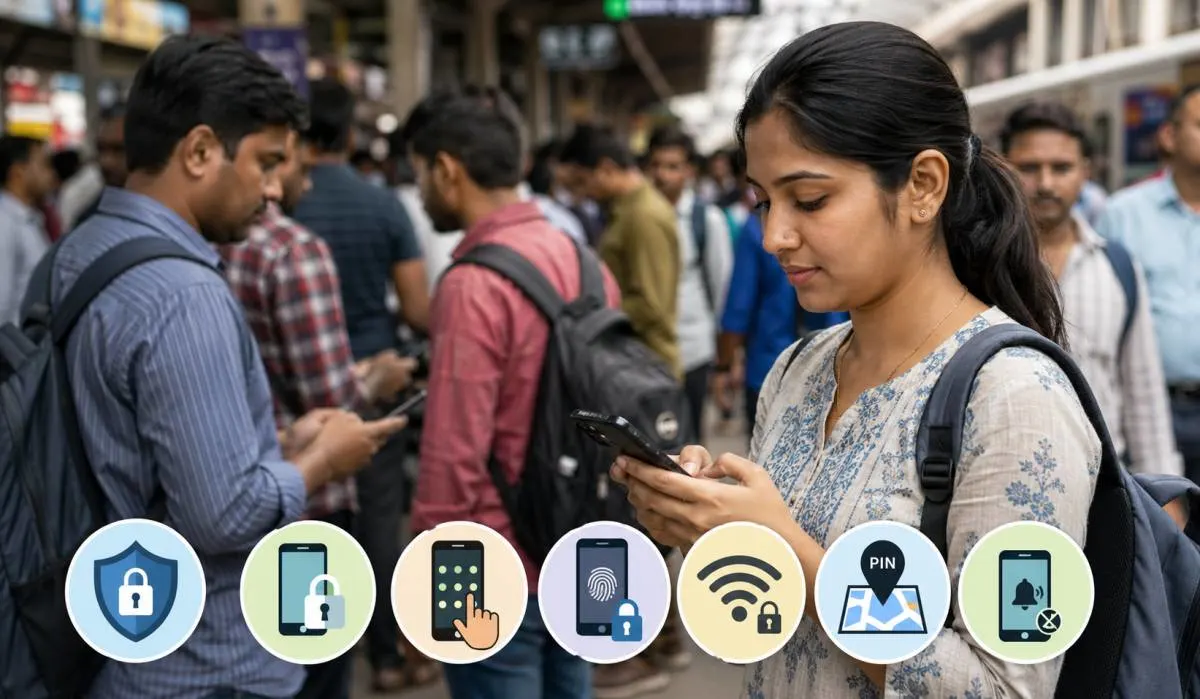
- Keep your apps and devices updated. Updates usually patch security holes.
- Pay attention to privacy settings. Decide what info youre willing to share.
- Dont believe everything AI saysdouble-check facts and use your own judgment.
- Try new features, but know you can turn them off if they get annoying or eerie.
The future of AI is about balance. Use it as a helper, not the boss. The best tools are the ones you understand and control, even if theyre smart enough to finish your sentences.
Whats Next for Technology Advancements With AI?
Every year, AI sneaks into more corners of our lives. The stuff we dreamed aboutcars that drive themselves, fridges ordering groceries, teachers personalized for every kidis becoming real because technology advancements with AI are moving fast. But that doesnt mean you have to be a tech genius to keep up.
- Jump in and try new apps or devicestest how they make your life easier or weirder.
- Stay curious and ask questions if something feels off or confusing.
- Dont be afraid to give feedback. The people making AI actually need regular folks to point out what could be better.
The main thing to remember: AI shapes the future, but people decide where it goes. Your everyday choices actually help steer what gets built next.
AI's Impact on Technology: Real-World Stories
The best way to see what all this hype means? Look at where AI is already making a difference:
- In hospitals, AI reads X-rays and scans in seconds, helping doctors catch things sooner than ever.
- Farmers use AI-driven tractors that sense the soil and decide just how much water or fertilizer each plant needs.
- Screen readers with AI help people with vision problems use phones and computers by reading what's on the screen aloud.
- Even athletes get a boostAI breaks down their moves to help them train smarter.
Theres impact everywhere, even if its invisible. The future of AI isnt about robots taking over; it's about tech that listens better and makes life a little less stressful.
Final Thoughts: AI Is the Quiet Partner in Tomorrows Tech
If you want a sneak peek at whats next, watch how artificial intelligence in technology keeps working behind the curtain. Youll see smarter gadgets, easier solutions to old problems, and new ideas that might even surprise you. The most powerful tool is stll your curiosity. Play with new tech, ask whats possible, and dont be afraid to call out glitches. Youre not just along for the rideyoure helping steer it.
FAQs About Artificial Intelligence in Technology
- What is AI in technology?
AI in technology means computer programs and machines that can learn, make choices, and get better from experience. It's used in everything from phones to cars to online shopping, helping tech feel more helpful and personal. - How does AI help with tech innovation?
AI helps by finding new ways to solve problems, often faster than people could alone. For example, it powers virtual assistants, sorts photos, and predicts what people might want next. This keeps tech moving forward. - Is AI in technology safe to use?
Mostly, yes. Big tech companies test their AI systems a lot before you use them. But it's smart to be careful about what data you share and to use privacy settings. Always double-check important info. - Where will AI impact technology the most next?
Healthcare, education, cars, and homes will see the biggest changes. Think about AI helping doctors diagnose, cars avoiding accidents, or voice assistants getting even smarter at home. - Will AI take over human jobs in tech?
AI might take over boring or repetitive parts of some jobs. But most of the time, it works alongside people, helping them do more or freeing them to focus on what needs a human touchlike creativity and problem-solving. - How can kids or beginners learn about AI in technology?
Start simple. Try fun apps with smart features, or look for beginner coding games that teach how AI "thinks." Many schools or websites have step-by-step guides for learning more without any special background.