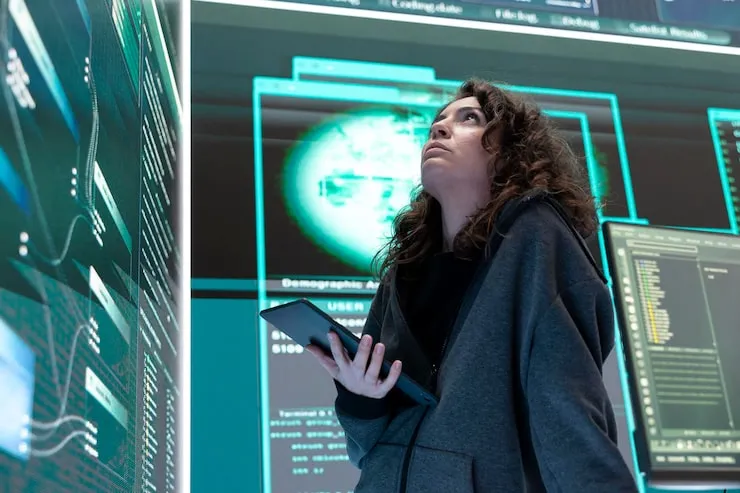
If you've ever had to wait months, even years, for a new medicine, you know how frustrating it is. Drug research isn't quick or easy. Most people never see how complicated it gets behind the scenesthe trial and error, the long list of things that don't work, the huge costs, and real lives hanging in the balance. AI drug discovery is starting to change all thatand it's easier to understand than you might think.
What is AI Drug Discovery?
AI drug discovery means using computers, algorithms, and a lot of data to find and design new medicines faster. Instead of guessing which chemical could work, researchers use artificial intelligence in pharmaceuticals to sift through mountains of information. It's a bit like giving a smart robot all the puzzle pieces and letting it figure out what fits, way faster than any person could do alone.
- AI looks at millions of compounds at once
- It can predict which ones might help treat a disease
- It gets smarter each time it learns from results
For anyone who's ever watched family wait for a treatment, this matters. Faster discovery means more hope, and less waiting.
How Does Machine Learning Work in Drug Development?
Machine learning is a type of AI that helps computers learn from patterns. In drug discovery technology, this means teaching the system to spot what looks like a good medicineand what doesn't. The software studies past drugs, side effects, and huge heaps of medical data. With each round, it gets better. You can think about it like a kid learning to ride a bike: the more they try, the steadier they get. With each fall, they learn what not to do.
- Researchers feed thousands of drug samples and outcomes to the machine
- The computer learns what works for certain conditions
- It gives scientists a list of 'best bets' instead of making them guess blindly
This is a lot faster, and sometimes the computer picks up on combos people would never notice on their own.
What Can Go Wrong With AI in Drug Discovery?
It's not magic. Computers are only as good as the data they're trained on. If the info is biased or incomplete, the results can be off. Sometimes the system makes picks that look great on a screen but flop in real life testing.
- Bad data means bad predictions
- No system can replace real lab work and clinical tests
- There's a risk of missing rare side effects
So, while pharmaceutical AI solutions can give a boost, it's not a perfect system yet. Teams still need real experts to check and make the final call. If you lean too much on AI, you could miss something important.
Where is Computational Drug Discovery Used Right Now?
Hospitals and research centers around the world are already starting to use AI drug discovery for everything from cancer to rare genetic problems. Some big wins happened during recent health emergencies, with new drug options suggested in weeksnot years. Companies use this tech to:
- Screen thousands of chemical structures overnight
- Repurpose drugs meant for one illness to treat another
- Spot problems earlier, before human trials
- Cut down wasted time and money
It' s given smaller labs a better shot, too. Now, with less funding, they can run tests using AI before spending big in the lab. It makes innovations more possible, even on a budget.
What's the Future of AI in Pharmaceuticals?
AI drug discovery isn't here to take over jobsit makes teams stronger and faster. Instead of spending years searching, scientists get a head start. The hope is this tech will make new medicines cheaper, faster, and more personal. Instead of 'one size fits all', we' re moving toward treatments built just for you, based on your DNA, your history, even your daily habits.
- Faster drug approval times
- Lower costs for treatments
- Safer human trials
- Bigger focus on rare and neglected diseases
The biggest challenge now is making sure everyonebig companies, small startups, and hospitalscan get access, and that the tech keeps learning the right lessons. Combining smart software with real-world knowledge is how we get health solutions that work for everyone.
FAQ
- How does AI drug discovery save time compared to traditional methods?
AI can process and analyze data quickly. Instead of spending years in a lab, computers review thousands of possible drug combos in days. This means researchers know what might work before they start expensive tests, so the entire process moves faster. - What is the difference between computational drug discovery and traditional drug development?
Computational drug discovery uses software to predict what drugs might work, while traditional methods often use trial and error. Computers check patterns in huge datasets, which helps scientists skip a lot of random guessing. - Can AI pick up on dangerous side effects that humans miss?
AI is great at spotting patterns in data, so it can sometimes catch warning signs that people overlook. But it can still miss rare side effects, which is why human testing and expert reviews are always needed. - Are jobs in drug research at risk because of AI?
No, AI helps scientists rather than replaces them. It does the time-consuming work and lets researchers focus on the tricky parts. People still make the final decisions and check results for safety. - Is AI drug discovery safe for new diseases?
AI is useful for new diseases because it can quickly scan data for possible treatments. Still, the medicines it suggests must go through real-world testing, so safety checks are always done before patients get them. - What skills do you need to work with AI in pharmaceuticals?
You'll need to know some computer programming and data basics, but you also need to understand biology and chemistry. Teams mix tech people with scientists so they can work together and get the best results.
The best thing you can do is stay curious and open to how this technology grows. The world of medicine is changing, and you don't have to be a computer expert to see the benefits. If you're facing a health challengeor know someone who isthe idea that new answers can be found faster gives everyone a little more hope.