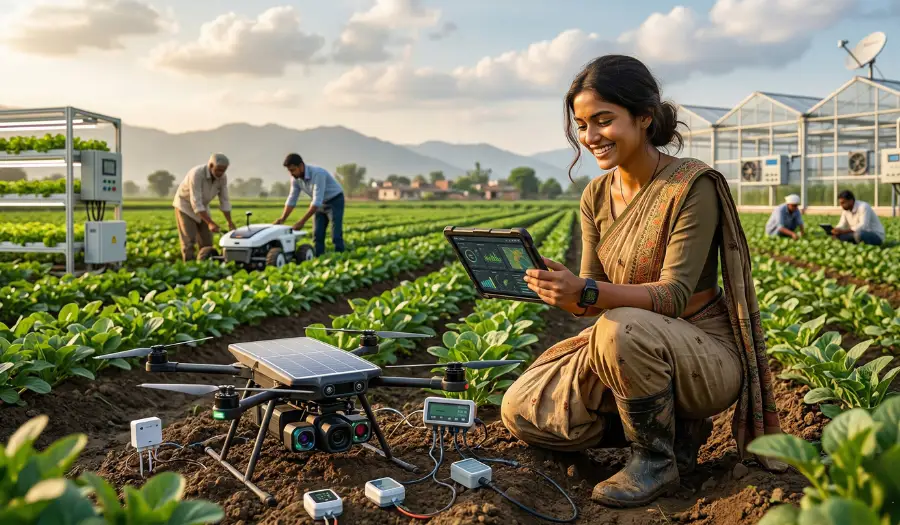
Science is messy. You run a test, scribble notes, realize you forgot to set a timer, and end up starting the whole thing again. That's fine the first few times. But what if you're managing ten experiments, a dozen spreadsheets, and a mountain of research data every week? That's where Pegasus automation in science steps in. It keeps the chaos in check, takes boring tasks off your plate, and helps labs actually get more science done. Whether you're tired of baby-sitting data processing or just want to stop repeating yourself, you'll see how Pegasus can make research feel less like herding cats.
What is Pegasus automation, and why do scientists talk about it?
Pegasus automation is a way to set up, run, and manage scientific workflows without having to watch every little step. It's a tool that lets you plan out all the jobs your experiment needslike turning raw data into results or combining lab measurements with computer analysis. You set up the chain once and Pegasus makes sure it all runs smoothly, even if you leave your desk.
- No more manually triggering the next step in your workflow
- Less chance of human errors messing things up
- Easier to rerun experiments if something goes wrong
Scientists get excited about this because it means they spend less time hovering over machines and data. More time for thinking, less time for grunt work.
How does Pegasus workflow management boost efficiency?
Think of your workflow like a recipe. Normally, you'd measure, mix, cook, and check everything by hand. Pegasus workflow management takes your recipe and does all the steps in order, checking each one as it goes. If it finds an error (like a broken test tube or a missing data file), it stops, tells you what broke, and waits for you to fix it. You don't lose the work you already did.
- Repeat experiments with a click, not a rewrite
- Get alerts when things go off track
- Document every step automatically, so you don't have to remember
Your lab's efficiency goes up because mistakes go down and you aren't stuck fixing the same problems again and again.
What does laboratory automation look like with Pegasus?
Laboratory automation is more than just big robots moving test tubes (though that's cool too). With Pegasus, you automate not just machines but the boring computer workdata sorting, file naming, analysis runs. It's like having a digital lab assistant who never gets tired and never mixes up files.
- Raw data from lab equipment gets processed automatically
- Results are flagged when they look weird, so you catch mistakes early
- Clean summaries ready for reports, with no copying and pasting
So, Pegasus isn't just for computer geniuses. Even small labs or students working on projects can use it to run the same tests over and overwithout errors creeping in.
Can Pegasus automation help with research data processing?
Short answer: Yes, in a big way. Research data processing eats up hours no one enjoys. Sorting files, reformatting spreadsheets, or calculating stats by hand? Pegasus handles all that once you set the rules. It can even kick off different analyses based on the results it seesmeaning you don't have to keep checking if it's time for the next step.
- Processes thousands of files faster than humans
- Keeps accurate records, so you don't lose track
- Makes it easy to trace where every number comes from
If you're doing science with lots of data, having Pegasus run your show means no more data mountains that never get sorted.
Is setting up Pegasus in your lab hard?
It can be tricky the first timekind of like learning to use a new phone. But it's not just for big universities; smaller labs, even single-person projects, use Pegasus without needing computer degrees. Plenty of guides break it down into simple steps. The key is starting simple, automating one small task first, and building up. Most people say after the first workflow, setting up the next one is much easier.
- Start with a single, repetitive task
- Test your setup, catch bugs, adjust
- Add more steps as you get comfortable
Once it's in place, you'll wonder how you ever did things the slow way.
What could go wrong with Pegasus automation?
No tool is perfect. If you aren't careful, automation can make mistakes happen faster. For example:
- Wrong settings can mess up big batches of data
- Automating a broken process just repeats the same mistakes
- Overly complicated setups get hard to fix if something breaks
It's important to check your workflows regularly and not set them on autopilot forever. Think of it like checking your car before a road tripbetter safe than sorry.
What makes Pegasus different from other computational science tools?
Pegasus focuses on managing workflows, not just doing single tasks. It doesn't replace your analysis softwareit connects everything into a chain you control. It's open-source, so you dont pay license fees, and real scientists around the world use it for serious research.
- You can run projects on a laptop or a whole supercomputer cluster
- Flexible enough for biology, physics, chemistry, and more
- Works nicely with other lab automation tools or scripts
It's kind of like the conductor for your scientific orchestramaking sure every part comes in at the right time, every time.
What should you do to get started with Pegasus workflow management?
Don't try to map out your entire lab process from the start. Pick one task that drives you nuts, and automate that first. That way, you learn how Pegasus thinks and avoid getting overwhelmed. Once you've nailed one workflow, you'll spot places where you can save even more time.
- Pick a repeatable experiment or data process
- Write down the steps on paper first
- Use Pegasus to automate those steps
- Test, fix mistakes, and expand bit by bit
Each success will show you how much hassle you can ditch. Soon, your lab might run smoother than you ever thought possible.
FAQs About Pegasus Automation in Science
- Q: Can Pegasus automation work in any research field?
A: Yes, Pegasus isn't limited to one type of science. You can set it up for chemistry, biology, physics, or even computer science projects. As long as your work has steps that can be done on a computer, you can use Pegasus to run them faster and with fewer mistakes. - Q: Do I need to know how to code to set up Pegasus?
A: Not much. Some basic computer skills help, but you don't need to be a pro. There are guides and templates that show you how it's done. Usually, you start by listing the steps your experiment needs, then Pegasus helps you automate those. - Q: How does Pegasus help with scientific workflows when team members are in different locations?
A: Pegasus keeps track of every step and makes the workflow repeatable. Everyone uses the same automated process, so results match up whether you run tests in New York or Tokyo. This means less confusion and more consistent science, even if your team never meets in person. - Q: Can Pegasus fix errors if something breaks during automation?
A: It can't fix errors on its own, but it'll spot them fast. Pegasus will stop the process, show you what went wrong, and let you restart from that step after you fix the problem. You don't lose your whole experiment if something small trips up. - Q: How does Pegasus compare to hiring more lab staff to handle tasks?
A: Pegasus can't replace people, but it does free them up from mindless, repetitive work. That means your team can focus on tricky problems and new ideas, while Pegasus batches the grunt work. In most labs, this ends up saving both money and time. - Q: What should I do if my workflow is really omplicated?
A: Break it into smaller chunks. Start by automating simple parts. Once youre comfortable, you can connect those smaller tasks into bigger workflows. This makes it less confusing and helps you catch mistakes early.
At the end of the day, Pegasus automation in science isn't about making labs cold or robotic. It's about letting people do real thinking, while the software keeps things moving without dropping the ball. Try it on one annoying taskyou'll feel the difference in your work and your sanity.