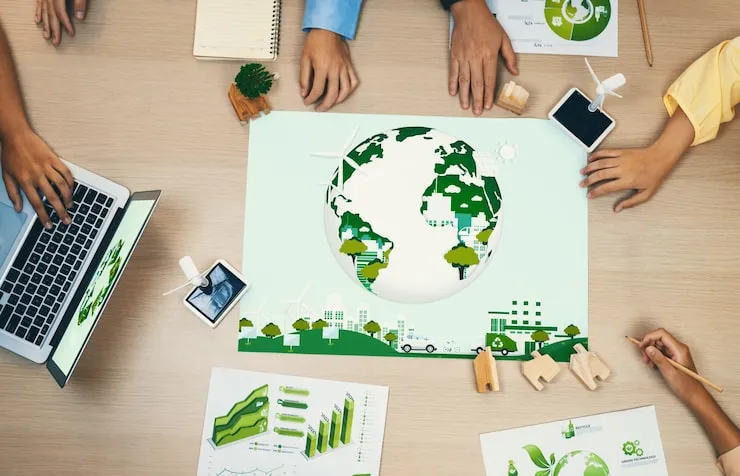
In the 21st century, humanity faces a crossroads where the choices we make today will determine the well-being of generations to come. One concept has emerged as a beacon for balancing progress with responsibility: sustainable development. At its core, sustainable development is about meeting the needs of the present without compromising the ability of future generations to meet theirs. While it may sound like an abstract concept or a policy term reserved for governments and corporations, sustainable development is deeply personal. By fostering public awareness, individuals can play a crucial role in shaping a sustainable future and, in doing so, revolutionize their own lives.
Understanding Sustainable Development
The term “sustainable development” gained global recognition after the 1987 Brundtland Report, which highlighted the need for development strategies that consider environmental preservation, social equity, and economic growth. Sustainable development is built on three interdependent pillars: environmental sustainability, economic sustainability, and social sustainability.
-
Environmental Sustainability: Ensuring that natural resources are used responsibly, ecosystems are preserved, and biodiversity is protected.
-
Economic Sustainability: Promoting economic growth that benefits all sectors of society while avoiding practices that lead to long-term financial instability or exploitation.
-
Social Sustainability: Fostering inclusive societies where everyone has access to education, healthcare, and opportunities for a decent quality of life.
By integrating these pillars into daily life, communities and individuals can reduce negative impacts on the planet while improving overall well-being.
Why Public Awareness Matters
While governments and organizations play an essential role in implementing sustainable development strategies, public awareness is the linchpin for real, long-lasting change. Awareness empowers people to make informed decisions in their personal lives, from the products they buy to the energy they consume. A well-informed society can advocate for policies that prioritize sustainable practices and hold businesses accountable for their environmental and social footprints.
Studies have shown that communities with high levels of awareness about environmental and social issues tend to have better resource management, lower pollution rates, and higher levels of civic engagement. Public awareness is not just about knowledge—it’s about action. When people understand the consequences of unsustainable practices, they are more likely to adopt behaviors that contribute to a sustainable future.
Practical Ways to Revolutionize Your Life Through Sustainable Development
Awareness is the first step, but action transforms knowledge into real-life impact. Here are several practical ways individuals can embrace sustainable development in their daily lives:
1. Adopt Sustainable Consumption Habits
Every choice we make as consumers has a ripple effect on the environment. By choosing products that are ethically sourced, energy-efficient, or made from recycled materials, individuals can reduce their environmental footprint. For instance, buying locally produced food reduces carbon emissions associated with transportation, while supporting fair-trade products ensures that workers are treated fairly.
2. Reduce, Reuse, Recycle
The classic mantra of sustainability—reduce, reuse, recycle—remains as relevant today as ever. Reducing consumption minimizes waste, reusing products extends their lifespan, and recycling materials prevents them from ending up in landfills. Even small changes, like using reusable bags or composting organic waste, contribute to broader environmental goals.
3. Conserve Energy and Water
Energy and water conservation are simple yet powerful ways to embrace sustainable development. Switching to energy-efficient appliances, using renewable energy sources, and reducing water waste all contribute to environmental sustainability. Beyond personal benefits, these practices reduce utility costs and lessen the strain on natural resources.
4. Engage in Community Initiatives
Public awareness and action are most impactful when combined with collective efforts. Joining local environmental groups, participating in tree-planting campaigns, or supporting community recycling initiatives amplifies individual efforts. Communities that prioritize sustainability tend to experience higher levels of social cohesion and improved quality of life.
5. Advocate for Policy Change
Individuals can influence systemic change by advocating for policies that promote sustainable development. Whether through voting, public campaigns, or engaging with local representatives, citizens can push for regulations that protect the environment, promote social equity, and ensure responsible economic growth.
The Role of Education in Promoting Sustainable Development
Education is a cornerstone of public awareness. Schools, universities, and online platforms play a critical role in teaching individuals about the principles of sustainable development. Curricula that integrate environmental science, social responsibility, and economic literacy equip students with the tools to make informed decisions.
Moreover, lifelong learning opportunities—through workshops, webinars, and community programs—help adults stay updated on sustainable practices. Knowledge empowers action, and informed individuals can lead by example, inspiring others to adopt similar practices.
Technology and Sustainable Development
In today’s digital age, technology is a double-edged sword. On one hand, it can contribute to environmental degradation through electronic waste and high energy consumption. On the other hand, technology can be harnessed to promote sustainable development.
Smart home devices, energy-efficient appliances, and digital platforms for sharing resources can significantly reduce environmental impact. Social media and online communities also serve as powerful tools for raising awareness, connecting like-minded individuals, and promoting sustainable practices on a global scale.
Economic Opportunities Through Sustainable Practices
Contrary to the misconception that sustainability is a financial burden, sustainable development presents numerous economic opportunities. Green technologies, renewable energy, and sustainable agriculture create new jobs and stimulate innovation. Businesses that adopt sustainable practices often enjoy enhanced reputations, customer loyalty, and long-term profitability.
For individuals, investing in sustainable products or supporting eco-friendly companies not only contributes to a healthier planet but also encourages market trends that favor ethical and responsible practices.
Personal Transformation Through Sustainable Living
Embracing sustainable development is not just about external impact—it profoundly transforms one’s life internally. Individuals who adopt sustainable lifestyles often experience greater mindfulness, reduced stress, and a stronger sense of purpose. By aligning personal values with actions, people develop a deeper connection to their communities and the environment.
Moreover, sustainable living encourages creativity and problem-solving. Finding ways to minimize waste, conserve resources, or support local economies fosters innovation and resilience, skills that are valuable in every aspect of life.
Global Implications of Public Awareness
The collective impact of individual action extends to global outcomes. When millions of people embrace sustainable development, the benefits multiply: reduced greenhouse gas emissions, healthier ecosystems, improved social equity, and more resilient economies. Public awareness campaigns, international cooperation, and grassroots movements have already demonstrated the power of informed citizenry in driving meaningful change.
Sustainable development is not just a goal; it is a shared responsibility. By educating ourselves, making conscious choices, and advocating for systemic change, we contribute to a global movement that seeks to preserve the planet while improving the quality of human life.
Conclusion
Revolutionizing your life through sustainable development begins with awareness. By understanding the principles of sustainable development and recognizing the impact of daily choices, individuals can take meaningful action that benefits both themselves and the world around them. Sustainable development is more than a buzzword—it is a roadmap for a balanced, equitable, and prosperous future.
Every step, no matter how small, contributes to a larger movement that transcends borders and generations. By embracing sustainable practices, engaging in community efforts, and advocating for responsible policies, you can be a catalyst for change. Public awareness is the spark, and action is the fuel. Together, they have the power to transform lives, societies, and the planet.
Sustainable development is not an abstract concept reserved for policymakers; it is a practical framework for living responsibly, consciously, and compassionately. The journey begins today, with knowledge, awareness, and action.