Finding new medicine used to take forever. Think years of guessing and testing, millions of dollars, and more failures than wins. People waited, hoping for a medicine that could save their lives. Then came AI drug discoveryfinally, a smarter way to find what works and skip what doesn't.
If you're curious about how computers are changing the way medicine is made, you're in the right place. This isn't tech for tech's sake. It's about better health, less waiting, and giving real people more hope. Let's break down how AI is shaking things up, the good stuff, and where it's still a pain.
What Is AI Drug Discovery, Really?
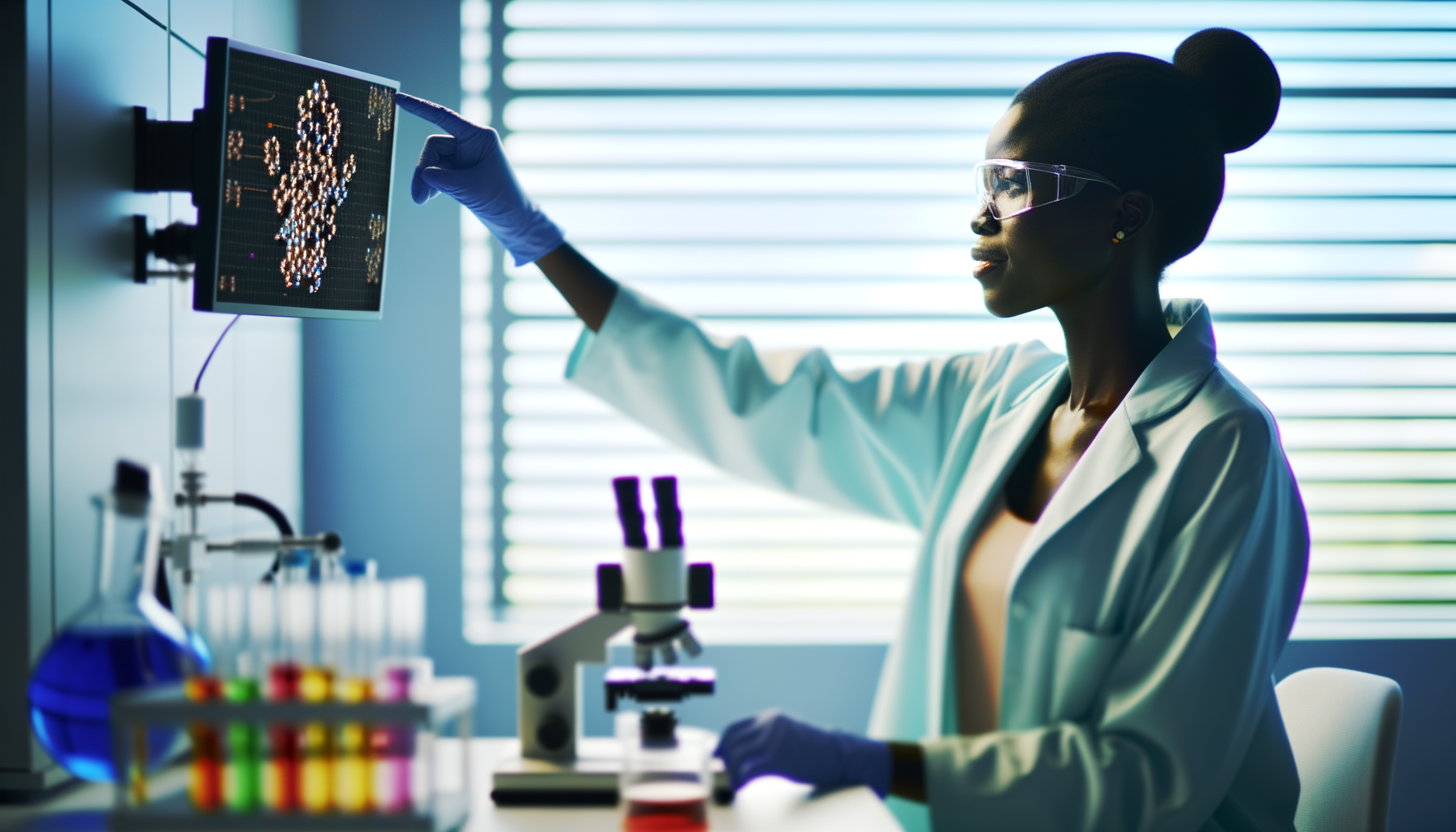
AI drug discovery means using smart computers to study, predict, and design new medicines. Instead of scientists guessing which chemical might help, artificial intelligence in drug development sifts through massive data fastlike a supercharged detective looking for clues all day, every day.
Why's that a big deal? Drug research was always slow and crazy expensive because humans can only work so fast and miss patterns in oceans of data. With AI, even things people would never spot show up in minutes.
- AI looks at patterns in past drug successes (and failures)
- Machine learning pharmaceuticals spot what might work, skipping weak ideas early
- Computational drug design builds and tests possible drugs virtually before they ever hit a lab
It basically means bad ideas get tossed faster, good ones rise to the top quicker.
How AI Healthcare Innovation Makes New Drugs Faster
Speed is everything. If you or someone you love is sick, waiting years for a treatment isn't an option. AI healthcare innovation changes the rules here.
- Sorting massive piles of data: Computers scan millions of chemical structures, looking for the golden ticket
- Spotting side effects sooner: AI models predict problems early, so bad surprises hit the trash before clinical trials
- Recycling old drugs: Sometimes, an existing medicine helps a new problemAI connects the dots much faster than a room of scientists ever could
Example? During the race to find COVID-19 treatments, some of the fastest progress came from drug discovery technology that ran 24/7 to suggest potential candidates. It wasnt magicjust relentless, focused computing power.
Can AI Replace Scientists Completely?
Short answer: Not a chance. Long answer: AI is great at finding hidden connections and running mind-numbing tests at lightning speed. But it still needs humans to:
- Ask smart questions and set priorities (computers arent creative on their own)
- Check for real-world messiness AI can misslike how a drug might work in a person, not just on a screen
- Decide whats worth chasing when all the numbers look perfect, but something feels off
Without people, all the data in the world is just noise. AI is the turbo-powered tool; humans steer the ship.
Where Does Machine Learning in Pharmaceuticals Shine (and Where Does It Crash)?
Machine learning pharmaceuticals nail the crunchingpredicting what might work and what could go wrong. They're fantastic for sifting through oceans of info. But there are still places where things get bumpy:
- Weak spots in data: If you put junk in, you get junk out. Bad data messes everything up
- Bias: Machines learn from what we feed them. If humans get it wrong, AI spreads that mistake times a million
- Black box problem: Sometimes, even experts can't explain why an AI picked a certain drug candidateit just did
This means its easy to miss tiny risks or over-promise. The trick? Use AI as a super helper, not the boss.
What Does This All Mean for Finding Cures?
No ones saying every new breakthrough will come from AI alone. But this technology is changing the game for rare diseases, faster clinical trials, and cheaper medicines.
- AI drug discovery can predict if a drug will fail (saving millions early on)
- Doctors might find new uses for old meds, faster than ever before
- Computational drug design helps test ideas in ways you couldnt even try in a real lab
It wont solve every problem, but its already helped get new treatments through trials quicker and with fewer surprises. Less guesswork equals less waste, and that helps everyone.
How Close Are We to Everyday AI-Powered Medicines?
You won't see robots handing out pills at your local pharmacy tomorrow. But the behind-the-scenes work is everywhere now. Big companies, hospitals, and even some tiny startups are all-in on AI healthcare innovation.
- Faster drug approvals when risks get spotted earlier
- More custom treatments (like cancer therapy designed from your own DNA)
- Less trial-and-errorAI helps zero in on whats likely to work for more people
The future? Your next prescription could owe its life to a computer program that found the best match in days, not decades.
Where Could All This Go Wrong?
For all its smarts, AI isnt perfectand there are real worries:
- Privacy: Your health data is priceless. Mess up once and trust is out the window
- Over-hype: Some say AI can do anything. Reality checkits powerful, but not magic
- Access: Cool tech doesnt help if only giant companies can use it
Real progress means staying transparent, owning up to misses, and making sure breakthroughs dont leave the everyday patient behind.
Bottom Line: A Smarter, Faster Path, Not a Magic Fix
AI drug discovery isnt waving a wand and curing every disease next year. But it's already helping speed up medicine, save money, and offer hope for conditions that used to feel hopeless. If youre waiting for news on a new treatment, that little bit of speed and accuracy makes a huge difference.
Stay curious, ask questions, and dont buy the hype. Technology is a toolnot the hero. The next big breakthrough might come from a scientist using AI, but it still comes back to people fixing real problems, for real folks.
FAQ: Real Answers About AI Drug Discovery
- How does AI drug discovery work?
AI drug discovery uses smart computers to spot patterns and test millions of drug ideas quickly. It looks for whats likely to work based on past data. This means scientists get better leads, faster, and waste less time chasing dead ends. - Is machine learning used in all drug research now?
Nopenot everything, but its catching on fast. Many big companies and research teams use it, especially for early-stage work. Some smaller labs are still learning how to use it, so it depends on the project. - Can AI make drug development safer?
Yes, to a point. AI can warn about big side effects early, so risky drugs get weeded out quicker. But no system is 100% safereal-world testing is still key before any new medicine reaches people. - Whats computational drug design?
Its using computers to build and test drug ideas virtually. Think of it as a digital lab, making new drug blueprints before anyone mixes real chemicals. It saves time, money, and helps find the best options to try next. - Are there risks using artificial intelligence in drug development?
Definitely. If the data is bad or the AI model is set up wrong, it can miss dangers or pick useless drugs. Theres also a big privacy concernkeeping medical data safe is a must. Always double-check AI findings with human experts. - Will AI replace doctors and scientists in healthcare?
No. AI is like super-smart supportgreat for crunching numbers and spotting trends, but it cant match human intuition or creativity. Doctors and scientists still make the final calls on whats safe and what works best for people.