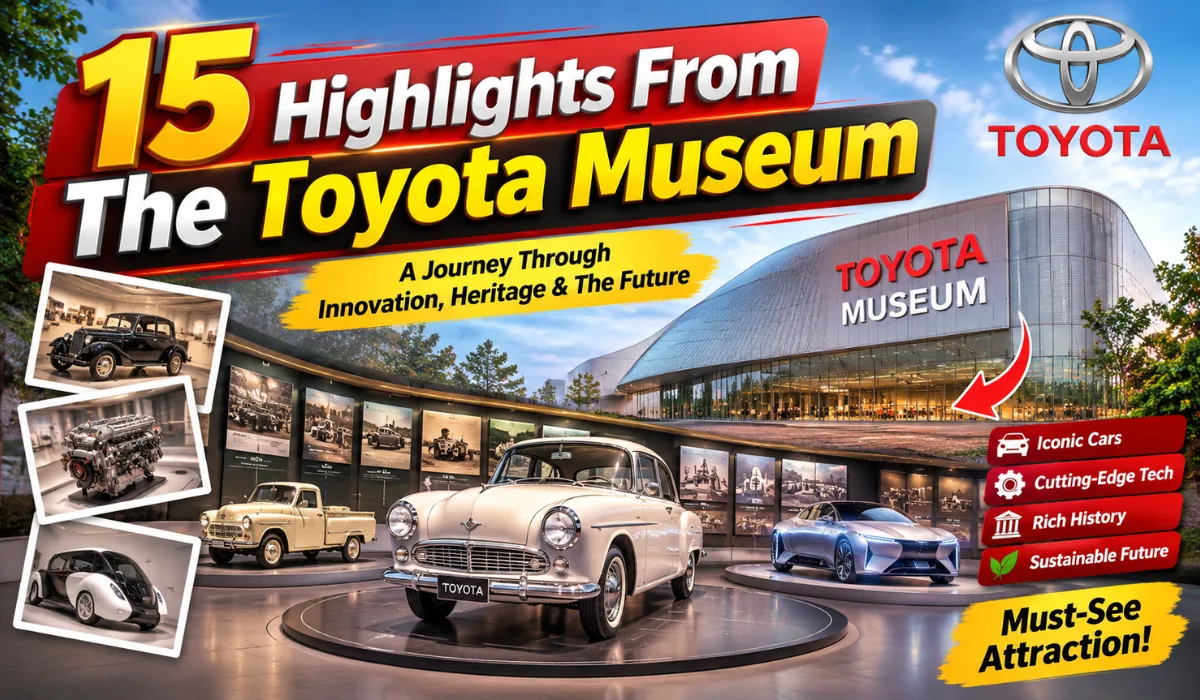
Toyota produced the first vehicle – then known as the Toyoda company – following the making of automatic weaving looms. American cars inspired the AA, which, when launched, looked remarkably similar to the 1930s aerodynamic styling of the DeSoto Airflow. The company founder Kiichiro Toyoda (1894-1952) created the car and powered it with a 3.4-litre OHV straight six-cylinder engine.
Panhard et Levassor Type B2 (1899)
This 1899 Panhard et Levassor Type B2, the first car to have front engine and rear-wheel drive, is displayed in the Dawn of the Automobile gallery. Panhard et Levassor added the steering wheel to their 1894 4CV, which participated in the inaugural motor race from Paris to Rouen.
Stanley Steamer E2 (1909)
Also, in this gallery, is this Stanley Steamer E2 from 1909. Twin brothers Freelan and Francis Stanley, of Massachusetts, created the steam car business before they sold their photographic plates to Kodak. One of their simplified vehicles claimed the land speed record at 127mph in 1906, but steam-powered cars quickly fell out of favor as the increasingly efficient combustion-engined cars became more popular; the Stanley company went out of business in 1924.
Hispano-Suiza 32CV H6b (1928)
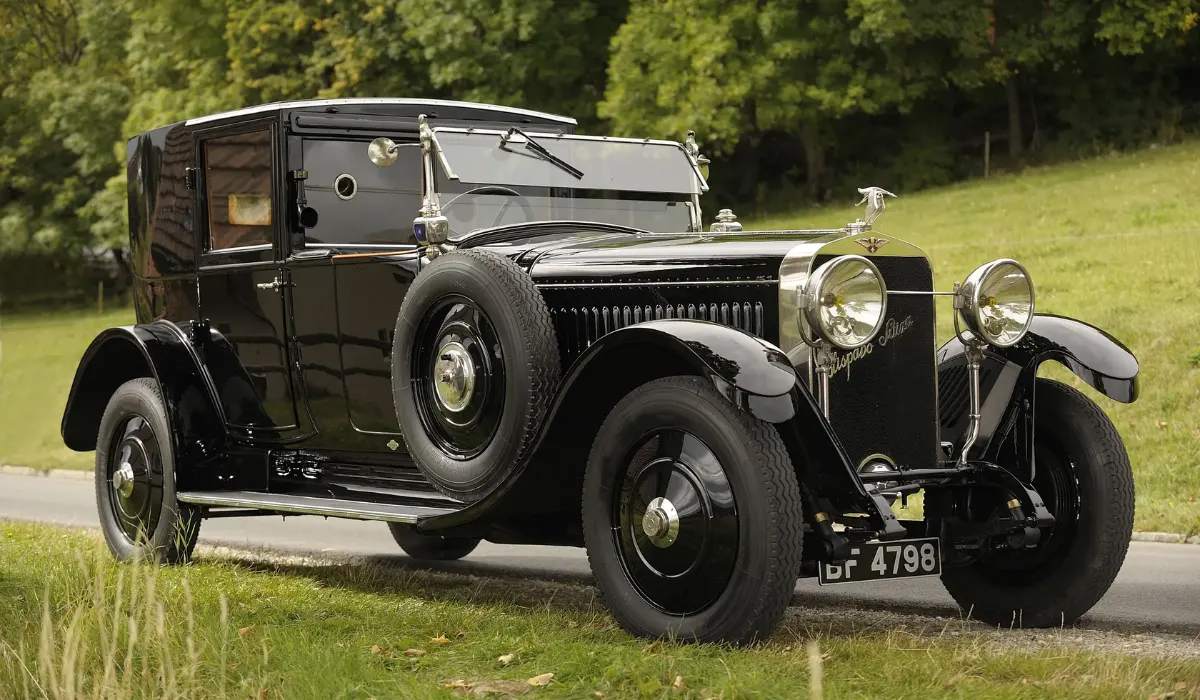
French manufacturer of luxury cars produced some wonderful cars, including this 32CV H6b of 1928, which ranked as one of the best cars in the world at the time, featuring four-wheel servo brakes (taken from planes) and a 6.6-litre all-aluminium overhead cam engine.
Bugatti Type 35B (1927)
One of the most renowned pre-war Grand Prix cars of all time, the Bugatti Type 35B amazed drivers with its phenomenal speed, thanks to a supercharged 2.3-litre four-cylinder powerplant capable of 138bhp – quite a sizeable number in those days. This car boasts a French blue paint job while the car behind showcases a British racing green paint - a colour associated with UK cars at the time, a vestige of the Gordon Bennett Cup from the early 20th century.
Tsukuba-go (1935)
A native rarity, only 130 Tsukuba-gos automakers Jidosha Seizo produced between 1935 for three years in Tokyo. It looks like an Austin Seven, the front-wheel drive machine is powered by a 737cc inline-4 and takes its moniker from Mount Tsukuba in Kanto area.
Datsun Model 11 Phaeton (1932)
Another Austin Seven inspired design became one of the first cars produced in Japan, the exotically named 1932 Datsun Model 11 Phaeton. Launched as DAT, the letters stood for the initials of the founder, but soon Datsun became the name of the company's new brand. When Nissan bought Datsun in 1934, it rebranded the Datsun brand as a sub-brand and continued to exist for over 50 years, until the eventual discontinuation in 1986. The company resurrected the Datsun brand in 2013 as a budget brand.
Cord 812 (1937)
Created solely for the purpose of making a bold statement, the designers created the 1937 Cord 812 right on the mark. The 812 featured incredible advancements with front-wheel drive, pop-out headlamps, a supercharged V8, and a vacuum shift transmission. It was no help to him though, as the company went broke at the end of 1937.
Packard Twelve (1939)
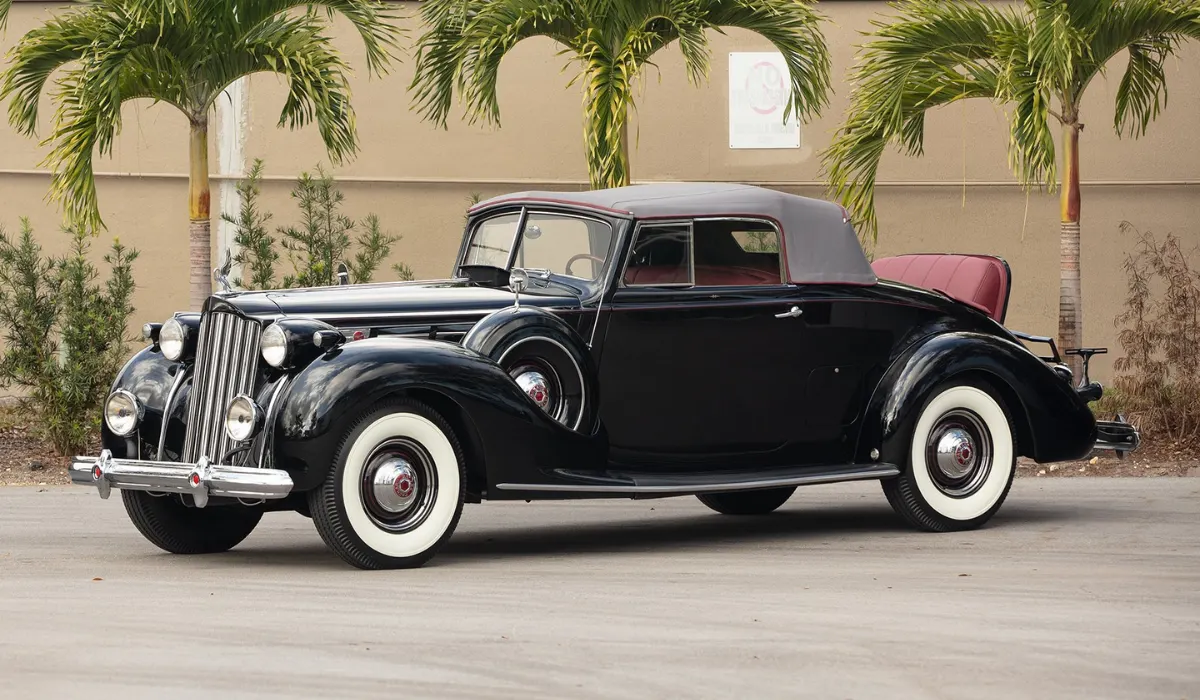
Some consider it America's Rolls-Royce. Based in Detroit, Packard built luxury cars with refined V12s and excellent quality. Franklin D. Roosevelt, the 32nd President of the United States, chose The Twelve as his vehicle. He travelled in this 1939 car for parades, which is equipped with armouring and bullet-proof glass.
Tucker 48 ‘Torpedo’ (1948)
Conceived as an upmarket but highly innovative car, the 48 featured a 5.5-litre helicopter-derived flat six-cylinder engine at the rear and a central directional headlamp. Only 51 cars were built before the maker went bust amidst a series of scandals. Today surviving cars are extremely sought-after.
Flying Feather (1955)
As its name suggests, the Flying Feather always intended to be as lightweight and cost-effective to produce as possible. Bicycle wheels (with spokes) and no front brakes, tiny 350cc V2 air-cooled motor, typical of bike engines at the time. Not surprisingly, the Flying Feather did not succeed, since people wanted more than not less in their car.
Subaru 360 (1958)
Subaru dubbed its first production car 'Ladybug' and equipped it with a four persons capacity, straight two-cylinder 356cc two stroke engine. Subaru originated from 'Fuji Heavy Industries', which was created when six companies merged (subaru means 'unite') and is represented on the company logo by six stars. One of the six companies was the Nakajima Aircraft Corporation, which assembled military aeroplanes during WWII.
Datsun Fairlady (1963)
Nissan manufactured the lovely 1963 Datsun Fairlady, the first fully sized Japanese sports car produced in numbers, with sales exceeding 40,000. Moving into the larger foreign market dominated by MG, Alfa Romeo, and Triumph, the Fairlady designers constructed it on a Bluebird chassis and equipped it with a 1.5-litre Cedric engine that produced 85bhp.
FAQ's
1. What is the main focus of the Toyota Automobile Museum?
It showcases the global history and evolution of the automobile rather than just focusing on Toyota vehicles, featuring around 150 historic cars from Japan, the US, and Europe across multiple floors.
2. Where is the museum located?
It is located in Nagakute City, near Nagoya, Japan, and is easily accessible via train lines from Nagoya Station.
3. What is the historical significance of the Toyoda Model AA?
Displayed as a key highlight, the Model AA (1936) was Toyota's first passenger car, developed under founder Kiichiro Toyoda after the company transitioned from making automatic weaving looms.
4. How are the exhibits structured?
The vehicle collection is organized chronologically as an evolutionary timeline, starting from the late 19th-century "Dawn of the Automobile" through rapid mass production eras up to modern sustainable technology.
5. Does the museum feature anything other than cars?
Yes, it includes a Cultural Gallery packed with automotive memorabilia, period posters, miniature toy cars, brochures, and historical artifacts that highlight car culture.