

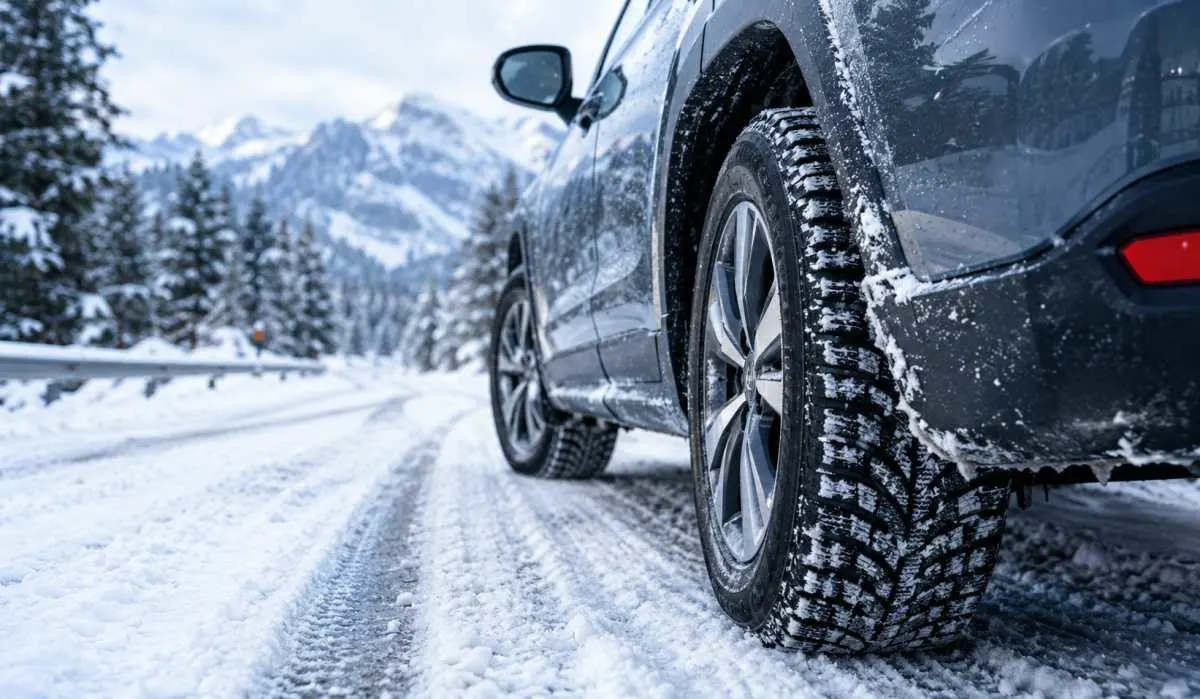
In autumn, as the weather cools down, North American drivers start thinking about winter tires. However, 12 myths about winter tires continue to confuse drivers in Canada and the United States. Many people believe that four-wheel-drive vehicles do not need winter tires or that these tires are only useful during heavy snowstorms. These misconceptions can affect road safety and lead to poor driving decisions. Understanding the facts about winter tires helps drivers prepare for cold weather, improve traction, and stay safer on icy, snowy, and cold roads.
You need to inflate your winter tires more to get better traction on the road
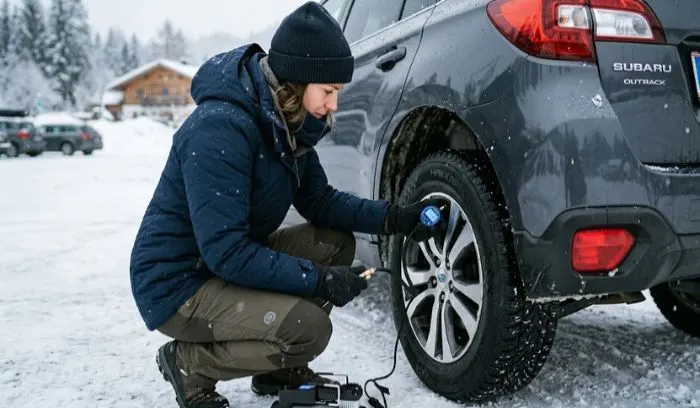
There exist all kinds of conflicting tips related to the proper tire pressure, particularly as the temperatures begin to lower. Many drivers believe that inflating the tire to a maximum pressure enhances the handling of the car. However, that is not the optimal pressure.
The proper tire pressure should align solely with the manufacturer's advice. An overinflated tire alters the contact patch and will lead to rapid wear.
Read More: Top 10 Car Warning Signs That Signal Trouble Ahead
Winter tires are only necessary in mountainous regions
You often think about the tyres when you are driving on mountain roads, at ski resorts, and in snowy areas. However, winter tyres can be useful even when you primarily drive around in the city.
Slush that covers the streets, snow that accumulates in the parking lot, and frozen intersections are not just a trouble that one encounters on the city streets.
With good winter tires, you can drive almost normally during a storm:
Winter tires represent a significant step forward in enhancing the safety of vehicles, but they are no magic bullet that renders a car invulnerable. Any top-tier model has limitations when it encounters a seal coat of black ice, a torrent of snow and slush, or limited visibility due to severe whiteout conditions. Speed, following distance, driver reaction, and vision remain essential factors for safe driving.
A quick turn of the steering wheel or abrupt braking can lead to a loss of control if the tires are not suitable for the current weather conditions. Drivers must adapt their driving style according to the prevailing road and weather conditions and should increase their stopping distance accordingly. Sometimes, delaying a trip can indeed be the safest choice. Winter tires don't make drivers invincible in hazardous conditions.
Winter tires always have studs
As you may already imagine, small metal studs are not all that common when it comes to tires designed specifically for icy roads. Unfortunately, a huge percentage of the winter tires sold in North America do not feature any studs at all. These tires rely on the use of unique rubber compounds, careful design with multiple deep tread groove patterns, and countless sipes for added traction on slippery surfaces. Studded tires clearly belong to their own specific class.
Their use continues to be regulated by various authorities and can even be prohibited in certain areas. Laws differ from one Canadian province or state to another, creating a complex landscape. We certainly recommend consulting your local regulations before having them installed for safety. The non-studded tire can also provide very good winter performance under the right conditions.
A winter tire that still looks good can be used indefinitely
You might think that a winter tire that appears to be almost new doesn't need to be replaced. Although a tire has given up part of its qualities, it may look promising at first glance. And although many drivers believe they are no longer good because the tread is starting to wear away, it is not the only sign to consider.
Tire rubber naturally ages over time. An older tire may start to harden, develop cracks, or lose some of its grip as years pass by. But there is no one-size-fits-all expiration date for all models of tires. Drivers should make note of when the tire was made, as well as follow manufacturer guidelines for maintenance, and consult with a professional if the tire appears to be deteriorating.
Two winter tires are enough to drive safely
A few of the motorists may consider saving money by mounting winter tires just on the drive wheels of the automobile. This type of decision might appear reasonable when it comes to a front-wheel drive car. Nevertheless, it could result in imbalance between the front and rear axles of the vehicle. If the front and rear tires do not provide the same grip, the automobile will feel awkward when turning or when making emergency stops.
The wheels fitted with lower grade tires are likely to grip less than the others. This is precisely the reason why manufacturers and safety organizations recommend fitting all four wheels with matching winter tires. Do not sacrifice your stability for a bit of savings!
You May Also Read: LED or HID Headlights: Which Is Best for Your Vehicle?
Winter tires are unnecessary when there is no snow
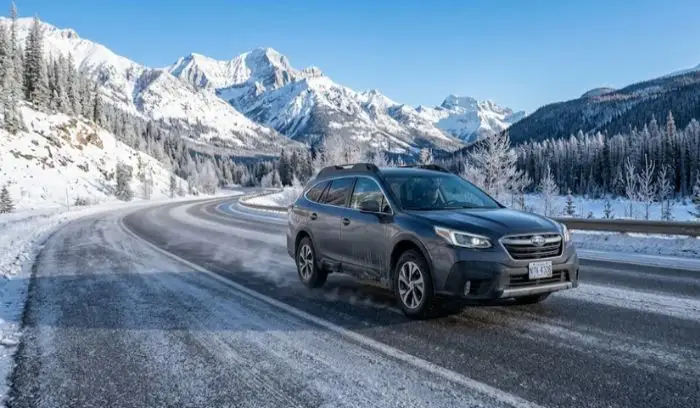
This is likely one of the most popular misconceptions that drivers share. Some will even delay the installation of their winter tires until they experience their first snowfall, thinking that the tires won't do anything if there's no snow on the ground. However, the temperature also plays a crucial role, since the rubber of summer tires and all-season tires (conventional) becomes less elastic at 7 °C.
By contrast, winter tires are expertly engineered to retain superior grip under such challenging conditions. A cold road, even a pristine one, can thus serve as a compelling reason to equip yourself with winter tires. Several regions of Canada and the northern United States experience winter conditions before winter storms arrive, highlighting the importance of being prepared.
FAQs
1. What are the most common myths about winter tires?
Common myths include believing winter tires are only needed in snow, that two tires are enough, and that all winter tires have metal studs.
2. Do winter tires work without snow?
Yes, winter tires can provide better grip in cold weather because their rubber compounds are designed to remain flexible at low temperatures.
3. Should winter tires have higher air pressure?
No, you should follow the vehicle manufacturer's recommended tire pressure. Overinflating tires can reduce the contact area and cause uneven wear.
4. Are two winter tires enough for safe driving?
No, fitting all four wheels with matching winter tires is generally recommended to maintain balanced traction, steering, and braking.
5. Do four-wheel-drive cars need winter tires?
Yes, four-wheel drive can help a vehicle move forward, but it does not replace the improved braking and cornering grip that suitable winter tires provide.