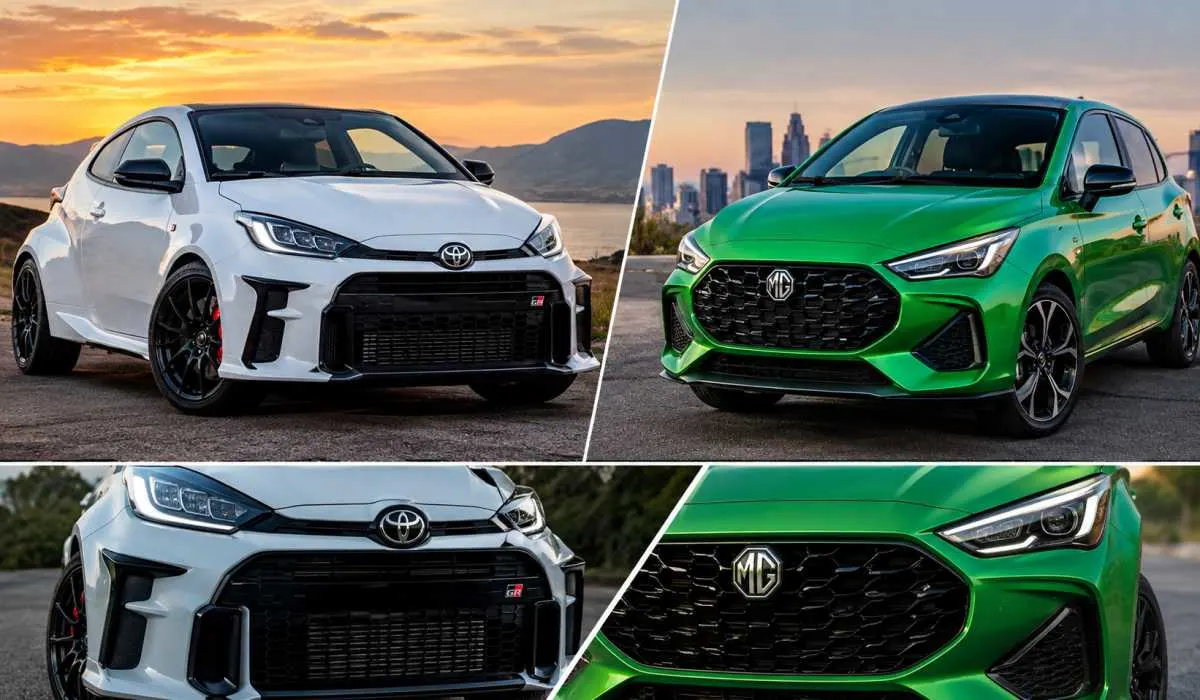
Honda, Toyota, and Volkswagen all started small. They built low-volume vehicles. But even after becoming giants, they still made some very rare cars. Multiple factors caused these cars to fail. Bad marketing. High prices. Weird designs. The BMW 507 showed so much promise.
But the target audience never recognized it. Volkswagen canceled its Australia-bound Beetle-based buggy because of budget constraints. The presentation below showcases extremely uncommon vehicles. Mainstream manufacturers produced them. Almost nobody bought them.
I have studied rare cars for over five years. I have attended auctions. I have spoken to collectors. Real expertise comes from digging into production numbers and failure stories. These twelve cars deserve a second look.
12 Rare Cars from Mainstream Manufacturers
Let me walk you through these forgotten gems. Each one has a unique story. Some failed. Some were just too expensive. All of them are fascinating.
1. Alfa Romeo 33 Stradale (18 Built, 1967-1969)
The 33 Stradale came out in 1967. Alfa Romeo was already a racing company. But this car? It blew everything out of the water.
Under the hood sat a 227bhp V8. It could go from 0 to 60 in under six seconds. That was insane for that time. People call it one of the first proper supercars. Why? Because it borrowed a lot from the Tipo 33. That car actually won races. Also, the designers threw in butterfly doors that swing up. You know, like the ones you see on modern McLarens. Only 18 units were ever built. Today, each one is worth millions.
You may also read :- Cars Everyone Thought Would Become Collectibles
2. Audi Quattro (11,452 Built, 1980-1991)
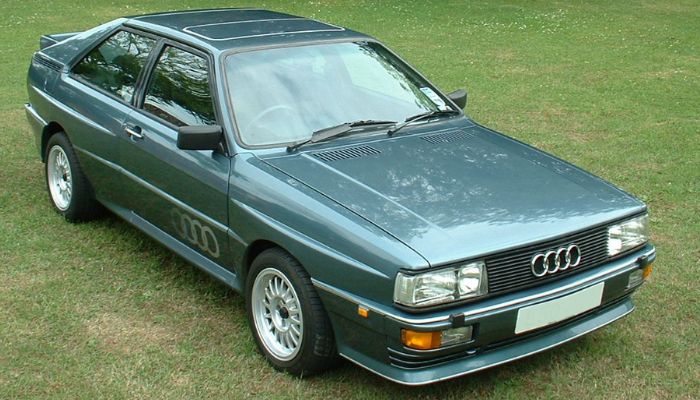
The Audi Quattro achieved its greatest recognition by dominating rally competitions in the 1980s. But it also functioned as a standard production model. Audi sold it for over ten years.
The vehicle occupied a special market segment. Its high price exceeded the cost of the 80-based coupe. That created an uncommon appearance throughout its entire existence. Between 1980 and 1991, Audi sold only 11,452 examples of this iconic vehicle.
Today, collectors fight over clean examples. The Quattro changed rally racing forever.
3. BMW 507 (252 Built, 1956-1959)
Henry Ford II persuaded BMW management to design the 507 for American customers. He believed his plan would strengthen the brand's reputation as a sports car manufacturer. The United States market was the largest and most profitable at that time.
But the 507 project failed. Actual costs exceeded the original budget estimate. The car became too expensive. Regular buyers could not afford it.
Still, the product reached famous people. Elvis Presley bought two of them. Only 252 units were ever built. Today, a BMW 507 sells for over $2 million.
4. Chevrolet SS (12,860 Built, 2013-2017)
The Chevrolet SS had rear-wheel drive. Also a V8 engine. But here is the thing most people never figured out. It was just a rebadged Holden Commodore from Australia. Straight from down under.
The car came to the US as a modern muscle car. But you could also use it like a normal family sedan. For the 2015 model year, Chevy added a six-speed manual transmission. That should have excited driving purists, right?
It did not. Sales barely moved. The SS just never took off. Production finally stopped in 2017. Why? Because Holden pulled the plug on its Commodore line. Total sales over the entire run? Only 12,860 units.
5. Citroën Bijou (207 Built, 1959-1964)
The stylish Bijou stands as an uncommon vehicle design. Citroën used a chassis system developed in their English production facilities. That chassis would serve as the basis for multiple automotive models over three decades.
The glassfibre body concealed a structural framework. Inside sat an air-cooled flat-twin engine. Many parts matched those used in the famous 2CV. Company executives believed a coupe with more elegant aesthetics would help them expand in Britain.
The solution had potential. But it failed.
The production facility in Slough, England, manufactured 207 Bijou cars between 1959 and 1964. Some reports say 211 vehicles represent the actual production total. Either way, it is very rare.
6. Ferrari 365 California (14 Built, 1966-1967)
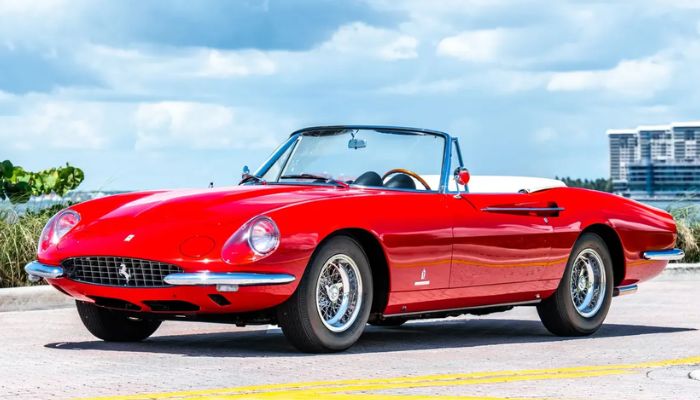
Pininfarina designed this one. Yeah, they were the geniuses behind Ferrari's really exclusive ride. The 365 California first showed up at the Geneva motor show in 1966.
Under the hood sat a 4.4-liter V12. That thing could push the car to 152 mph. Not bad for its time. But here is the real kicker. They barely made any of them.
Only 14 units were built.
So now? Super rare. One unit actually sold for $3 million back in 2013. Today, it would fetch even more.
7. Fiat 8V (114 Built, 1952-1954)
This GT gives no indication of its existence as a product of Dante Giacosa and his team. They were busy working on the Fiat 600. But the Italian company selected its 8V engine as the highest point of its product range between 1952 and 1954.
The flagship vehicle helped Fiat restore its post-World War II reputation. It reestablished connections to motorsports. The engine produced 104 brake horsepower in its basic configuration.
That met Italian laws. Those laws imposed taxes on engines exceeding certain displacement limits. Smart engineering. Only 114 units were ever built.
8. Hummer H3T (2,738 Built, 2008-2010)
General Motors owned Hummer. They turned the H3, their smallest model, into a four-door pickup. They called it the H3T in 2008.
The vehicle functioned better as an outdoor expedition vehicle. Imagine two kayaks mounted on its roof. That was its natural habitat. Not a construction site.
The H3T served as the least expensive Hummer model. It could have become the top-selling product. But the company never gave it a real opportunity. Only 2,738 units were built before Hummer shut down.
9. Jeep CJ-6 (50,172 Built, 1955-1975)
Most people think the Jeepster is the rarest Jeep. But that is not historically correct. The Jeepster first showed up in 1948. Between 1948 and 1950, Willys-Overland made about 19,132 units. That number is not tiny.
The CJ-6 instead takes the crown.
The vehicle functioned as an extended version of the CJ-5. It gave drivers 20 extra inches of space between the two axles. The actual number of people who needed this feature turned out to be extremely small. Jeep sold 50,172 units of the CJ-6 over two decades. That makes it much rarer than the Jeepster.
10. Lincoln Blackwood (3,356 Built, 2001-2002)
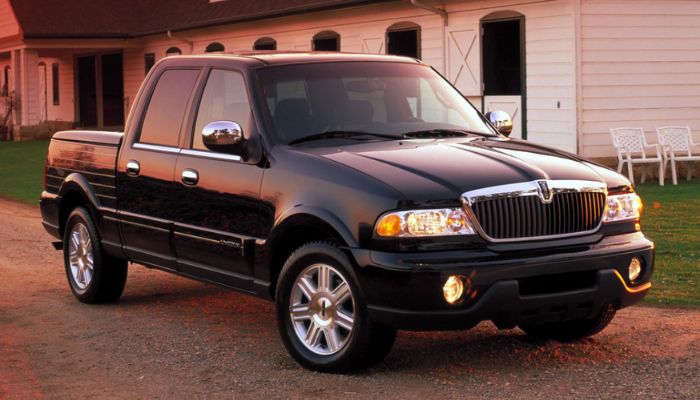
Ford created the Lincoln Blackwood from the F-150. It became so unsuccessful that the market limited its United States sales to the 2002 model year.
The Mexican market welcomed it back for the 2003 model year. But Lincoln canceled it after making only 3,356 examples.
Why did it fail? The product's actual usability fell short of what it appeared to offer. Lincoln offered the vehicle exclusively with rear-wheel drive. It also had a carpet-lined cargo box. Who carpets a truck bed? Exactly.
11. Volkswagen Beetle-Based Buggy (Cancelled)
Volkswagen planned an Australia-bound Beetle-based buggy. It would have been a fun, open-top beach car. But budget constraints killed the project.
The vehicle never reached production. No official numbers exist. But rare prototypes sometimes appear at car shows. It remains a fascinating "what if" story.
12. Honda Mass-Market Low-Volume Cars
Honda started with low-volume vehicles. Before the Civic and Accord, they built small, quirky cars. Many of those early models never reached the United States. Today, collectors search for them in Japan and Europe.
Why Do Mainstream Car Makers Build Rare Cars?
Big brands need halo cars. A halo car is a rare, expensive model that makes the brand look cool. Ferrari builds the LaFerrari. Ford built the GT. These cars lose money. But they attract attention.
Three reasons for rare cars:
- Brand image – A supercar makes regular cars look better.
- Testing new tech – Rare cars try out new engines or materials.
- Passion projects – Designers and engineers beg to build something wild.
Final Opinion: Rare Cars Tell the Best Stories
Here is my honest truth. Regular cars are boring. Rare cars have personality. They failed. They tried something weird. They cost too much. Those failures make them fascinating.
The BMW 507 lost money in the 1950s. Now it is worth $2 million. The Ferrari 365 California sold poorly. Now it is a legend. The Lincoln Blackwood was a joke. Now collectors want it.
So next time you see a weird car on the road, take a picture. It might be a forgotten gem. And one day, someone will pay a fortune for it.