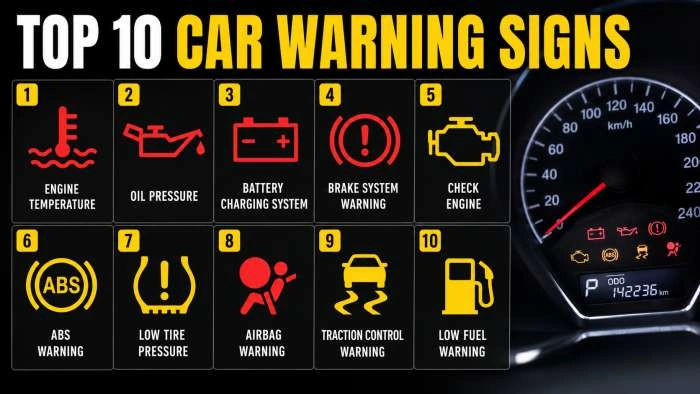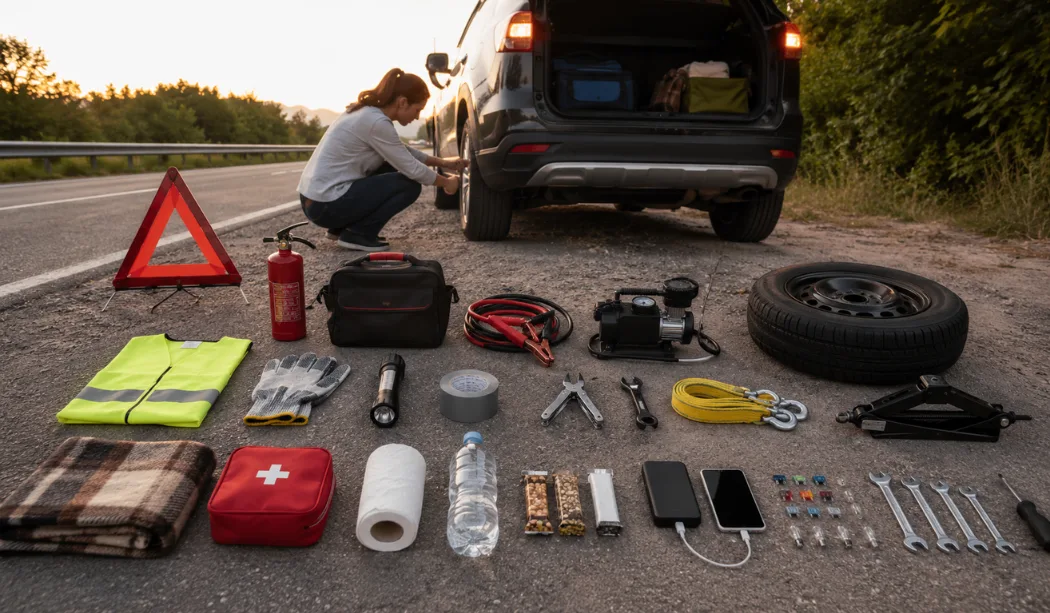
A flat tire is one of the most common roadside headaches, but it also means it’s one of the easiest things to plan for, brace yourself for, you know. Keep a well inflated spare tire along with those small tools, like a jack, lug wrench, gloves, and a flashlight. It also helps if you practice swapping a tire in your driveway, so you don’t learn the whole procedure for the first time when it actually happens.
A Dead Battery
Nothing ruins a quick stop like hearing absolutely nothing from your car, like 0 sound, no click, just silence. Jumper cables or a compact jump starter can rescue you when the battery goes dead, and they’re fairly simple to keep in the trunk. Also, peek at your battery terminals every few months for corrosion, because that crusty white buildup can turn a small problem into a very big one, real fast.
Running Out of Gas
Running out of gas is, honestly, more annoying than pretty much anything else, but still, that doesn’t mean it can’t totally derail your trip. First and foremost, keep your tank above a quarter full, especially when you do road trips or late-night drives in less populated zones. If that fails, a small emergency fuel container can come in handy in certain moments, although make sure you store it empty.
Engine Overheating
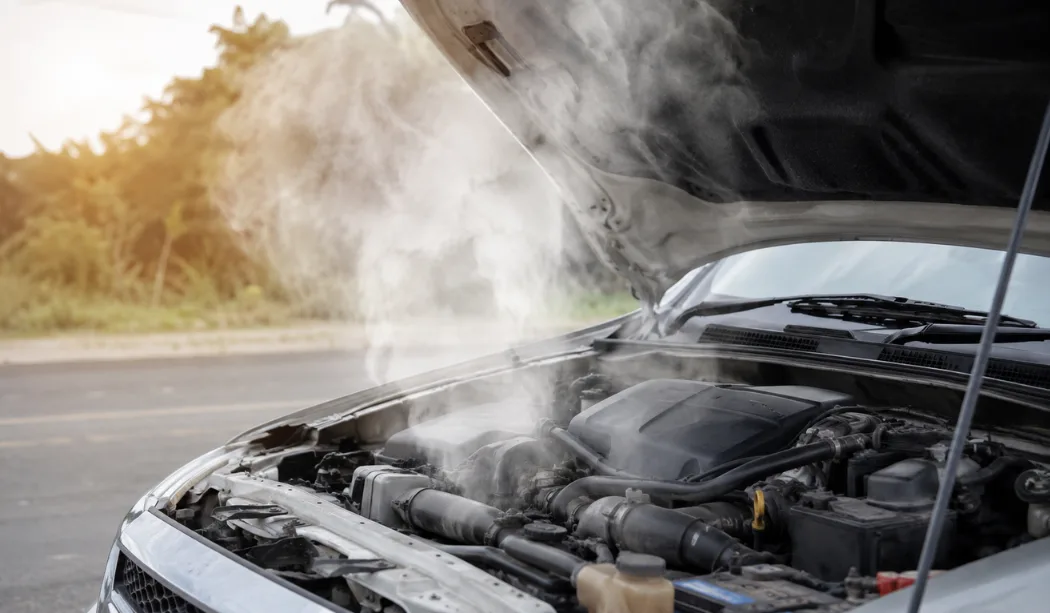
An engine that’s getting too hot can start out as some minor annoyance, then turn into a very costly mechanic’s bill, you know. So you should have coolant in your emergency kit. You also should pull over pretty quickly once the temperature gauge climbs, or if you see steam showing up from under the hood. (Pro tip: don’t take off the radiator cap while the engine is still hot, because the built-up pressure can throw scalding coolant around and it can really burn you).
Read also: The Ultimate Tata Tiago Tyre Guide: Size, Pressure and Prices in India
Getting Stuck in Snow
No mistake, getting stuck in the snow it’s not cozy or really a small nudge. It can be a life and death situation, if you aren’t prepped. A foldable snow shovel, traction mats, kitty litter, and an ice scraper can help you work your way out, when your tires start spinning, and spinning. Before winter actually hits, look over your tire tread, and top off your windshield washer fluid too.
A Sudden Downpour
Much like snow, heavy rain obliterates visibility so fast that even roads you know by heart turn into blurs, like, everything is smudged. With fresh wiper blades, working headlights, and a fully topped washer fluid reservoir, you’ve got a better shot at catching all the important things. If the rain gets intense enough that traffic crawls, pull into a safe lot instead of trying to ride it out.
A Cracked Windshield
A tiny windshield chip only looks like nothing— and somehow that’s exactly how it gets you. It’s usually just one bump or a temperature swing, then the damage can spread across the glass, so keep clear tape in your glove box. You can put a cover on a fresh chip, for a short moment, and it helps block grit or moisture from sliding into the crack.
A Locked Car with Keys Inside
Locking your keys in the car can make you feel silly, but it’s also a classic misstep we all run into at least once. Don’t stress; a trustworthy roadside assistance plan or a spare key kept in your wallet can help you avoid standing around in a parking lot.
A Tire Blowout
Even if they kind of sound alike, a blowout isn’t the same as a slow flat, because one can actually jolt the car pretty fast. Also it asks for calm, careful steering, right away, not later. Try this: keep both hands on the wheel, ease up on the gas, and don’t just slam the brakes as you steer the vehicle toward a safer place.
A Minor Fender Bender
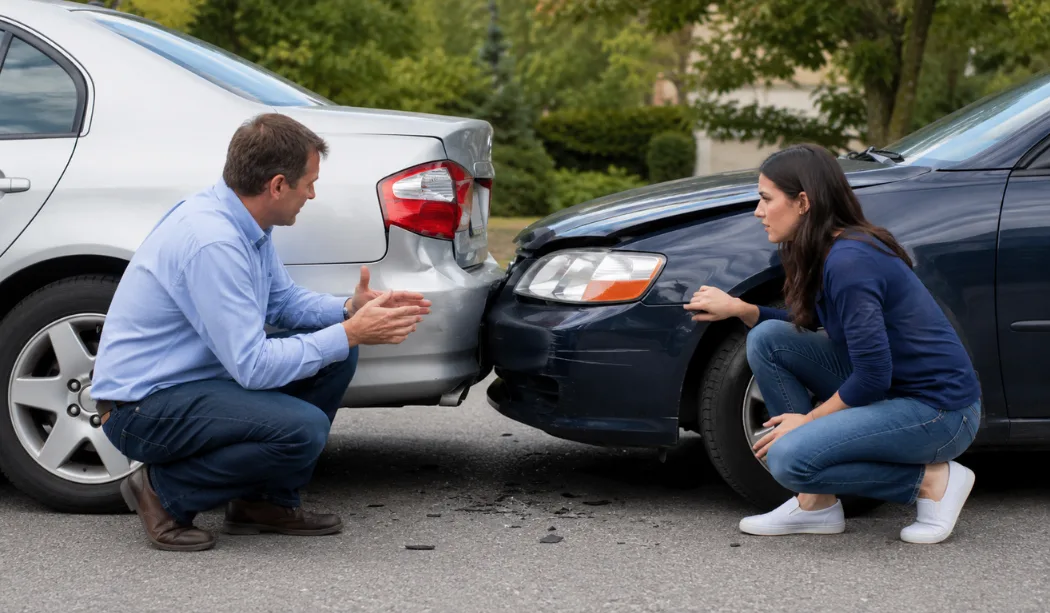
Even a low speed bump in a parking lot can feel kinda jarring, so don’t just brush off the little stuff. Make sure you keep your insurance card, registration, a pen, and a small notepad in the glove box so you can trade info pretty quick. Also take photos of the vehicles, the license plates, road signs, and the wider scene, since those small details are usually more helpful than memory ever is.
Read also: 5 Most Expensive Cars in India: Specs of Multi-Crore Icons
Losing Cell Service
The last thing we want in today’s day and age is bad cell service, especially when we need directions or when we’re in an unfamiliar town. It’s easily remedied though! Download offline maps before a road trip, and keep a written list of emergency contacts, hotel addresses, and your destination.
FAQ's
1. How far behind my car should I place reflective triangles during a breakdown?
If you drive on normal roads, put your first warning triangle around 45 meters (approx. 150 feet) in front of your car. If you're traveling at a high speed you can extend the distance up until 100 metres (approx. 300 feet). Make sure to place them on the shoulder or behind the guardrail. Never step directly into the traffic lanes.
2. What is the safest way to exit the vehicle if I break down on a busy highway?
If you need to leave the vehicle to search for refuge behind a barrier on the highway, always exit through the door on the passenger side and away from traffic. If the traffic is going in a way that is too fast, or there is no shoulder room to safely exit remain inside the car by securing your seatbelt close the doors and make sure your hazard lights remain on while waiting to receive assistance from a professional.
3. Can I pour water immediately into an overheated engine?
Never add cold water to an engine with a burning heat. The sudden temperature decrease could crack the block of engine. Make sure you are safe, then turn off the engine and wait for it to cool (at minimum 20-30 minutes) prior to lifting the hood and by adding water and coolant.
4. How do I prevent carbon monoxide poisoning if I get stuck in mud or snow?
If you find your vehicle impaled in a ditch snowdrift or in deep dirt, always check that the exhaust pipe in your vehicle is free before you leave the engine in motion to warm. If your tailpipe has been inaccessible due to snow, mud or even debris, the deadly carbon monoxide gas could rapidly build up and then escape into your interior of the cabin.