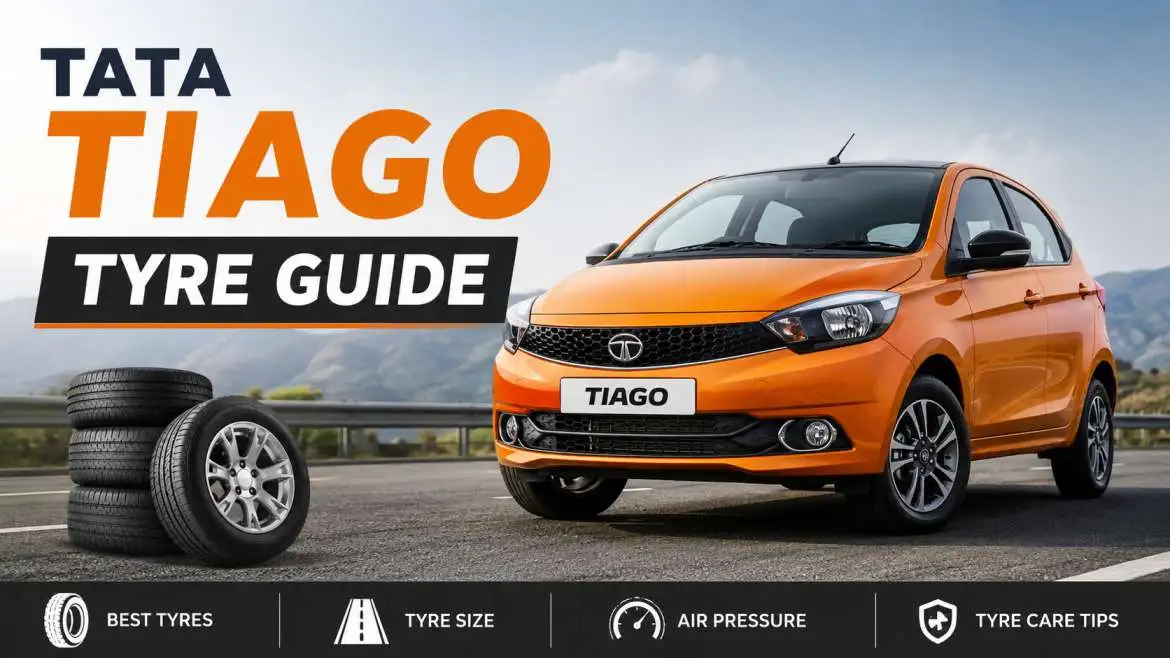
Let’s be honest, most of us completely forget to check our car tires until there is a problem. If you drive a Tata Tiago, giving your rubber a little attention goes a long way. This quick guide gives you the honest breakdown on the right tire pressure, correct sizes, and actual replacement costs. We kept things simple and skipped the boring mechanic talk, so any Tiago owner can get exactly what they need in two minutes.
Why Tyre Pressure Matters for Your Tiago

The right air pressure in tyres is crucial. It affects many aspects of driving. Safety is the primary concern. Fuel economy is also impacted. Tyre life depends heavily on correct pressure. Comfort during drives is influenced as well.
The Recommended PSI Levels
Tyre pressure is measured in PSI. This stands for Pounds per Square Inch. The Tata Tiago has specific recommendations. These values are provided by the manufacturer.
- Front tyres when lightly loaded: The pressure should be 33 PSI.
- Rear tyres when lightly loaded: The pressure should be 30 PSI.
- When the car is fully loaded: An extra 3 PSI should be added to all tyres. This compensates for the additional weight.
These figures are for cold tyres. The pressure will increase when tyres become warm. Accurate readings are obtained from cold tyres.
You may also read :- AWD Vs 4WD Difference Explained: Which Is Best For You?
Cold Inflation vs Hot Inflation
The term "cold tyre" has a specific meaning. It refers to a tyre that has not been driven for three hours. It could also mean a tyre driven for less than one mile at low speed. Pressure readings taken at this time are most accurate.
Driving causes tyres to heat up. The air inside expands. This results in a higher PSI reading. A hot tyre can show 2-3 PSI more. Always rely on cold inflation figures. This ensures the best performance and safety.
Consequences of Incorrect Pressure
Both over-inflation and under-inflation are harmful. Each condition causes different problems.
Problems from under-inflated tyres:
- The sidewalls flex too much. This generates excessive heat.
- Heat buildup can lead to tyre failure.
- Rolling resistance increases significantly.
- Fuel consumption rises by 3-5%.
- The tread wears more on the edges.
Problems from over-inflated tyres:
- The ride becomes harsher.
- The centre of the tread wears faster.
- The tyre is more susceptible to damage from potholes.
- Traction is reduced on wet roads.
The Various Tyre Sizes for Tata Tiago
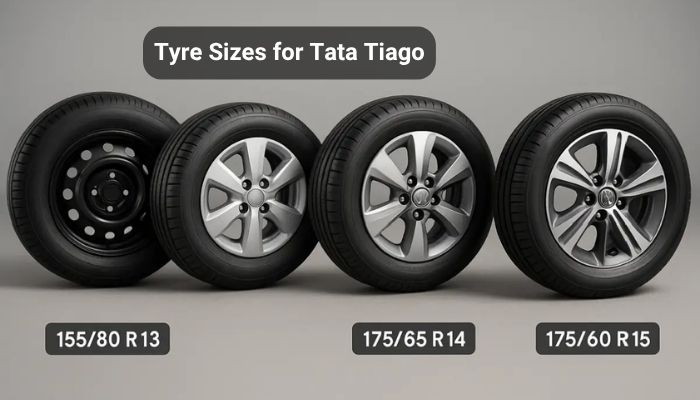
Different variants of the Tiago use different tyre sizes. The size is determined by the trim level. Base models have smaller tyres. Top-end models have larger tyres. Each size offers distinct characteristics.
Size Details According to Variant
The Tata Tiago lineup includes several variants. Each variant has a specific tyre specification. The wheels also differ in material and diameter.
| Variant | Tyre Size | Wheel Type and Diameter |
|---|---|---|
| XE Base Model | 155/80 R13 | 13-inch Steel Wheels |
| XM, XT, XTA | 175/65 R14 | 14-inch Steel Wheels |
| XZ, XZA Top Models | 175/60 R15 | 15-inch Alloy Wheels |
| CNG Variants | 175/65 R14 | 14-inch Steel Wheels |
Decoding Tyre Size Numbers
Understanding tyre size is quite simple. The numbers are not random. Each component has a meaning.
Take the size 175/65 R14 as an example:
- 175: This is the section width. It indicates the tyre's widest point from sidewall to sidewall. The measurement is in millimetres.
- 65: This represents the aspect ratio. It is the sidewall height expressed as a percentage of the width. A lower number means a lower profile.
- R: This letter signifies radial construction. Almost all modern car tyres are radial. The plies run radially across the tyre.
- 14: This is the rim diameter. It indicates the wheel size that the tyre fits. The measurement is in inches.
How Tyre Size Affects Driving
The choice of tyre size impacts driving dynamics. Each size offers a different experience.
13-inch tyres characteristics:
- They are lighter in weight.
- This results in better fuel efficiency.
- Acceleration is slightly quicker.
- The ride is somewhat more comfortable.
- Handling is less precise compared to larger sizes.
14-inch tyres characteristics:
- This is the most common size for the Tiago.
- It offers a good balance between comfort and handling.
- Tyre options are widely available.
- Prices are reasonable for this size.
15-inch tyres characteristics:
- They are wider and provide better grip.
- Cornering stability is improved.
- The steering feels more responsive.
- The ride can be firmer on rough roads.
- Replacement costs are higher.
Understanding Tata Tiago Tyre Prices in India
Tyre prices vary considerably. The size is the primary factor. The brand also influences the cost. The type of tyre plays a role too. This guide covers current price ranges.
Price Ranges for Different Sizes
The following are approximate price ranges. Prices are for a single tyre. These figures are for the Indian market. They may change based on location and offers.
- 13-inch tyres (155/80 R13): The price range is 2,800 to 4,500 per tyre. This size is generally the most affordable.
- 14-inch tyres (175/65 R14): The price range is 3,500 to 6,700 per tyre. This is the most commonly purchased size.
- 15-inch tyres (175/60 R15): The price range is 4,500 to 8,500 per tyre. This size commands the highest price.
Brand-specific Price Comparison
Several tyre brands are available for the Tiago. Each brand has its own pricing strategy. Some brands are premium. Others are more budget-friendly.
| Brand | Tyre Size | Approximate Price Per Tyre |
|---|---|---|
| MRF | 175/65 R14 | 4,290 to 5,000 |
| MRF | 175/60 R15 | 5,500 to 6,500 |
| Apollo | 175/65 R14 | 4,880 to 5,020 |
| Apollo | 175/60 R15 | 5,500 to 6,500 |
| Bridgestne | 175/65 R14 | 5,460 to 6,719 |
| CEAT | 175/65 R14 | 4,115 to 5,000 |
| Yokohama | 175/65 R14 | 5,380 to 6,000 |
Purchase Options: Dealerships and Online Retailers
Tyres can be bought from two main sources. Each source has its own advantages.
Authorised dealerships:
- Tyres are available immediately.
- Installation is done on the spot.
- Warranty is honoured directly.
- Prices are typically higher by 10-15%.
Online tyre retailers:
- Discounts can be quite significant.
- Savings of up to 20% are possible.
- Home delivery is offered.
- Tyres can be sent to partner garages for fitment.
- Installation charges are usually extra.
Total Cost for a Full Set
Replacing all four tyres is often recommended. This ensures uniform performance. The cost of a full set depends on the chosen tyre.
- Single tyre cost: 3,500 to 8,500.
- Full set cost (four tyres): 14,000 to 34,000.
- Installation charges: Usually 200-400 per tyre.
- Old tyre disposal fee: Some shops charge 50-100 per tyre.
Selecting the Right Tyre Brand for Your Needs
How do you pick the absolute best tire brand for your car? It really comes down to how and where you drive every day. Some brands focus entirely on smooth highway cruising, while others are built to handle rough, pothole-filled roads. You also have to think about your own daily commute and, of course, how much cash you want to spend. Balancing your budget with your actual driving habits is the real trick to finding the perfect match.
Premium Tyre Options
Premium brands offer advanced features. They use better rubber compounds. The tread patterns are more sophisticated. These tyres provide superior performance.
Michelin Energy XM2+:
- This tyre is known for excellent wet grip.
- The braking distance is shorter on wet roads.
- The tread life is longer than many competitors.
- The ride is quiet and comfortable.
Bridgestone B250:
- This tyre is built for durability.
- A tread life warranty of over 50,000 km is offered.
- The silica compound provides good grip.
- Performance is balanced in dry and wet conditions.
Continental UltraContact UC6:
- This tyre offers excellent handling.
- The braking is precise and responsive.
- The noise levels are kept low.
- The tyre is designed for Indian road conditions.
Value-for-Money Options
Budget-friendly tires are an incredibly popular choice for a reason. They get the job done well without forcing you to empty your wallet, making them the perfect pick if you just need something reliable for your daily drive to work or school.
MRF ZVTV:
- This is an affordable tyre option.
- Sporty handling is provided.
- Dry grip is very good.
- The tyre is manufactured in India.
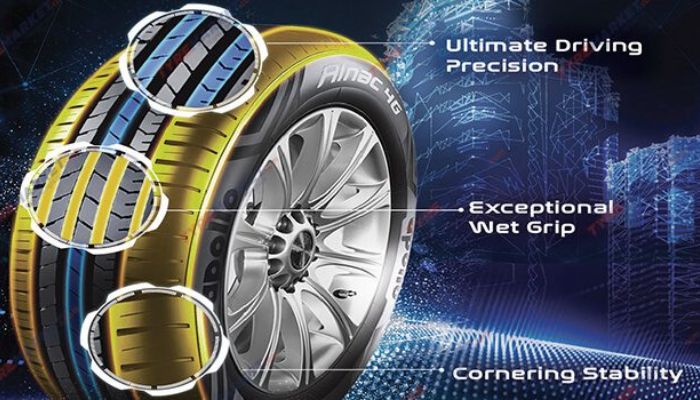
Apollo Alnac 4G:
- Robust construction is a key feature.
- It is built to handle Indian roads.
- The tyre is budget-friendly.
- Good durability is offered.
CEAT Milaze:
- Deep tread grooves are present.
- This tyre is suitable for mixed terrain.
- It is an affordable all-rounder.
- The tyre performs well on wet roads.
Essential Tyre Maintenance Practices
Maintenance is the key to tyre longevity. Tyres can last longer with proper care. Safety is also improved. This section covers essential maintenance practices.
Regular Pressure Checks
Tyre pressure should be checked frequently. A monthly check is recommended. The spare tyre should also be checked. Use a reliable pressure gauge. Check pressure before long trips.
Understanding Tyre Rotation and Alignment
Tyres wear unevenly over time. Rotation helps to even out this wear.
- Rotation: This involves moving tyres from one position to another. It is recommended every 8,000-10,000 km. This promotes even tread wear across all tyres.
- Alignment: This adjusts the angles of the wheels. It ensures they are parallel. It also ensures they are perpendicular to the ground. Poor alignment causes uneven wear. It can also cause the car to pull to one side. Alignment should be checked every 10,000 km. It should also be checked after hitting large potholes.
Recognising When to Replace Tyres
Tyres do not last forever. There are clear signs for replacement.
Tread depth indicator:
- Every tyre has tread wear indicators. These are small bars in the grooves.
- When the tread wears down to these bars, replacement is needed.
- A simple coin test can also be used.
- Insert a coin into the tread groove. If the coin is fully visible, the tread is too low.
Sidewall damage:
- Cracks on the sidewall are a sign of aging.
- Bulges indicate internal damage.
- These tyres should be replaced immediately.
- Driving on damaged sidewalls is dangerous.
Age of the tyre:
- Tyres degrade over time, even if not used.
- Rubber compounds harden and crack.
- Tyres should be replaced every 5-6 years.
- The manufacturing date is printed on the sidewall.
- It appears as a four-digit number (e.g., 3525 means week 35 of 2025).
The Spare Tyre Information
The Tata Tiago comes with a spare tyre. It is stored under the trunk floor.
- Tyre Size: The spare tyre is 155/80 R13.
- Type: It is a compact temporary spare tyre.
- Usage Guidelines: This tyre is for temporary use only. It is smaller than the regular tyres. The maximum speed should not exceed 80 km/h. The maximum distance is limited to 80 km. The handling will be different with this tyre.
Upgrading Tyres: What to Consider
Some owners consider upgrading their tyres. A larger size or different brand is chosen. Several factors must be considered before upgrading.
Upsizing Pros and Cons
Upsizing means fitting larger tyres. For example, moving from 14-inch to 15-inch wheels.
Advantages of upsizing:
- Better grip and traction are achieved.
- Cornering stability is improved.
- The car's appearance is enhanced.
- Steering response becomes sharper.
Disadvantages of upsizing:
- Fuel efficiency is reduced.
- The ride becomes firmer.
- The speedometer will show an incorrect speed.
- Replacement tyres cost more.
- Acceleration may feel slightly slower.
Legal and Warranty Implications
Changing tyre size can affect the warranty. It may also affect insurance claims.
- Modifications should be done within a certain limit. The oerall diameter should not change by more than 3%.
- Some dealers may void the warranty. This happens if suspension parts are affected.
- Insurance companies should be informed. They may consider this a modification.
- The speedometer and odometer readings change. This affects the accuracy of recorded mileage.
Conclusion
The Tata Tiago's tyres are a critical component. Proper pressure ensures safety and fuel efficiency. The correct tyre size maintains optimal performance. Choosing the right brand aligns with driving needs. Regular maintenance extends the life of the tyres. This guide has covered all these aspects. Every Tiago owner can now make informed decisions. Safe driving begins with well-maintained tires.