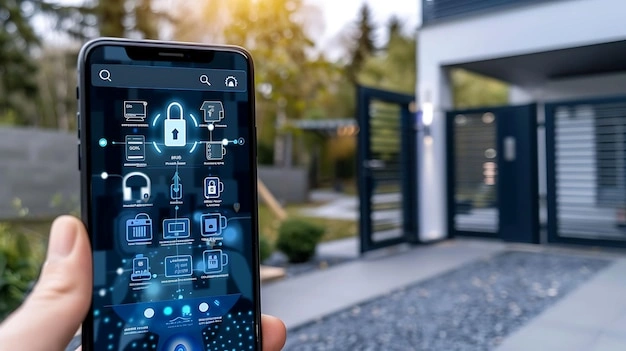
Your data is everywhereon your phone, in the cloud, on work computers, and even in tiny smart gadgets at home. Every time you shop, text, or scroll social media, you're leaving digital footprints. Hackers, snoops, and companies want that info. And keeping your data private seems harder every year. That's why you need to know about the latest cybersecurity innovationsstuff that's changing how we stay safe online. You're about to see the tools and tricks that make your digital life way more private, even as tech keeps pushing ahead. Ready? Let's make your future a little safer.
Why is Data Privacy Getting Harder?
Data privacy means making sure only youand those you choosecan see your info. This gets tricky because we've got more devices, more logins, more streaming, and more risks. Hackers get smarter every day. But it's not just criminals. Companies want your data for ads and sales. Governments want it for security. The bad news? You can't unplug forever. The good news? New tools and smarter habits make a big difference.
What Are the Top Cybersecurity Innovations Right Now?
- Biometric Security: Uses your fingerprint, face, or even your voice to unlock accounts and devices. Way harder to fake than a password.
- Multi-Factor Authentication (MFA): Adds extra stepslike codes sent to your phonebefore anyone can log in. Yes, it's annoying sometimes, but it blocks tons of attacks.
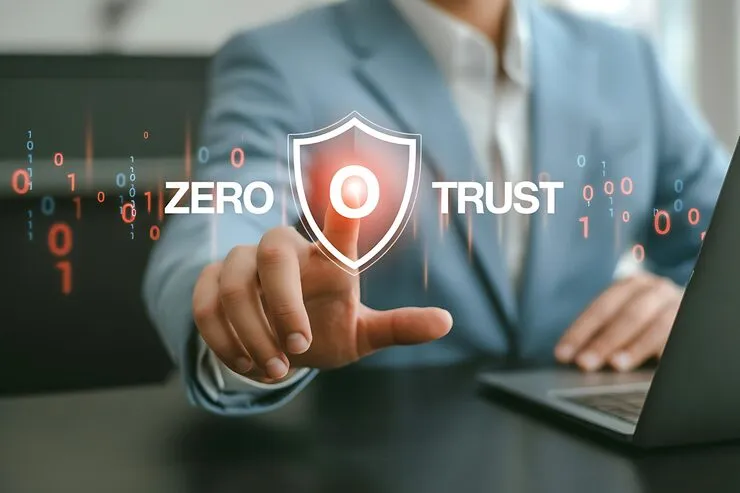
- Zero Trust Networks: It's like bouncers checking your ID at every door. Every device, every person, every time.
- End-to-End Encryption: Scrambles your messages and data so only you and the person you're talking to can read them.
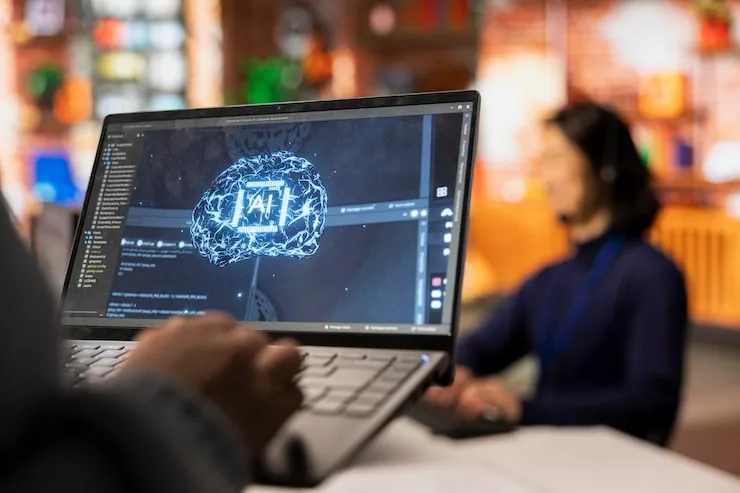
- AI-Powered Threat Detection: Smart programs watch for weird activity and shut down attacks before you know there's a problem.
- Decentralized Identity Tools: Instead of one company owning your info, you keep it in your control and share it only when needed.
- Privacy-Focused Browsers: Blocks trackers and cookies that follow you all around the web. Some even disguise your searches.
- Personal Firewalls and VPNs: Hide your online activity, especially on public WiFi. Think of it like a cloak for your internet traffic.
How Does Biometric Security Actually Work?
Biometric security lets you unlock devices with a fingerprint, your face, or even your voice. It works because these features are unique to you. That means even if someone steals your password, they can't fake your thumb. But there are some catches. For example, a smudge or a bad camera angle might block access. Plus, if a hacker somehow copies your print or face scan, you can't change that like a password. It's mostly safe, but still needs a good backup.
Is Multi-Factor Authentication Worth the Hassle?
MFA makes hackers lives miserable. Even if they get your password, they need something elsemaybe a text code, fingerprint, or security app. Most big hacks could have been stopped if people used MFA. Is it a hassle? Yeah, sometimes youll fumble to find your phone when logging in. But its way less hassle than fixing a hacked account.
Whats the Deal with Zero Trust?
Zero trust means you dont automatically trust anythingnot even devices or users on your own WiFi. Every device, app, and person has to prove who they are every time. Think of it like airport security. A bit slow, but much safer. Companies use it, but you can borrow the idea: dont auto-save logins, avoid using public WiFi for private stuff, and always double-check before sharing information.
How Does End-to-End Encryption Change Things?
End-to-end encryption locks your messages so only the sender and receiver can see whats inside. Not even the app company can peek. This is what WhatsApp and Signal use to keep messages private. But if you lose your device or forget your password, you might lose your chats. You trade a little convenience for a lot more privacy protection.
How Does AI Help with Online Security?
AI in cybersecurity scans for signs of weird stufflike someone logging in from a country youve never been to, or suddenly downloading files at 3 AM. AI catches things humans would miss. The flipside? Hackers use AI too, so its an ongoing battle. It's not perfect, but its a solid line of defense for digital privacy tools everywhere.
What Are Decentralized Identity Tools?
Right now, dozens of companies might have your name, address, and birthdate. Decentralized identity tools give control back to you. You keep all your info in your digital wallet and only share whats neededlike showing your age but not your full birthday. Still new, but growing fast as the future of cybersecurity shifts to give more privacy power to individuals.
Why Should You Care About Privacy-Focused Browsers?
Browsers like Brave or Tor stop ads and trackers from stalking you online. You notice fewer creepy targeted ads and less data leaks. Downside: some sites might not work perfectly, and you may have to tweak settings. But for many, the boost in privacy protection is worth it.
Do You Need a VPN or Personal Firewall at Home?
VPNs hide your web traffic so snoops and hackers cant spy on what youre doingeven on sketchy public WiFi. Firewalls block nasty stuff from reaching your devices. Both take a minute to set up but are like putting a lock on your front door. Not bulletproof, but way safer than nothing.
What Could Go Wrong with These Innovations?
- Getting locked out when a fingerprint scanner wont work
- Losing access to encrypted messages by forgetting login info
- AI flagging normal activity as a threat (it happens!)
- Privacy tools sometimes make things slower or mess with websites you like
Nothings perfect. But most problems have workarounds: keep back-up access methods, write down recovery codes somewhere safe, and dont rely on just one tool.
How Can You Start Protecting Your Privacy Today?
- Turn on multi-factor authentication for important accounts
- Test out a privacy-focused browser
- Update your passwords and use a password manager
- Check app permissions and remove any you dont trust
- Learn about VPN options, even free ones, before traveling or using public WiFi
Start with one new habit or tool, not all at once. Small changes stack up over time.
Staying Ahead: What to Expect in the Future of Cybersecurity
The future of cybersecurity is all about making privacy simple for regular people, not just tech geeks. Expect to see even smarter AI, more user-friendly tools, and stronger privacy rules. But remember, hackers never stop learning. Keeping an eye on the latest cybersecurity innovations means youre less likely to get caught outand more likely to enjoy a safer, stress-free online life.
- New biometric methodslike heart rhythms and even brainwavesare being tested
- AI will handle more of your security, but human habits still matter
- Decentralized IDs could become normalthink digital drivers licenses everywhere
The bottom line? You dont need to be a tech expert. Try out a few smart tools, tighten up your habits, and youll feel more in control. Protect your privacy today so future you doesnt have to clean up the mess.
FAQs About Cybersecurity Innovations and Privacy Protection
- What is the best cybersecurity innovation for personal privacy?
There isnt one best answer for everyone, but using multi-factor authentication is a huge upgrade for most people. Adding this to your main accounts keeps hackers out, even if they crack your password. It's fast, effective, and doesnt need any technical know-how. - How does a VPN help with data privacy?
A VPN hides where youre browsing from and scrambles your onlie activity. That means hackers, internet providers, and even public WiFi snoops cant see what sites you visit or what you type. Its simple softwareyou just turn it on before you go online. - Are password managers safe to use?
Yes, most trustworthy password managers are very safe. They store your passwords in a locked vaultprotected by one strong master password. Just pick a reliable company, and dont use the same password everywhere. If you forget your master password, you could be locked out. - Can privacy-focused browsers replace my regular browser?
They can for most people, but you might notice some websites act weird or block you. These browsers block ads and trackers, which is great for privacy but not always great for web features. You can always keep both a standard and a privacy browser and use whichever fits the situation. - Why do hackers target regular people?
Because its easier than going after big companies. Hackers often use simple trickslike fake emails or messagesto steal passwords and info. Regular people usually have weaker protection, so beefing up your security makes you a much harder target. - What can I do if I think my data was stolen?
Change your passwords fast, especially for sensitive accounts like email and banks. Enable multi-factor authentication if you havent already. Keep an eye on accounts for weird activity, and get in touch with your bank or the service provider if you spot anything odd. Acting fast limits the damage and helps recover your privacy.