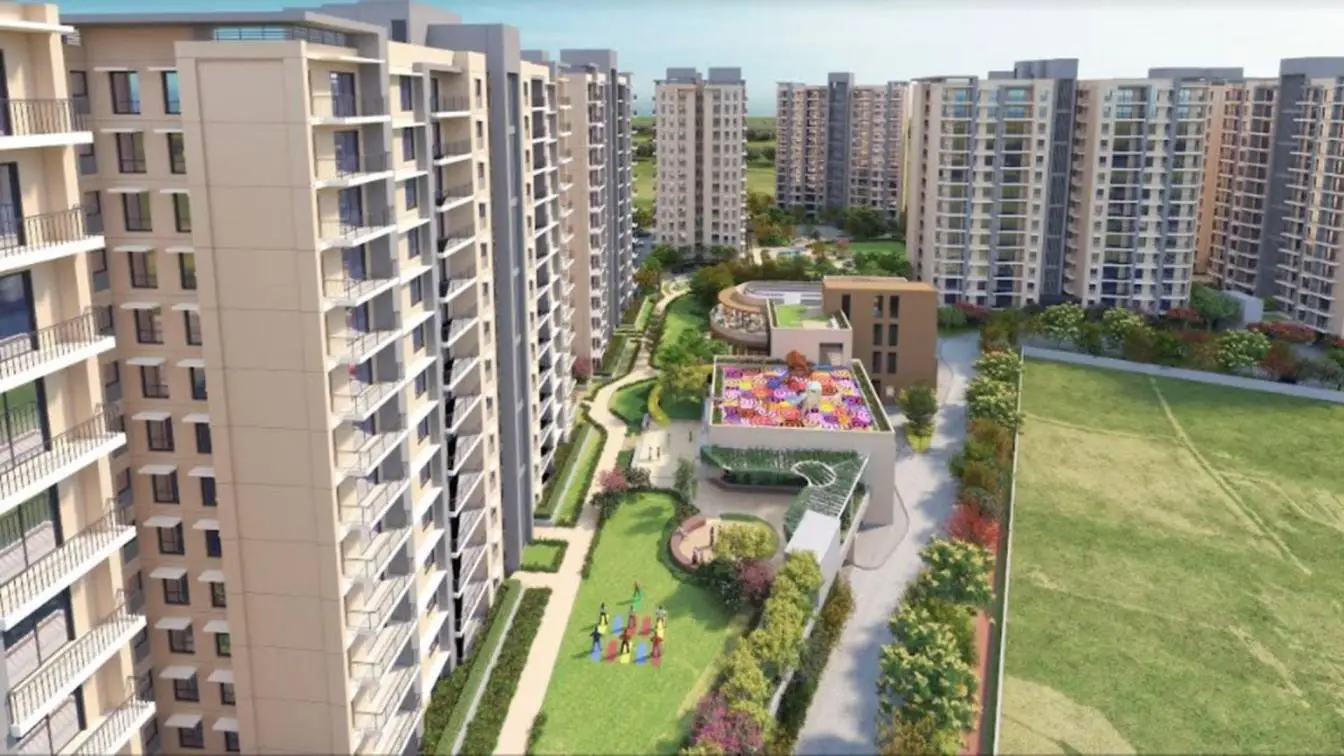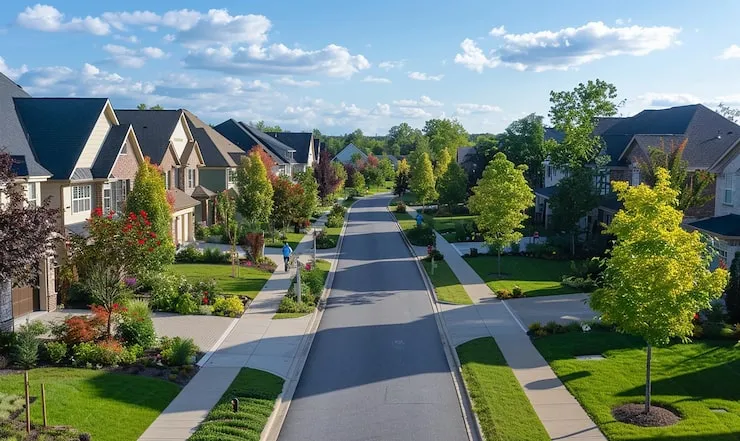
Cities are living, breathing entities, constantly evolving and reshaping themselves. While established districts anchor a city's history, emerging neighborhoods pulse with the energy of change, innovation, and potential. These are the areas on the cusp of transformation, where artists, entrepreneurs, and young families plant the first seeds of community. This article delves into the dynamic world of emerging neighborhoods, exploring what defines them, why they captivate our imagination, and how to identify the next urban frontier.
What Exactly Are Emerging Neighborhoods?

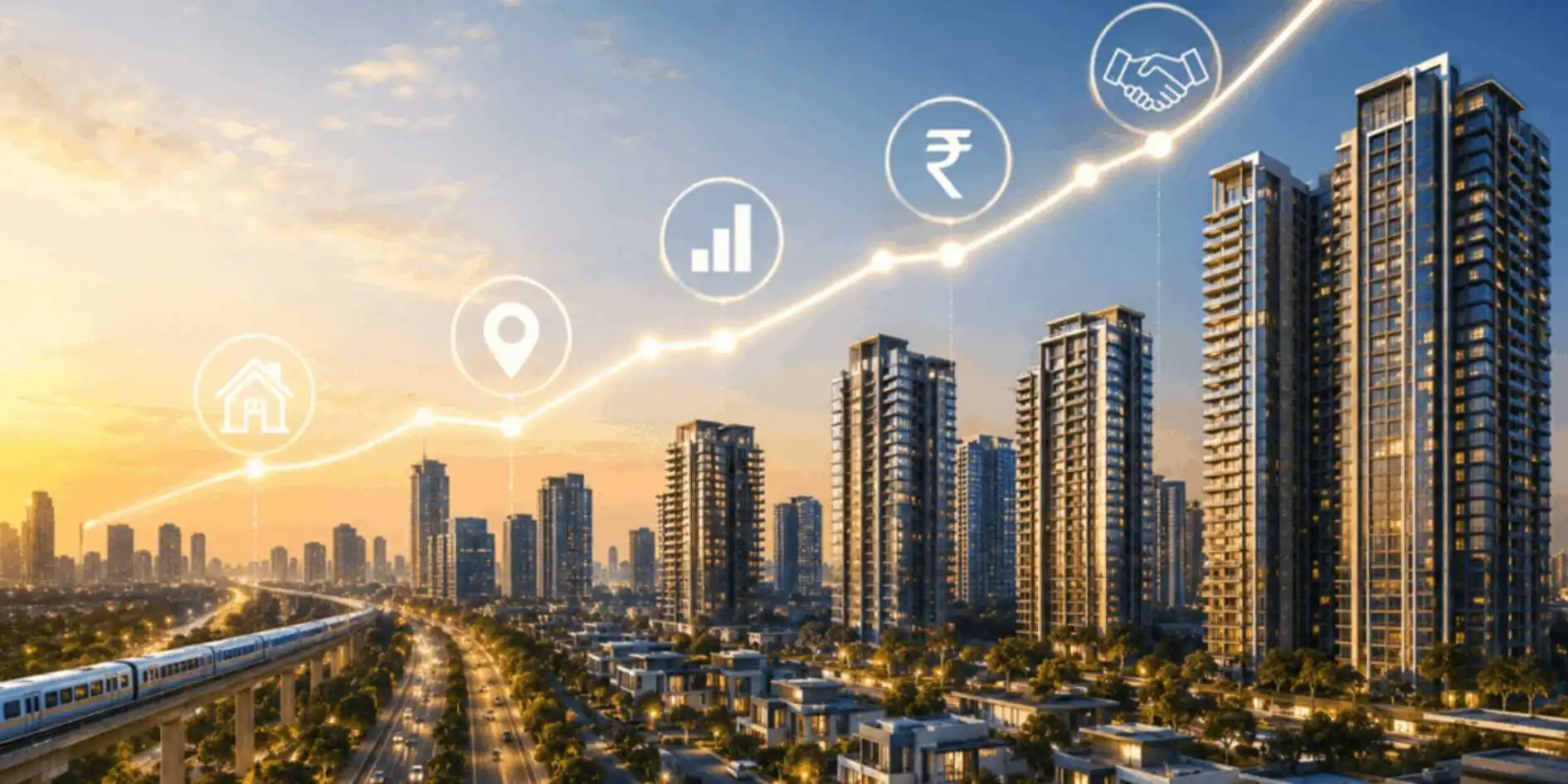
Emerging neighborhoods are geographic areas within a city that are undergoing a significant, upward transition in terms of investment, amenities, population, and cultural cachet. They exist in that sweet spot between "up-and-coming" and "fully established." Unlike gentrified areas that have already seen steep price hikes, emerging neighborhoods offer a glimpse of authenticity mixed with new energy.
The lifecycle of an emerging neighborhood typically follows a pattern. It often starts with lower property values, attracting pioneers like artists and small business owners seeking affordable space. This influx brings unique cafes, galleries, and boutiques. Word spreads, drawing more residents and incremental infrastructure improvements. Finally, larger developers and more established chains take notice, cementing the area's new status.
The Key Indicators of an Emerging Neighborhood
So, how can you spot an emerging neighborhood before it's common knowledge? Look for these telltale signs:
-
Commercial Pioneers: The arrival of independent coffee shops, niche restaurants, craft breweries, and boutique fitness studios often precedes broader change. These are businesses that attract a creative, community-oriented crowd.
-
Infrastructure Investment: Noticeable public works—new parks, improved streetscapes, public transit extensions, or bike lane additions—signal municipal confidence and future growth.
-
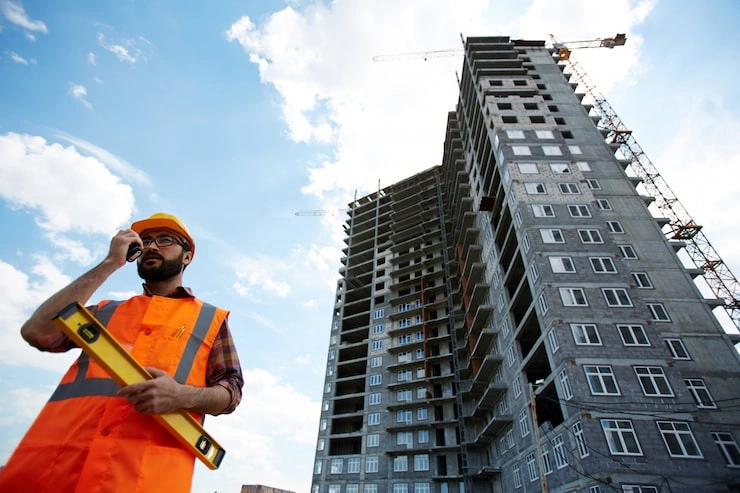
Real Estate Activity: A shift from "For Sale" signs to "Sold" signs, an increase in renovation permits, and the conversion of old warehouses into lofts or studios are strong physical indicators.
-
Cultural Hubs: The establishment of artist collectives, community theaters, co-working spaces, or weekly farmers' markets fosters a sense of place and attracts like-minded individuals.
The Allure and Impact of Emerging Neighborhoods
The magnetism of emerging neighborhoods is multifaceted. For residents, they offer a chance to be part of building a community, often with more affordable entry points than polished districts. The vibe is typically more authentic, diverse, and dynamic.
Economic and Social Revitalization
The rise of emerging neighborhoods drives significant urban revitalization. Neglected buildings find new purpose, local economies are stimulated by small businesses, and increased tax revenue can fund better city services. These areas often become catalysts, lifting the prospects of adjacent communities and reducing urban blight.
However, this growth comes with a critical responsibility: managing change inclusively. The very appeal of an emerging neighborhood can lead to displacement of long-term residents and small businesses if not carefully stewarded. Successful models prioritize equitable development—policies like affordable housing mandates, support for legacy businesses, and community land trusts that ensure the neighborhood's original character and residents aren't lost in the transition.
The Lifestyle Draw: Authenticity and Community
For many, the appeal of emerging neighborhoods lies in their authenticity. You won't find identical chain stores on every corner. Instead, there’s a sense of discovery—a family-run taqueria next to a vintage vinyl shop, a pop-up art installation in a formerly vacant lot. This creates a strong, organic sense of community where people engage with their local merchants and neighbors.
How to Engage Responsibly with an Emerging Neighborhood
Whether you're considering a move, an investment, or simply exploring, engaging with emerging neighborhoods thoughtfully is crucial.
For Potential Residents: Immerse yourself. Visit at different times of day, talk to local shop owners, and research community plans. Understand the trajectory and ensure it aligns with your long-term needs. Renting before buying can provide valuable insight.
For Investors and Businesses: Look beyond short-term gains. Consider investments that add value to the community's fabric—like renovating a multi-family building or opening a business that serves existing residents. Partner with, rather than displace, the community that laid the groundwork.
For Visitors and Supporters: Be a conscious consumer. Patronize the independent businesses that make the area unique. Attend local events and respect the neighborhood as a lived-in community, not just a trendy destination.
Case Studies: The Anatomy of Emergence
Examining real-world examples helps illustrate the concept. In cities like Berlin, emerging neighborhoods like Neukölln transformed from a working-class district to a global hub for artists and startups, driven by affordability and cultural exchange. In the U.S., cities like Detroit have seen areas like West Village emerge through a combination of historic preservation, grassroots business development, and strategic public-private partnerships, showcasing resilience and community-led renewal.
These cases underscore that while the specifics vary, the core elements of emerging neighborhoods—affordable space, cultural pioneers, and a collaborative spirit—remain consistent.
The Future of Urban Development
The trend toward emerging neighborhoods is likely to accelerate as remote work allows people to prioritize lifestyle and affordability over proximity to a central business district. The future of these areas hinges on sustainable and inclusive planning. The most successful emerging neighborhoods of tomorrow will be those that balance growth with preservation, innovation with inclusivity, and economic vitality with community identity.
Conclusion: The Ever-Evolving Cityscape
Emerging neighborhoods are more than just real estate trends; they are the frontiers of urban life. They represent the ongoing story of a city—a story of renewal, creativity, and community. By understanding their dynamics, supporting their growth responsibly, and championing equitable development, we can ensure that these vibrant districts enrich the entire urban ecosystem. The next time you wander into a part of town buzzing with new energy, you might just be witnessing the birth of an emerging neighborhood.