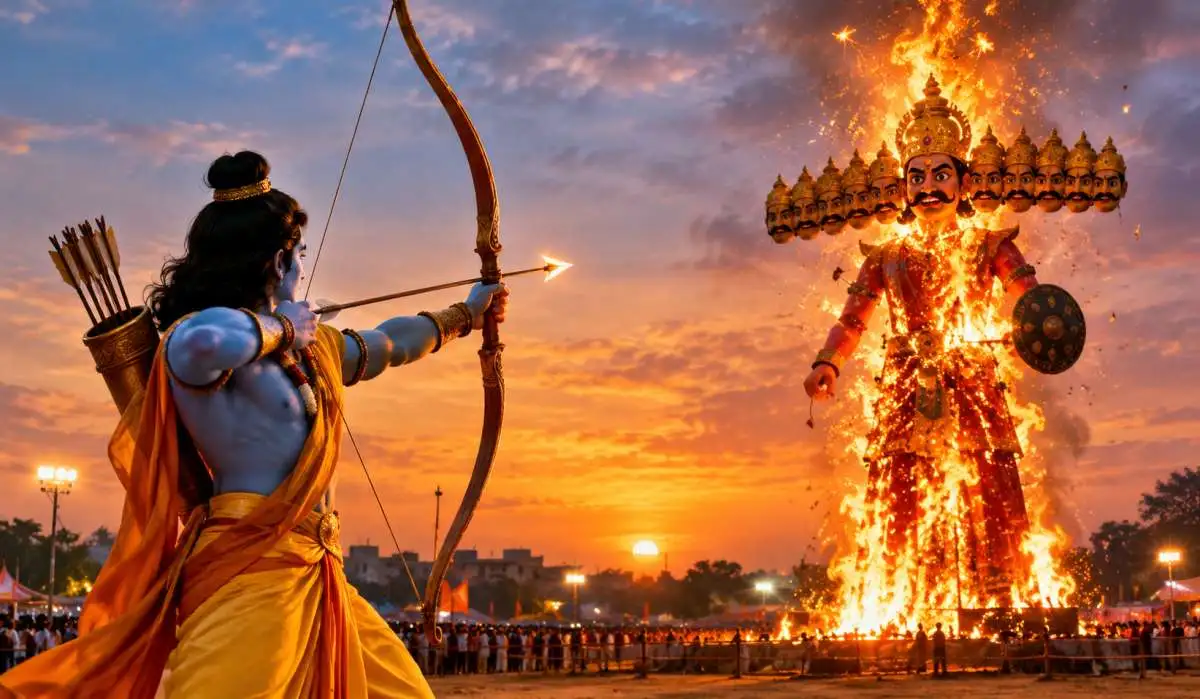
Dussehra marks the victory of good over evil. Lord Ram killed Ravana on this day. Ravana had ten heads. He kidnapped Sita. Ram fought a big battle. He killed Ravana with a special arrow. That day was the tenth day of Ashwin month. That is Dussehra. In East India, the story is different.
Goddess Durga killed Mahishasura on this day. Both stories teach one thing. Good wins. Evil loses. People burn Ravana's effigy. They watch Ramlila. They meet family. They share sweets. So why we celebrate Dussehra is clear. It is a day of victory.
What is the Story Behind Dussehra?
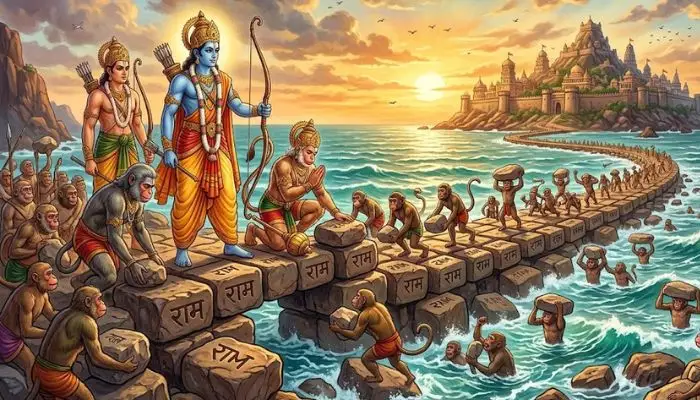
The most famous story is from the Ramayana. Ravana was the king of Lanka. He had ten heads. He was very powerful. He kidnapped Sita, the wife of Lord Ram. Ram was in exile at that time. He gathered an army of monkeys. They built a bridge to Lanka. A big battle happened.
Ram prayed to Goddess Durga before the battle. He needed her blessings. After a long fight, Ram killed Ravana with a special arrow. That day was the tenth day of Ashwin month. That day is Dussehra .
The other story is about Goddess Durga. The demon Mahishasura got a boon. No man or god could kill him. He troubled the gods. The gods gave their power to Durga. She fought Mahishasura for nine days. On the tenth day, she killed him. That day is also Dussehra. In Bengal, this is the main story. It is called Vijayadashami .
So Dussehra is one day. But it has two big victories. Ram over Ravana. Durga over Mahishasura. Both show the same thing. Good wins. Evil loses.
Read More: Why Navratri Is Celebrated for Nine Days: Story, Devi Names and Full Guide
Why is Dussehra Celebrated?
People celebrate Dussehra for many reasons.
- First, it is a day of victory. Ram won. Durga won. People remember this. They pray. They celebrate. They burn Ravana's effigy. This shows that evil will always end .
- Second, it is the end of Navratri. Nine days of Durga puja. On the tenth day, the celebration ends. In Bengal, Durga's idol is taken to the river. People say goodbye. This is Bijoya Dashami .
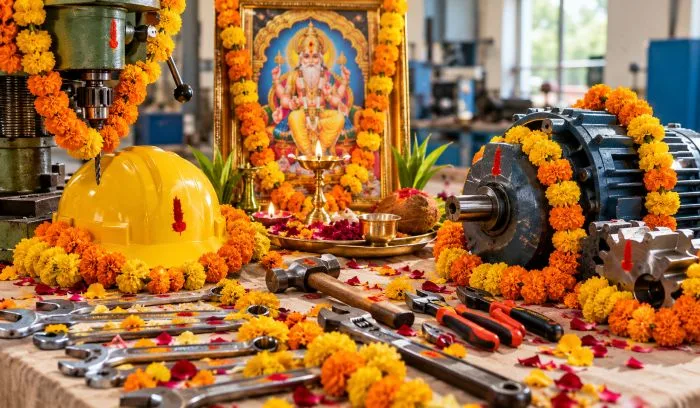
- Third, it is a new beginning. Many people start new work on this day. It is a good day. Farmers also worship their tools. They thank them for the harvest. They pray for the next crop .
- Fourth, it brings people together. Families meet. Sweets are shared. Ramlila happens in every town. People watch the story of Ram. They cheer when Ravana burns .
About Dussehra
Dussehra is also called Vijayadashami. It comes in September or October. It is the tenth day of Ashwin month. It comes right after Navratri .
- In North India, people watch Ramlila. This is a play about Ram's life. On the last day, big effigies of Ravana, Kumbhakarna, and Meghnad are burned. People gather in large grounds. They watch the fire. They cheer .
- In Bengal, it is Durga Puja. Big pandals are made. Durga's idol is beautiful. On the tenth day, the idol is taken to the river. People dance. They say "Aasche Bochor Abar Hobe" (It will happen again next year) .
- In Gujarat, people do Garba and Dandiya for nine nights. On Dussehra, the dancing ends. It is a sad day for many. But also a happy one .
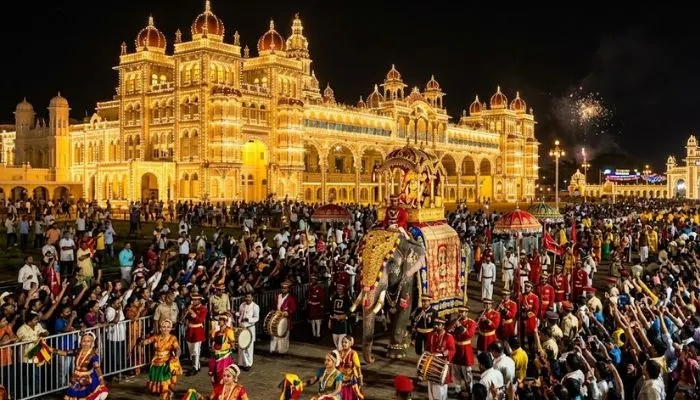
- In Mysore, the Dasara procession is huge. The Mysore Palace is lit up. Elephants carry the goddess. It is a grand event .
- In Maharashtra, people worship the Shami tree. They exchange leaves. They also do Shastra Puja. They worship their weapons and tools. This comes from the Pandavas. They hid their weapons in a Shami tree during exile. On Dussehra, they took them back .
- In Punjab, people do Ravana Dahan. But they also fly kites. The sky is full of kites. It is a happy day.
So Dussehra is different in different states but the meaning is same. Good wins. Evil ends and life goes on.
How Did Ravana Get 10 Heads?
There are two main stories about Ravana's ten heads.
Story 1: Brahma's Boon
Ravana wanted power. He did tapasya for Lord Brahma. He prayed for many years. To please Brahma, he cut off his own head. He offered it to Brahma but a new head came he cut it again a new head came again. He did this nine times. Ten heads in total. Brahma was happy.
He appeared before Ravana. He gave him a boon. Ravana asked for immortality. Brahma said no but he gave Ravana ten heads and he gave him a special nectar. That nectar was in his navel. If anyone cut his navel, he would die .
Story 2: Shiva's Blessing
Ravana was a big devotee of Lord Shiva. He prayed to Shiva. Shiva did not come. Ravana got angry. He started cutting his head. He cut one head. A new one came. He cut again. New one came. He did this nine times. When he was about to cut the tenth, Shiva appeared. Shiva was happy with his devotion. He gave him ten heads. He also gave him many powers .
Some people also say the ten heads are not real heads. They are symbols. They show Ravana's ten bad qualities. Lust. Anger. Greed. Attachment. Pride. Jealousy. Hate. Fear. Ego. Corruption. These ten things lived in Ravana. And these ten things made him lose .
You May Also Read: Why Dussehra Is A Major Festival In Ranchi?
Ravana 10 Heads Names
Here are the ten names. Each head has a meaning.
- 1. Kama - Lust. Uncontrolled desires.
- 2. Krodha - Anger. Getting angry without thinking.
- 3. Lobha - Greed. Wanting more and more.
- 4. Moha - Attachment. Getting trapped in material things.
- 5. Mada - Pride. Thinking too much of yourself.
- 6. Matsarya - Jealousy. Being unhappy with others' success.
- 7. Ghrina - Hate. Not liking others.
- 8. Bhaya - Fear. Being afraid.
- 9. Ahankara - Ego. Thinking you are the best.
- 10. Bhrashtachar - Corruption. Going away from truth and dharma .
Some sources also list Chitta (will), Manas (heart), and Buddhi (mind) as the ten heads. These show Ravana's knowledge. He knew the six Shastras and four Vedas. He was a great scholar. But his knowledge did not help him. Because he did not use it properly .
So the ten heads are not just a story. They are a lesson. If you have these ten things inside you, you will fall. Even if you are smart. Even if you are powerful. Ravana had everything. But he lost. Because he could not control himself.
FAQs
1. Why do we celebrate Dussehra?
We celebrate Dussehra because Ram killed Ravana on this day. It shows good wins over evil. In East India, it is Durga's victory over Mahishasura .
2. What is the story behind Dussehra?
Ram's wife Sita was kidnapped by Ravana. Ram fought a big battle. He killed Ravana on the tenth day. That day is Dussehra. The other story is Durga killing Mahishasura after nine days of fight .
3. Why is Dussehra celebrated?
Dussehra is celebrated to remember the victory of good over evil. People burn Ravana's effigy. They watch Ramlila. They pray. They meet family. It also marks the end of Navratri .
4. About Dussehra in short?
Dussehra is the tenth day of Ashwin month. It comes after Navratri. It marks Ram's victory over Ravana. And Durga's victory over Mahishasura. People burn effigies. They celebrate with family .
5. How did Ravana get 10 heads?
Ravana cut his head ten times to please Brahma. Each time a new head came. Brahma gave him ten heads as a boon. Another story says Shiva gave him ten heads for his devotion .
6. What are the Ravana 10 heads names?
Kama (lust). Krodha (anger). Lobha (greed). Moha (attachment). Mada (pride). Matsarya (jealousy). Ghrina (hate). Bhaya (fear). Ahankara (ego). Bhrashtachar (corruption) .
7. Why is Dussehra called Vijayadashami?
Vijaya means victory. Dashami means tenth day. It is the tenth day of victory. Ram won on this day. Durga won on this day. So it is called Vijayadashami .
8. What happens on Dussehra day?
People burn Ravana's effigy. They watch Ramlila. In Bengal, Durga's idol is immersed. In Gujarat, Garba ends. People share sweets. They meet family .
9. Is Dussehra a national holiday?
Yes. Dussehra is a gazetted holiday in India. Offices, schools, and banks are closed. It is celebrated all over the country .
10. What food is eaten on Dussehra?
People eat sweets like jalebi and imarti. In Maharashtra, Puran Poli is made. In Bengal, people eat fish and sweets. It is a day of feasting .