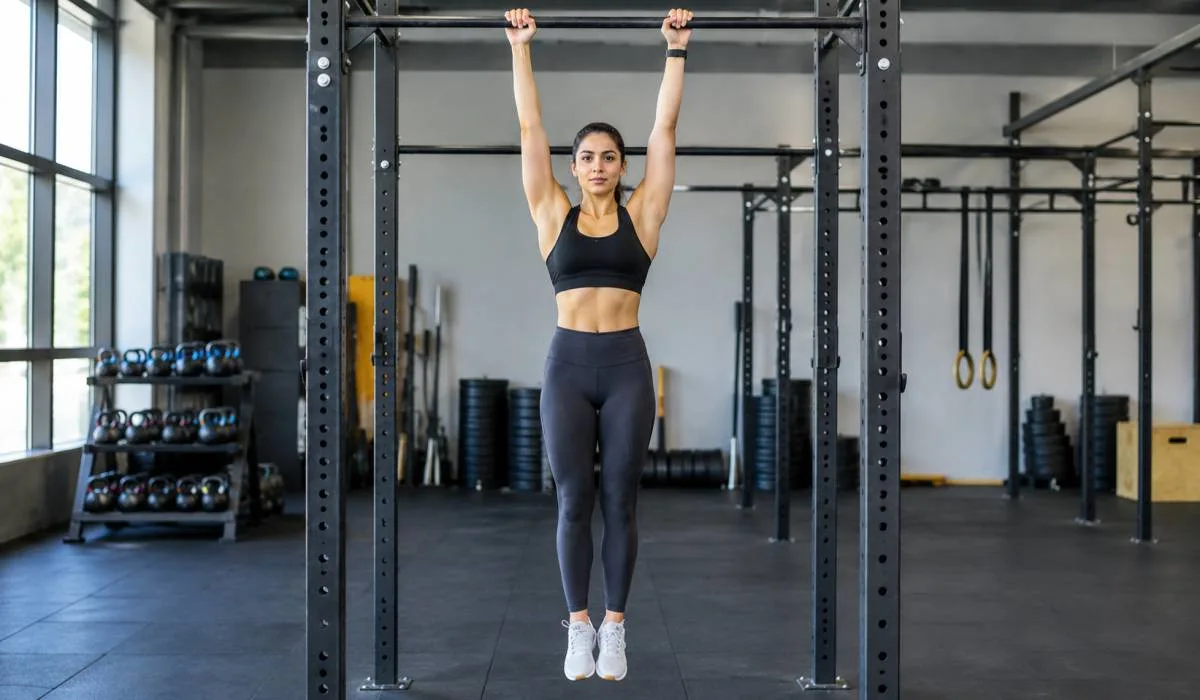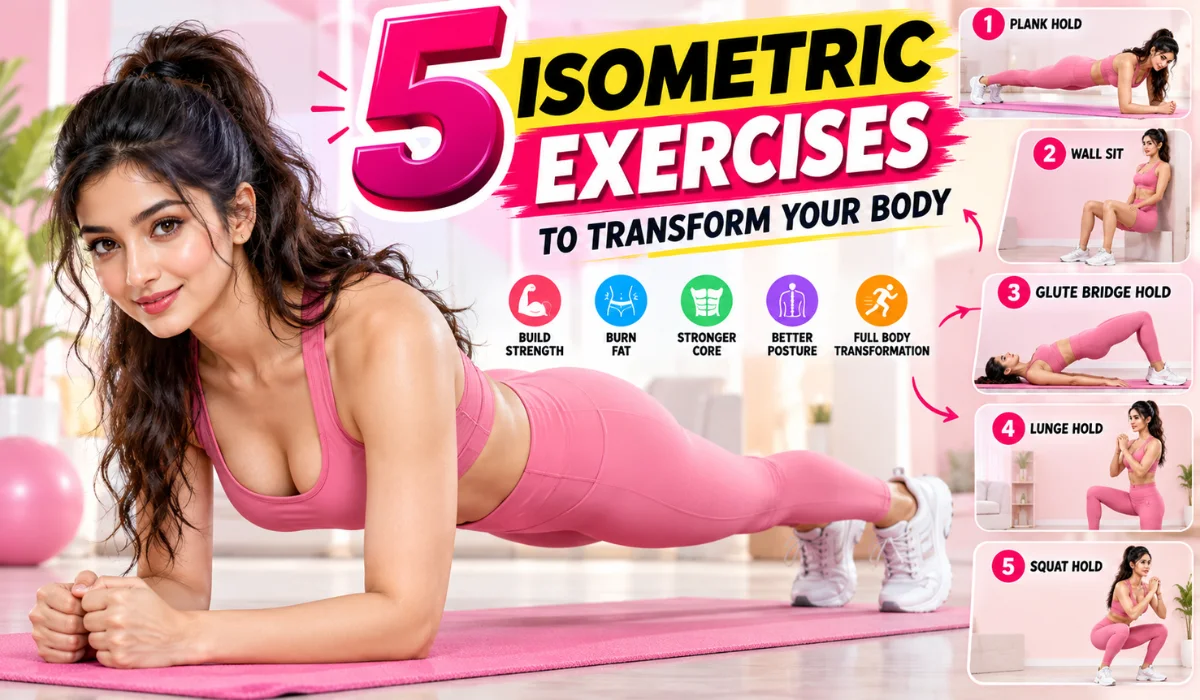
Looking for a way to shake up your workout and get the most out of it? Try adding some isometric workouts to the routine. You might be surprised by how simple they are to do. In fact, all they entail is squeezing and holding a muscle in a certain position. And it could be just as challenging as going through the repetitions, plus your body will be worked in a different way to bring some variety into your exercise routine (which is so important if you're in it for the long haul): 'Isometric exercises are a type of strengthening exercise, where a muscle is essentially held static for a sustained period,' says Helen O'Leary, physiotherapist at Complete Pilates. 'This is in contrast to the type of strengthening exercise where a muscle is shortened during a contraction when a weight is moved, and then lengthened slowly under tension as the weight is returned,'
What are the benefits of isometric exercises?
They can also help you boost muscle strength. An isometric squat, for example, targets the same muscle groups as a concentric squat but may not be as fatiguing. In fact, in 2019, researchers found that a few months of isometric training increases muscle size by up to 92%. They can also help you improve your endurance, as holding one position for a long period of time challenges your endurance. A recent study indicated that isometric exercises may improve your running performance more than jumping exercises.
Some evidence also indicates they excel at helping to lower blood sugar levels quickly. One study indicated that doing 12 minutes of isometric exercises three times per week for 12 weeks can significantly reduce blood pressure. O'Leary also recommends including them in your workout to mix things up, which can be key for improving your overall health as well as ensuring that you enjoy your workouts and stay consistent. "Timed holds can motivate you to track your progress in activities, as opposed to counting reps," O'Leary says.
Wall sits
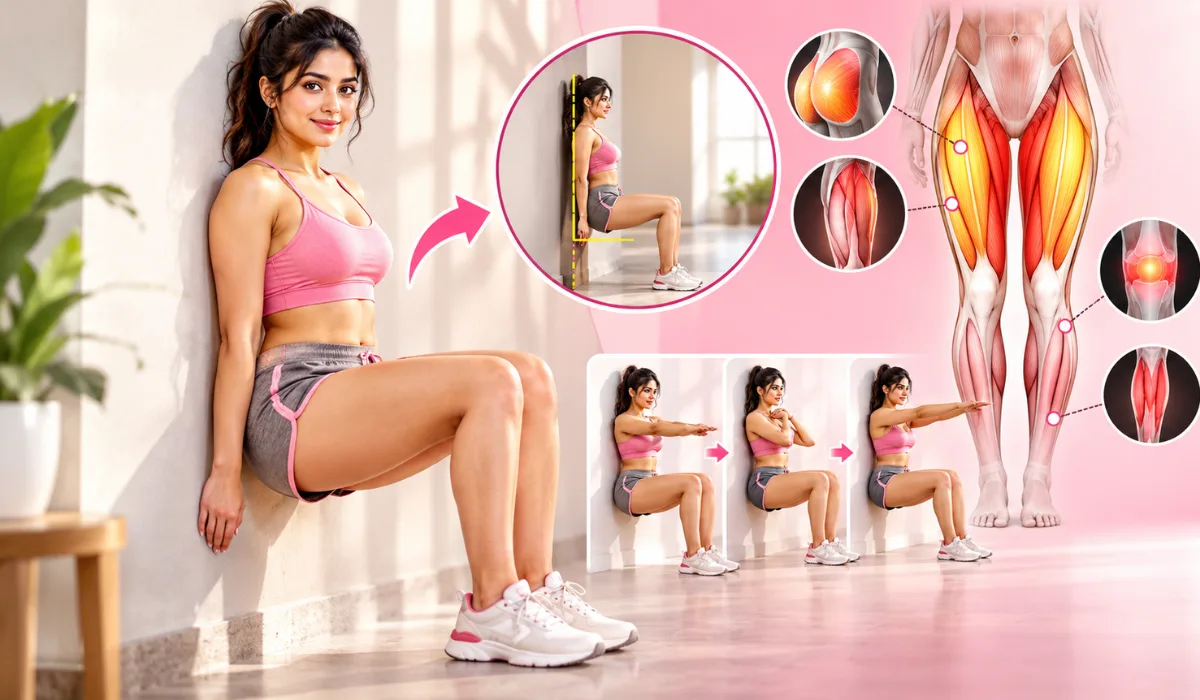
"Wall sits target the quadriceps, hamstrings and glutes, which are the largest muscles in the body," explains O'Leary, adding that a wall sit is a perfect way to condition the basics. Stand feet slightly wider than hips apart, facing away from flat wall about 2 feet away. Sit your back against the wall as you slide down into a squat position, ensuring your torso remains upright. Sit so your thighs are parallel with the floor, and hold for 30-60 seconds (or as long as you can without your back hunching or arching). Drive through your heels to return to standing position and repeat for 3 rounds.
Plank
You may recognize the plank as a core exercise, but there's a reason this move has become a go-to since it can actually do a lot: "O'Leary says a plank is pretty much a full-body exercise - it targets the shoulders, abs, back muscles and the quads." To do a plank, start on your hands and knees with your hands underneath your shoulders on the floor. Push up onto your toes, keeping your legs straight and chest pressed forward, but don't hunch your hips into the air or let them sink below your waist. Hold for 30 to 60 seconds, rest on your knees, and repeat for three sets.
Side plank
While the name of this move is similar and the concept involved isn't too dissimilar, a side plank works very different muscles than a basic plank. In fact, O'Leary says, it hits muscles that a lot of people don't think about at all. "It targets those muscles down the sides of the body, such as obliques, quadratus lumborum, lateral glutes and the peroneus muscles of the lower leg," she says. "These muscles are all important to enable you to move in a lateral fashion, such as skipping sideways along the tennis court.
They also crucially provide stability in any move when you stand on one leg, such as running," O'Leary adds. Lie on your side with your body in a straight line. Rest on your bottom arm with your elbow placed beneath your shoulder and push up through your feet so that everything apart from your elbow and your feet remains lifted off the floor. Keep your core tightened and your glutes slightly engaged. Hold for 30-60 seconds then bring your knees down to rest and repeat for 3 rounds.
Hand-grip squeeze
You might not have thought about toning up your hands, but grip strength actually serves as one of the best ways of testing your overall health and lifespan. Not only that, but there's also a practical reason to do this exercise: "The hand grip squeeze is important for maintaining strength for routine activities such as opening stuck jar lids and hoisting heavy saucepans," O'Leary says, "It also helps improve other strength training exercises such as weightlifting or pull ups."
To do this exercise, you'll need a cheap piece of kit called a hand grip. You can do this exercise regularly - at your desk, on your commute or first thing in the morning. Hold the hand grip in one hand with your palms around the handles. Squeeze the handles together as hard as you can and hold for as long as you can. Start with five to 10 seconds and build up over time. Rest and repeat for three sets.
Leg extension holds
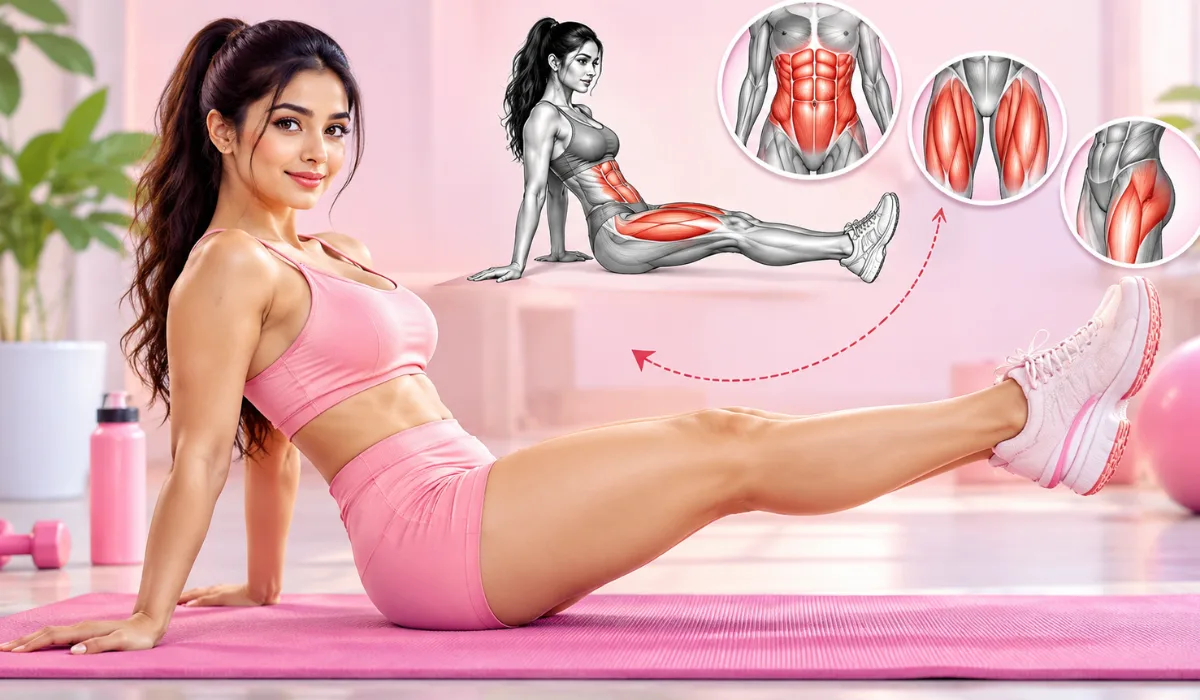
If you're a gym goer, then you're probably familiar with the leg extension machine. Along with performing reps with this machine, you can also do an isometric hold with it. "The leg extension targets the quadricep muscles which, as mentioned earlier, are amongst the largest muscles in the body and most powerful," says O'Leary. Sit in the seat with your back against the back support and knees resting at the end of the seat, feet under the extension pad. Push the padded bar away from you by straightening your legs, hold for 10 seconds at first, then increase it each time, then relax your legs and rest. Repeat for 3 sets.
FAQ's
1. What are isometric exercises and how do they work?
Isometric exercises are movements where your muscles contract without noticeably changing length, and your joints do not move. They build strength by holding a static position under tension, maximizing muscle fiber recruitment.
2. Can isometric training actually build muscle and transform my body?
Yes, isometric holds build impressive functional strength, improve joint stability, and enhance muscle endurance. When combined with progressive overload, they help tone muscle and torch body fat just like traditional lifting.
3. How long should I hold each isometric position?
Aim to hold each challenging static position for 20 to 60 seconds per set. Focusing on quality form and maximum muscular tension matters far more than enduring longer, sloppy holds.
4. Are these exercises safe for beginners or people with joint pain?
Because there is no dynamic joint movement or impact, isometrics are exceptionally joint-friendly. They allow you to build strength safely around injuries and serve as a low-impact starting point for beginners.
5. How often should I include isometric workouts in my routine?
You can safely practice isometric exercises 2 to 4 times a week. Because static holds cause less micro-trauma and soreness than eccentric lifting, recovery is often faster.