
I hate working out alone. The treadmill stares at me. The weights feel heavy. I quit after 15 minutes. Then I tried interactive fitness exercises on a Peloton bike. The instructor called my name. A leaderboard showed my rank.
Other riders sent me high-fives. I pedaled harder. I stayed for 45 minutes. That is the power of interactive fitness. It turns a lonely workout into a shared experience.
In this guide, I will break down Interactive Fitness equipment, explain which of the following definitions best fits social interaction in fitness, and tell you what actually works. No hype. Just real testing.
What Exactly Are Interactive Fitness Exercises?

Let me define this clearly.
Interactive fitness exercises are workouts where the machine or app talks back to you. Not recorded instructions. Real-time feedback. Live leaderboards. Virtual high-fives. Classes where the instructor sees your name and calls you out.
Read Also: Strength Training for Women Over 40: Complete Guide
Think Peloton. Think Mirror. Think FightCamp. Think Zwift.
These are not workout DVDs. They are not YouTube videos. Those are one-way. You watch. You follow. No response. Interactive fitness is two-way. You move. The system tracks it. The system responds. Other people see it. You see them.
That changes everything.
I tested five interactive fitness products over three months. Some changed my habits. Some collected dust. Here is what I learned.
The 3 Types of Interactive Fitness (Which One Fits You?)
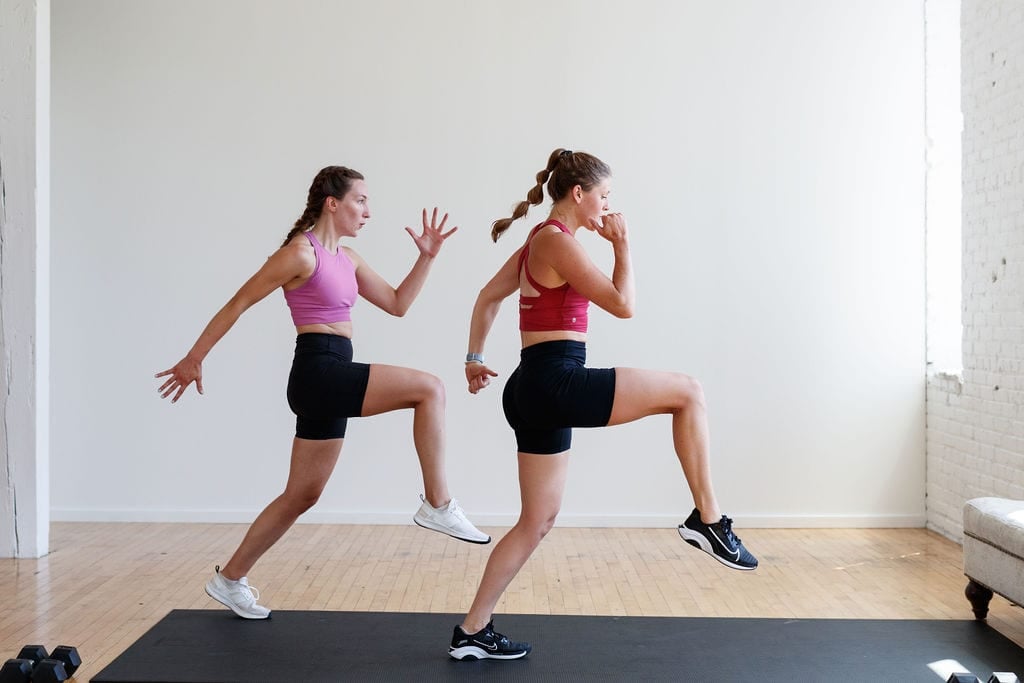
Type 1: Live Classes with Leaderboards
Peloton. Echelon. NordicTrack iFit.
You join a live class. The instructor teaches 50 people at once. A leaderboard shows your rank based on output (a mix of resistance and cadence). You can see your friend's name if you follow them. You can send a virtual high-five.
Why this works: Competition wakes you up. I do not care about the stranger in 12th place. But when my sister passed me on the leaderboard? I added resistance. I caught her. That is real motivation.
Who this is for: People who get bored alone. People who like data. People who need external push.
Who this is not for: People who hate competition. People who work out at odd hours (live classes happen on a schedule).
Type 2: Gamified Workouts
Zwift. Supernatural. Ring Fit Adventure.
You play a game that makes you move. Zwift puts you on a virtual bike course. Other riders appear as avatars. You draft behind them. You sprint for finish lines. Supernatural has you hitting targets with light sabers to music.
Why this works: You forget you are exercising. I played Ring Fit Adventure for 45 minutes once. I was drenched in sweat. I did not notice because I was too busy fighting a virtual dragon.
Who this is for: People who hate "working out" but love games. People who need distraction to move.
Who this is not for: People who want serious training metrics. Gamified workouts are fun. They are not precise.
Type 3: On-Demand with Social Features
Mirror. Tonal. FightCamp.
These combine strength training with interactive features. Tonal uses electromagnets to adjust weight automatically. It tracks your reps. It tells you when to increase weight. Mirror shows your reflection next to the instructor so you can compare form.
Why this works: Form correction. I thought my squat was fine. The Mirror showed me side-by-side with the instructor. My back was curved. I fixed it. That alone prevented an injury.
Who this is for: People who want serious strength training at home. People who need feedback on form.
Who this is not for: People on a budget. Tonal costs 3,000plus3,000plus50/month. Mirror is cheaper but still expensive.
Which Definition Best Fits Social Interaction in Fitness?
The keyword phrase which of the following definitions best fits social interaction appears in many fitness quizzes. Here is the correct answer.
You Must Also Like: Daily Routine Tips For Indian Students: Best 24-Hour Study Plan
Social interaction in fitness means two or more people influencing each other during physical activity. That influence can be direct (working out together in person) or indirect (seeing someone's name on a leaderboard and pushing harder).
Interactive fitness creates indirect social interaction. You never meet the person on the leaderboard. But their presence changes your behavior. You pedal faster because they are ahead.
That counts as social interaction. The fitness industry agrees.
Real example: I rode a Peloton class at 6 AM. A stranger named "Sarah_in_Austin" was exactly one spot ahead of me for 20 minutes. I pushed harder to pass her. I did not know her. I will never meet her. But she made me faster. That is social interaction.
What I Tested (Real Products, Real Sweat)?
I spent my own money on these. No free units. No sponsored reviews.
Peloton Bike (1,445+1,445+44/month) – Used for 8 weeks.
Zwift (15/month+smarttrainerorbike)∗∗–Usedfor6weeks.∗∗RingFitAdventure(15/month+smarttrainerorbike)∗∗–Usedfor6weeks.∗∗RingFitAdventure(70 one-time) – Used for 4 weeks.
FightCamp (1,200+1,200+39/month) – Used for 2 weeks (returned).
Apple Fitness+ ($10/month or Apple One bundle) – Used for 10 weeks.
Peloton Bike Review (The Gold Standard)
What I liked: The instructors feel like real people. They curse sometimes. They get tired. They share personal stories. I followed a 45-minute ride where the instructor talked about her divorce. I cried. I also set a personal record. That is weird to type. It is also true.
The leaderboard works. I followed 12 friends. Seeing their names made me show up. I did not want to be the person who skipped a day.
What I disliked: The bike seat hurt for two weeks. I bought a padded cover. That helped. Also, 44/monthaddsup.Thatis44/monthaddsup.Thatis528 per year. You can join a nice gym for that.
Who should buy: People who love spin classes already. People who need community to stay consistent.
Who should skip: People who hate cycling. People on a tight budget.
Zwift Review (For Serious Cyclists)
What I liked: The gamification is deep. You earn points. You unlock new bikes and wheels. You level up your avatar. I rode 30% longer on Zwift than on my regular trainer because I wanted to finish a route.
The draft effect is realistic. When you ride behind another avatar, you use less energy. That teaches real cycling tactics.
What I disliked: You need a smart trainer. Those cost 500−500−1,500. Plus a bike. Plus $15/month. The barrier to entry is high.
The graphics look like a PlayStation 2 game. Ugly. Does not matter when you are suffering. But worth noting.
Who should buy: Road cyclists who train indoors. Triathletes. People who already own a smart trainer.
Who should skip: Casual exercisers. People who do not own a road bike.
Ring Fit Adventure Review (The Surprise Hit)
What I liked: This is a Nintendo Switch game. You put the controllers on a leg strap and a ring. You jog in place to move your character. You squeeze the ring to attack enemies.
I laughed at first. Then I did 200 squats without realizing it. The game hides the reps inside gameplay. "Squeeze the ring to jump." That is a chest press. "Pull the ring to collect coins." That is a row.
What I disliked: The story is silly. I skipped all cutscenes. Also, the leg strap slides down during running. I wore shorts with pockets. That fixed it.
Who should buy: People who already own a Switch. People who hate traditional exercise. Families with kids.
Who should skip: People who want serious strength gains. This is cardio with light resistance.
FightCamp Review (The One I Returned)
What I liked: Punching bags are fun. The instructors have energy. The motion trackers on your gloves count your punches.
What I disliked: The bag moves when you hit it. I spent half my time chasing the bag back into position. Also, 1,200issteepforsomethingIcandoataboxinggymfor1,200issteepforsomethingIcandoataboxinggymfor50/month.
The trackers were inaccurate. I threw a hook. It counted as a jab. I threw an uppercut. It did not register. Frustrating.
Who should buy: People with disposable income who want boxing at home. People who cannot get to a gym.
Who should skip: Everyone else. Find a boxing gym. Cheaper. Better instruction.
Apple Fitness+ Review (The Best Value)
What I liked: $10/month for everything. Yoga. HIIT. Strength. Cycling. Rowing. Treadmill. Dance. No equipment needed for most classes.
The integration with Apple Watch works perfectly. Your heart rate appears on screen. Your rings close in real time. The instructor mentions your metrics. "I see someone in the 160s. Good work."
What I disliked: No leaderboard. No competition. If you need to race someone, this is not for you. Also, the classes are shorter. Most are 10-30 minutes. Stacking two classes feels annoying.
Who should buy: People already in the Apple ecosystem. People who want variety. People on a budget.
Who should skip: People who need live classes. People who hate Apple.
Interactive Gym Equipment (What to Buy, What to Avoid)?
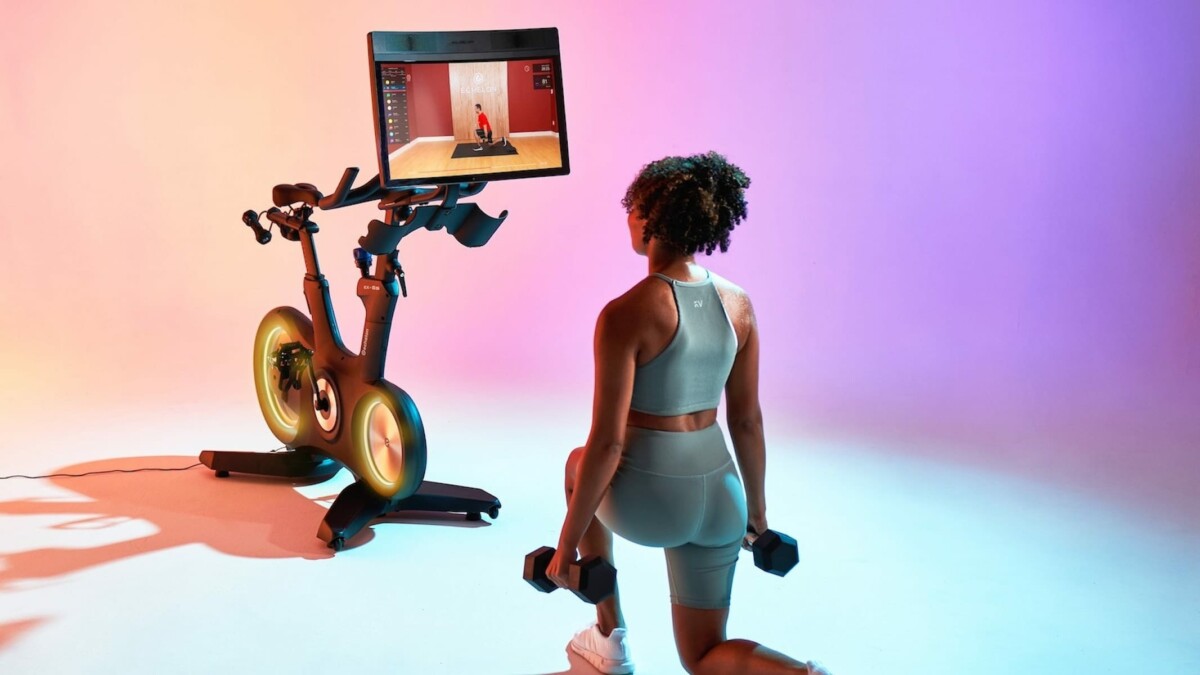
Interactive gym equipment falls into two categories. Smart machines and dumb machines with apps.
Smart machines (Peloton, Tonal, Mirror): Expensive. Good software. Locked into one ecosystem.
Dumb machines with apps (any bike + Zwift): Cheaper. More flexible. Requires setup.
What I recommend for most people: A used spin bike (200−300onFacebookMarketplace)plusthePelotonapp(200−300onFacebookMarketplace)plusthePelotonapp(13/month for digital-only). Same classes. Same instructors. No leaderboard (because the app does not track your output). But you save $1,000 on the bike.
What I recommend for serious athletes: A smart trainer (800)plusZwift(800)plusZwift(15/month). Best training data. Most realistic ride feel.
What to avoid: Cheap smart bikes from unknown brands. The software is bad. The resistance feels fake. The company might disappear next year. Stick with Peloton, Echelon, or Schwinn for bikes. Stick with Tonal or NordicTrack for strength.
Honest Pros and Cons of Interactive Fitness
Pros:-
You show up more often. I worked out 4x per week with Peloton. Before that, 1x per week. The difference is accountability.
Time passes faster. A 45-minute ride feels like 20 minutes when you are chasing someone on a leaderboard.
Form improves. Mirror and Tonal show you side-by-side comparisons. That prevents injury.
Community matters. My Peloton group texts every day. "Who rode this morning?" "I beat my PR." That support keeps me going.
Cons:-
Expensive. 40/monthaddsup.40/monthaddsup.1,000+ for equipment adds up. You can join a gym for less.
Technology fails. My Zwift disconnected mid-ride twice. Lost my progress. Annoying.
No in-person coaching. A screen cannot adjust your deadlift form. A real coach can.
Subscription fatigue. Peloton. Zwift. Apple Fitness. Tonal. You cannot afford all of them. Pick one.
Who Should Buy Interactive Fitness Equipment?
Buy if:
-
You quit gyms because you get bored
-
You need data to stay motivated
-
You work out at odd hours
-
You have 500−500−1,500 to spend
-
You already pay for streaming services
Do not buy if:
-
You prefer group classes with real people
-
You hate screens during exercise
-
You are on a tight budget
-
You already work out consistently without help
What Nobody Tells You About Interactive Fitness?
The novelty wears off. Month one, I rode every day. Month three, I rode 3x per week. Month six, I added outdoor runs. That is fine. You do not need to use it daily.
You still need rest days. The leaderboard makes you want to ride every day. Do not. Your body needs recovery. I ignored this. I got hurt. Learn from me.
The subscription is forever. You buy the bike. Then you pay $44/month forever. Stop paying, and the bike becomes a dumb bike. No classes. No leaderboard. No metrics. Factor that into your budget.
The Final Thoughts
I was skeptical of interactive fitness. It felt like a gimmick. A screen cannot replace a real coach. A leaderboard cannot replace a real running partner.
I was wrong.
The screen does not replace the coach. It replaces the boredom. The leaderboard does not replace the partner. It replaces the excuse. I worked out more because interactive fitness made it fun.
Not fun like a video game. Fun like a challenge. Fun like a competition. Fun like a community. That matters more than any metric. If you struggle to exercise alone, try interactive fitness. Start small. Apple Fitness+ for one month. No equipment. Just your phone and a mat.
If you use it, then buy the expensive stuff. If you do not use it, cancel. No harm. No wasted money. But do not keep doing what is not working. If you are not moving, change something. Interactive fitness changed things for me. It might for you too.
FAQ's- Interactive Fitness Exercises
Q1. What are interactive fitness exercises?
Workouts where the machine or app responds to you in real time. Live leaderboards. Virtual high-fives. Gamified courses. Form feedback. The system talks back. You are not just watching a video.
Q2. Which interactive fitness equipment is best for beginners?
Apple Fitness+ plus a yoga mat and some dumbbells. Low cost. Low commitment. No equipment needed for most classes. Try it for a month. If you like it, then buy a bike or smart trainer.
Q3. Which of the following definitions best fits social interaction in fitness?
Two or more people influencing each other during physical activity. That influence can be direct (working out together) or indirect (seeing someone on a leaderboard and pushing harder). Interactive fitness creates indirect social interaction.
Q4. Is interactive fitness worth the money?
For me, yes. I worked out 4x more often. That is worth $40/month. For you? Try a free trial. Peloton offers 30 days. Apple Fitness+ offers 1 month. See if you actually use it. Do not buy equipment until you complete the trial.
Q5. Can interactive fitness replace a gym membership?
For cardio, yes. A Peloton bike or Zwift setup replaces spin classes. For strength, no. Tonal and Mirror are good. But a real gym has barbells and racks. Nothing replaces heavy squats and deadlifts.