You know that awkward moment at the doctor's office when they ask, 'When was your last checkup?' and you start running through excuses in your head? You're not alone. Most people put off routine health exams, either because they're busy or think they're unnecessary. The truth is, ignoring essential health screenings is like driving your car for years without ever looking under the hood. Problems can build up quietlyand catch you off guard.
The good news: understanding the basics gives you the power to stay on top of your health. This guide breaks down which health screening tests you really need, why they're important, and how catching things early often makes all the difference.
What Are Essential Health Screenings?
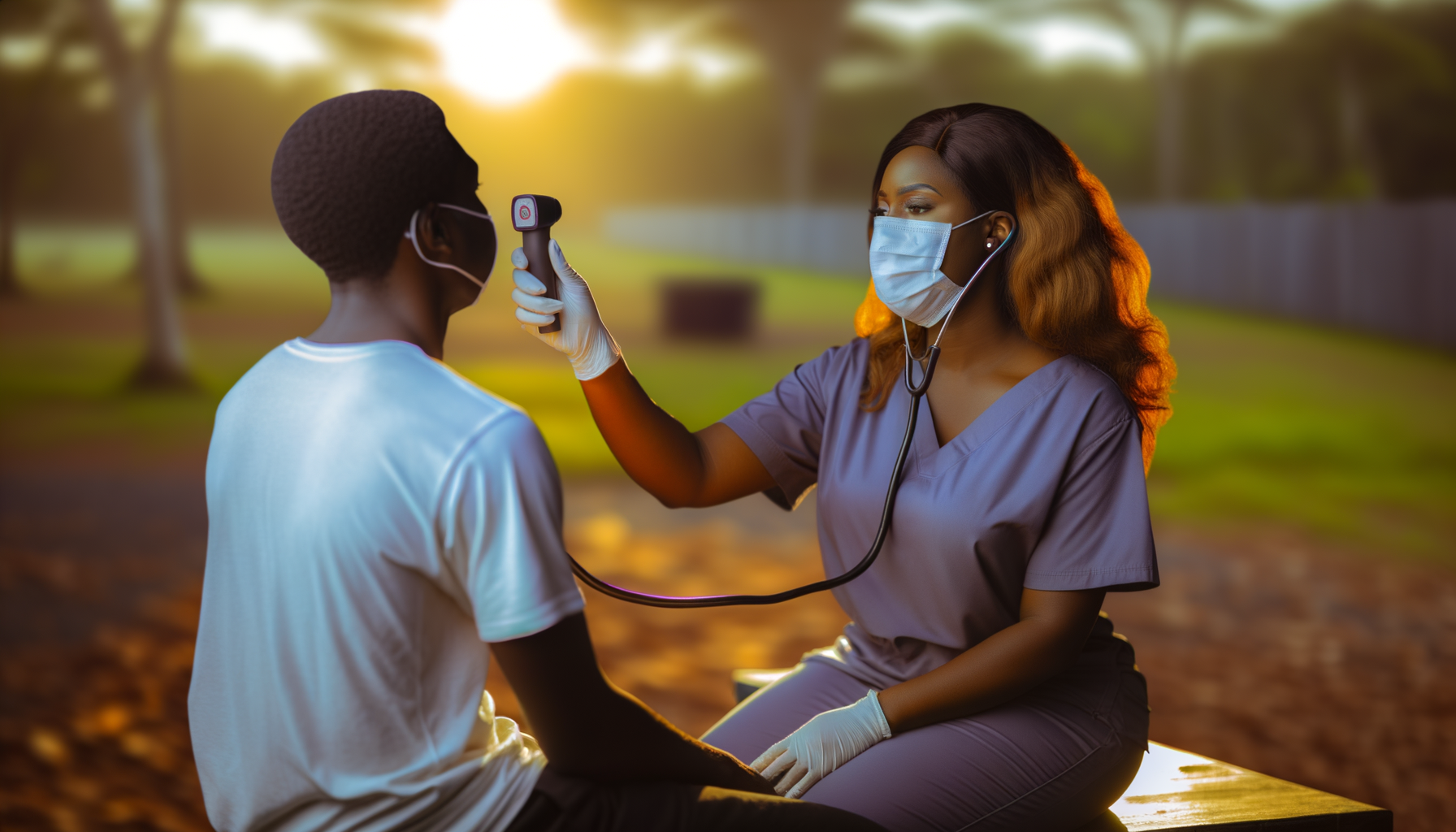
Think of essential health screenings like your body's basic maintenance schedule. They're tests or checkups that help spot problems before you feel sick. For example, a simple blood pressure check could reveal high risk for heart disease long before any symptoms show up.
Screenings aren't the same for everyone. They depend on your age, family history, lifestyle, and sometimes, plain old luck. But there are standard medical screening guidelines that doctors follow to keep you covered.
- Blood pressure tests (for heart health)
- Cholesterol checks (for heart disease risk)
- Blood sugar testing (for diabetes)
- Screenings for common cancers, like breast, colon, and cervical cancer
- BMI and weight monitoring (for overall health)
Skipping these could mean missing out on early disease detection. That's the sort of thing that turns a quick fix into a big, expensive problem down the road.
Why Do Preventive Health Checkups Matter?
Ever hear the phrase, 'An ounce of prevention is worth a pound of cure?' It feels cheesy, but it's true. Preventive health checkups catch problems when they're small. That means simpler treatmentand better odds you can get back to your life faster.
Let me give you an example. My neighbor, Mike, always felt fine. But during a routine screening at work, his blood sugar was sky-high. Turned out he had early diabetes. By changing his diet and taking meds early, he avoided a lot of the scary stuff that comes laterlike vision trouble or kidney issues.
- Early detection lets you start treatment before things get serious.
- You save time and money with fewer big medical bills.
- Your quality of life stays highno surprise hospital visits, no missed work.
Honestly, nobody likes going to the doctor. But taking that small step can lead to way less stress in the future.
How Do You Know Which Screenings You Need?
No two bodies are the same. So how do you figure out what you actually need? That's where your doctor (or nurse practitioner) comes in. They'll follow medical screening guidelines and ask you about things like family history, your age, and if you smoke or drink.
- If you have a family history of any disease, mention itcancer, diabetes, heart problems, all of it.
- Ask about recommended screening ageslike when to start mammograms or colonoscopies.
- Don't forget your mental healthscreenings for depression or anxiety are routine now, too.
- If you've skipped screenings, just be honest. Doctors have seen it all. They're there to help, not judge.
The first time you talk about this stuff might feel awkward. But clearing the air leads to a plan that fits your life, not just a checklist.
Common Mistakes People Make with Health Screenings
Everyone slips up, so if you miss a year (or three), don't panic. It's more important that you get back on track than kick yourself for lost time. Here are some things people get wrong with essential health screenings:
- Assuming young means invinciblehealth problems sometimes start quietly, even in your 20s and 30s.
- Thinking one normal test means youre in the clear forever.
- Ignoring small changeslike blood pressure inching up year after year.
- Skipping screenings out of fear. (Spoiler: knowing is easier than worrying)
Life is busy and screenings aren't exciting. Set a reminder, ask a friend to go with you, reward yourself with coffee afterwhatever works. The point is to build a habit, not aim for perfection.
What Happens If a Screening Finds Something?
I won't sugarcoat it: waiting for test results is stressful. But remember, the whole point is to find problems early, when theyre easier to manage. Most positive screening tests aren't the end of the world. They usually mean you need more tests, like a follow-up blood draw or an ultrasound.
Think of it like getting a warning light on your dashboard. Sometimes its a big deal, sometimes it just means checking a fuse. Either way, you want to know whats up so you can take care of it.
- If you get bad news, lean on people close to you.
- Ask your doctor to explain things in simple terms.
- Dont Google everythingyoull only scare yourself. Trust your health team.
- Take things one step at a time. No need to solve everything in a day.
The main thing? Early steps keep you aheadphysically, mentally, and financially.
How to Fit Health Screenings Into a Busy Life
Nobody wants to waste hours in waiting rooms, especially when you feel fine. The trick is to stop thinking of routine health exams as giant hurdles. They're like oil changesannoying, but over before you know it.
- Combine screenings: Ask if you can get blood work, blood pressure, and a physical all in one trip.
- Use workplace health fairs or community clinicssometimes these are free or cost less.
- Set calendar reminders as you would for birthdays or bills.
- Let friends or family know youre going. Its easier together.
There are even home test kits for some screening tests now. Ask your provider if one is right for you. Bottom line: dont let a busy schedule put your health on hold.
What If You Dont Have Insurance?
This ones tough. Preventive care matters most when you cant afford a big medical crisis. If you dont have insurance, try these options:
- Look for free community health clinics in your area.
- Ask local pharmacies about low-cost or free screenings.
- Check with local nonprofits or health departmentsthey often sponsor disease-screening events.
- Talk to your provider about payment plans or sliding scales.
It might take more legwork, but there are people committed to making screenings accessible. You deserve the same shot at early disease detection as anyone else.
Breaking Down the Must-Have Screenings by Age
In Your 20s and 30s
- Blood pressure checks at every visit
- Cholesterol test at least once, more if family history or risk
- Sexually transmitted infection (STI) screenings, as needed
- Pap smear every three years (for women)
In Your 40s and 50s
- Repeat blood pressure and cholesterol checks
- Colon cancer screening starts (usually age 45+)
- Mammograms every 1-2 years (for women)
- Blood sugar/diabetes checks
60 and Beyond
- Continue previous screenings
- Bone density test (for osteoporosis risk, especially for women)
- Eye and hearing tests
- Update vaccinesflu, pneumonia, shingles
Your schedule may look different based on your history or doctors advice. The point is to stay on your radarno life gets less busy with age.
How to Make the Most of Every Routine Health Exam
This is your chance to ask questions, not just tick off boxes. Heres what else to cover at your next appointment:
- Ask about lifestyle tweakssleep, food, exercisethat fit your life
- Update your doctor on big changes: new symptoms, stress at home, new job, anything
- Be honest about habits (even the not-so-healthy ones)
Healthcare works bet when it's a team effort. You show up with info, your provider brings the expertise. Together? Your healthiest self is within reach.
Key Takeaways: Dont Wait for Symptoms
- Essential health screenings spot trouble before you feel it
- Personal factors guide which tests you need and when
- Dont let fear, busyness, or embarrassment keep you from a checkup
- Early disease detection can change the gamesometimes even save your life
You dont have to do it all today. Book one appointment. Take the next step. Your future self will be glad you did.
Frequently Asked Questions
- What are the most important health screening tests to get?
Most people should get blood pressure, cholesterol, and blood sugar checks regularly. Cancer screenings like mammograms or colonoscopies start at certain ages. STI testing and Pap smears are also key for many people. Your doctor can tell you exactly which ones fit your age and health history. - How often should I get preventive health checkups?
Most healthy adults need a checkup every 1-2 years, but certain tests might be needed more or less often. If you have a medical condition or risk factors, your provider might recommend more frequent visits. Its best to ask at your next visit so you know whats right for you. - Can I do any health screenings at home?
Some, yes! Home blood pressure monitors are easy to use, and you can find test kits for blood sugar, cholesterol, and even some cancers. But not all tests are accurate at home. Always share your results with your healthcare team for real advice. - What happens if my screening results are abnormal?
If something shows up on a test, it usually means you need more checks. Sometimes its nothing seriousa repeat test can come back normal. If it is a problem, finding it early gives you more ways to take care of it before it gets worse. - Are health screenings covered by insurance?
Many insurance plans cover routine health exams and screenings, especially if they're part of preventive care. If youre unsure, call your insurance or ask your doctor's office. If you dont have insurance, look for community clinics and resources that offer free or low-cost tests. - What age should I start screening for specific diseases?
It depends on the test. Many cancer screenings, like breast and colon, start in your 40s or 50s. Some checks, like blood pressure or cholesterol, should begin in your 20s or earlier if you have risks. Your provider uses medical screening guidelines to help you decide when to start each test.