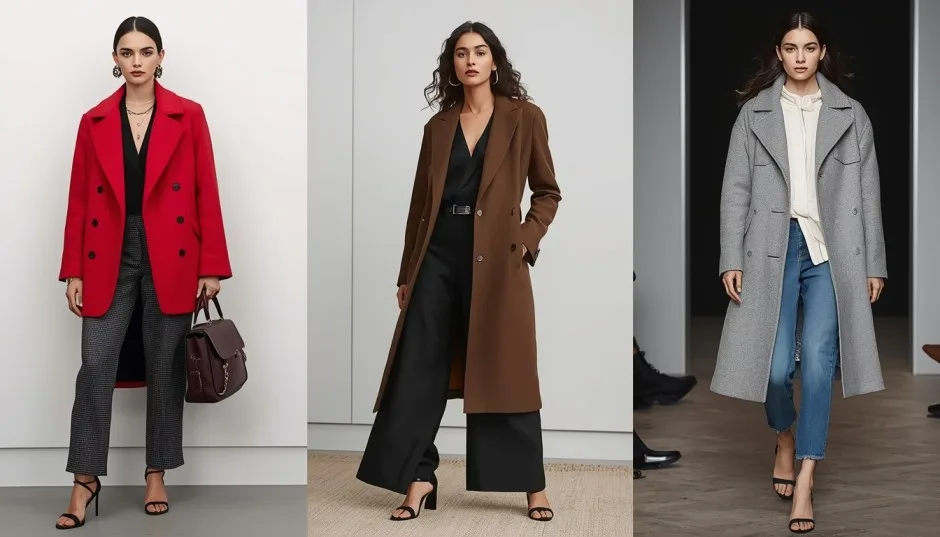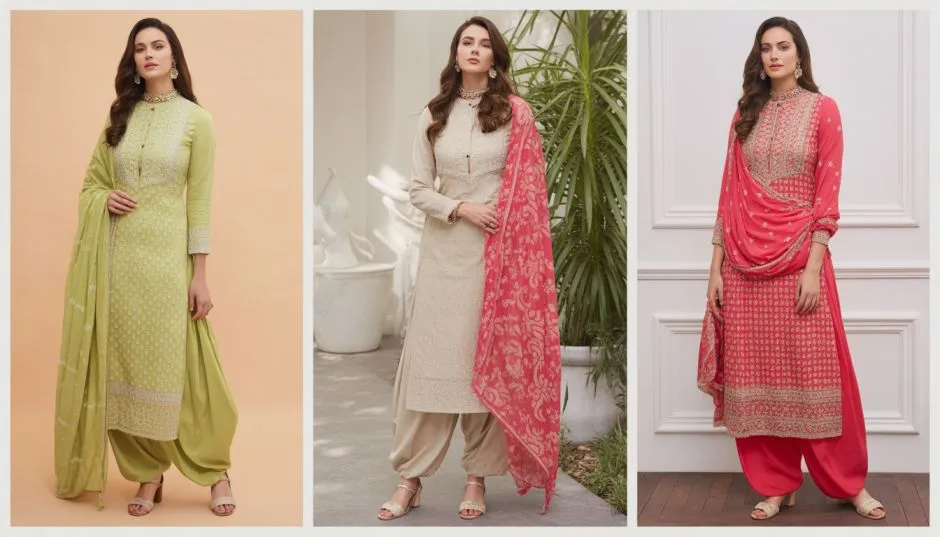
You spend a lot of hours at work. Most of us never think about what our work shirts, pants, or jackets are made ofjust that they don't itch and look normal enough for the office. But more people are switching to organic workwear because they're tired of scratchy fabrics, weird chemicals, and clothes that fall apart after three washes. Sound familiar? You're in good company. This guide will help you find work clothes that feel good, look great, and do right by the planet.
What is organic workwear, really?
Super simple: it's workwear made with organic, chemical-free materialsalmost always organic cotton. No toxic dyes, no sketchy factories. Most organic workwear also checks other boxes: fair pay for workers, less water waste, and less pollution. It's workwear without the guilt.
- Organic cotton workwear uses less water than regular cotton.
- No harsh pesticides or dyes means fewer skin rashes or weird smells.
- Eco-friendly work clothes often last longerno surprise holes in the armpits.
It's not just a marketing thing. Look for real certifications, like GOTS (Global Organic Textile Standard), to make sure it's legit.
Why bother with sustainable workwear?
Maybe you're thinking this is all hype. Here's what I learned after buying my first set of sustainable workwear last year. My regular work pants would shed little fabric bits by month two, the stitching got wonky fast, and I hated the weird plastic smell. My friend swore by her organic work pants, so I tried a pair. It wasn't magic, but they felt softer, didn't fade, and held up after cycling to work all summer.
- Better for sensitive skin (if you get itchy arms by noon, you'll notice)
- Tough enough for real worknot just for show
- Less guilt about microplastics and factory pollution
- Feels cooler, but doesn't scream eco-warrior (unless that's your thing)
It's not saving the planet solo, but it helps. If enough people switch, it makes a dent in fashion's pollution problem.
How to pick the right organic workwear
It should fit your job, obviously. But the good stuff checks these boxes:
- Built to last: Reinforced seams, tough fabrics
- Easy to clean: Toss in the washer, dry, done
- Comfy all day: Soft, breathable, no chafing
- Style that actually looks good (no potato sacks, please)
- Fair price: Not just for wealthy hipsters
- Real organic or ethical workwear certifications
My tip: Try one piece first. A shirt or pair of pants. See how it holds up, especially after a long sweaty day.
Common mistakes to avoid shopping for eco-friendly work clothes
- Buying "organic cotton" from random marketplaces without checking for real certifications
- Ignoring fitget clothes that move with you, not against you
- Choosing style over comfort (or vice versa)
- Falling for greenwashingfancy words, not real eco-benefits
- Expecting one piece to fix your whole wardrobe overnight
It doesn't have to cost a fortune. Stagger your purchases. You don't need to chuck everything you own. Replace stuff as it wears out.
Do organic work clothes actually last longer?
Short answer: usually, yes. The organic brands worth their salt put extra care into durability. I've had an organic cotton work shirt outlast two old polos. Why? Tighter stitching, stronger fiber, and companies that skip cheap shortcuts.
- Look for thick, even stitchingno loose threads
- Fabrics should feel substantial, not thin or papery
- Wash in cold, hang to dry if you canhelps any shirt last
- Read real reviews, not just brand hype
Still, nothing lasts forever. But you won't be tossing shirts after three shifts, either.
How to style organic workwear for any job
Dress codes are weird. Some offices want buttoned-up. Others are cool with sneakers. Here's how people mix organic workwear in real life:
- Pair crisp organic cotton shirts with dark jeans or tailored pants
- Layer with a cardigan or work jacket made from recycled fibers
- Choose solid, easy colorsbeige, navy, blackthat go with everything
- If you need to dress up, tuck in your shirt and add a belt
- For hands-on work, pick tough organic pants with reinforced knees
Don't overthink it. Organic workwear isn't about looking like you came from a catalog. It's about feeling comfortable and put together without the old guilt trip.
What you'll spend on sustainable workwear
Not gonna lie: sometimes it's pricier upfront. Here's what helps:
- Start with basics: shirts, pants, maybe a jacketget what you wear most
- Check sales or end-of-season deals from ethical brands
- Think cost per wearif a shirt lasts 2-3x longer, it's worth it
- Skip fast fashion "eco lines" that don't hold up
I spent $60 on an organic work shirt. It felt steep. But my regular shirts usually lasted five months, this one's over a year in strong. Sometimes you save just by buying less, but better.
FAQs about organic workwear and sustainable style
-
What makes workwear "organic" and not just regular cotton?
Organic workwear uses cotton grown without synthetic pesticides, harsh chemicals, or genetically modified seeds. This means the soil's healthier, farm workers avoid toxic stuff, and the fabric is less likely to irritate your skin. Regular cotton skips those safeguards, so it's rougher on the planet and people. -
Is sustainable workwear good for people with allergies?
Yes. Because sustainable workwear avoids toxic dyes, coatings, and softeners, it's less likely to set off skin allergies or rashes. Many people notice their skin feels better (less itchy or red), especially if they spend long hours in their work clothes each day. -
How do I know if work clothes are really ethical?
Look for certifications like GOTS or Fair Trade, and check the company's practices. Brands that share info about garment workers' pay and safe factories are more likely to be real. If a company is vague, it might be greenwashing. -
What if my company has a strict dress code?
Plenty of organic workwear brands make classic styles: button-downs, chinos, polos. Stick with simple colors and patterns. You can blend sustainable pieces with your regular clothes so you follow the rules but still get the benefits. -
Does organic cotton workwear shrink or fade?
Most of the time, no more than regular cotton. To keep it looking good, wash in cold water and line dry when you can. Always check the care label. High quality organic cotton usually keeps its shape and color much longer. -
Are eco-friendly work clothes suitable for tough outdoor jobs?
Yep. Many brands design organic cotton pants, shirts, and jackets made for construction, gardening, and trades. Look for reinforced stitching and thicker fabrics. They're built to take a beating, just like regular work gear.
If you want workwear that looks good, feels better, and won't make you feel guilty, you have plenty of options now. Try one organic work shirt or a tough pair of pants this week. See how it feels after a few wears. Chances are, you'll be back for more.