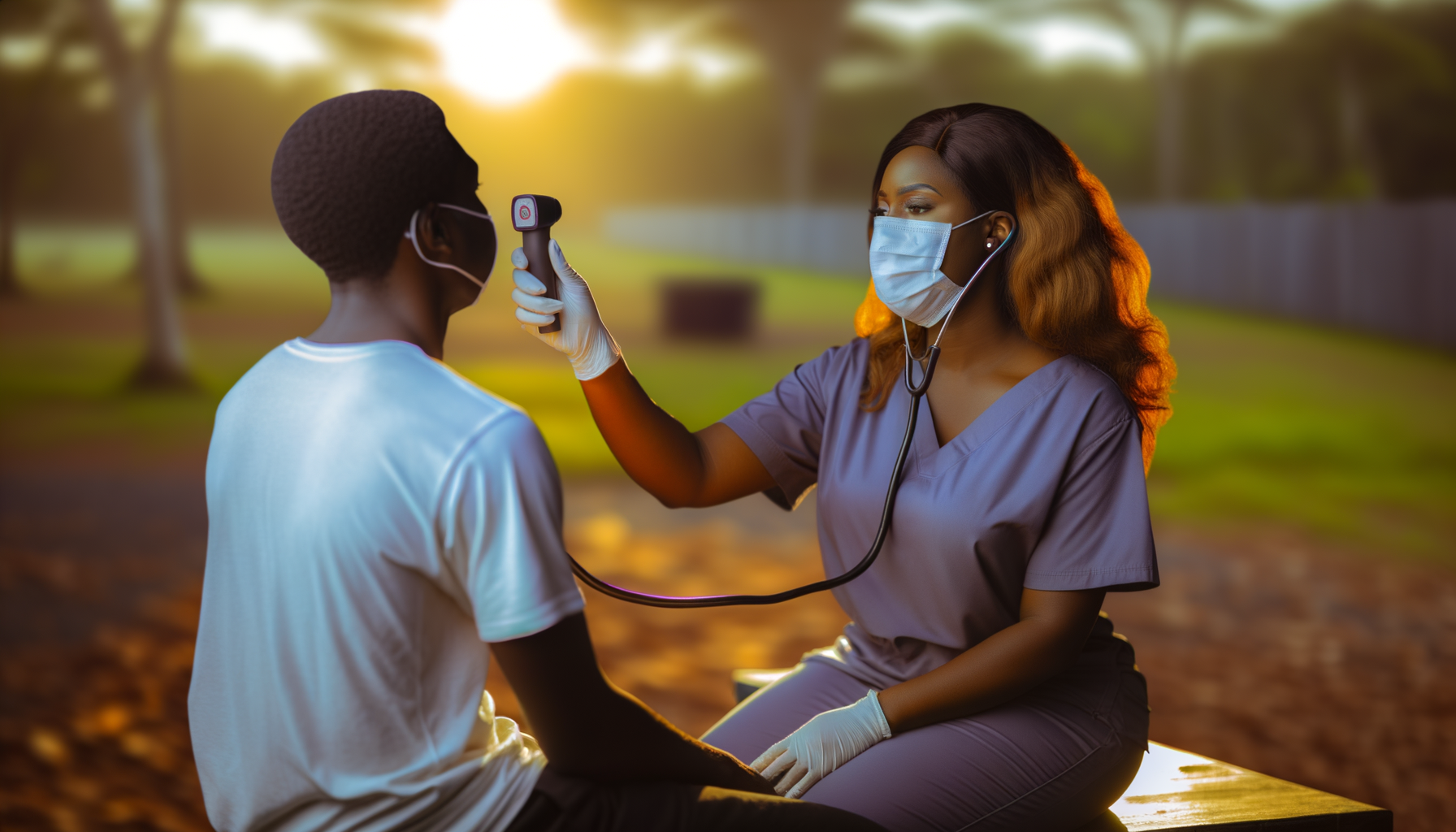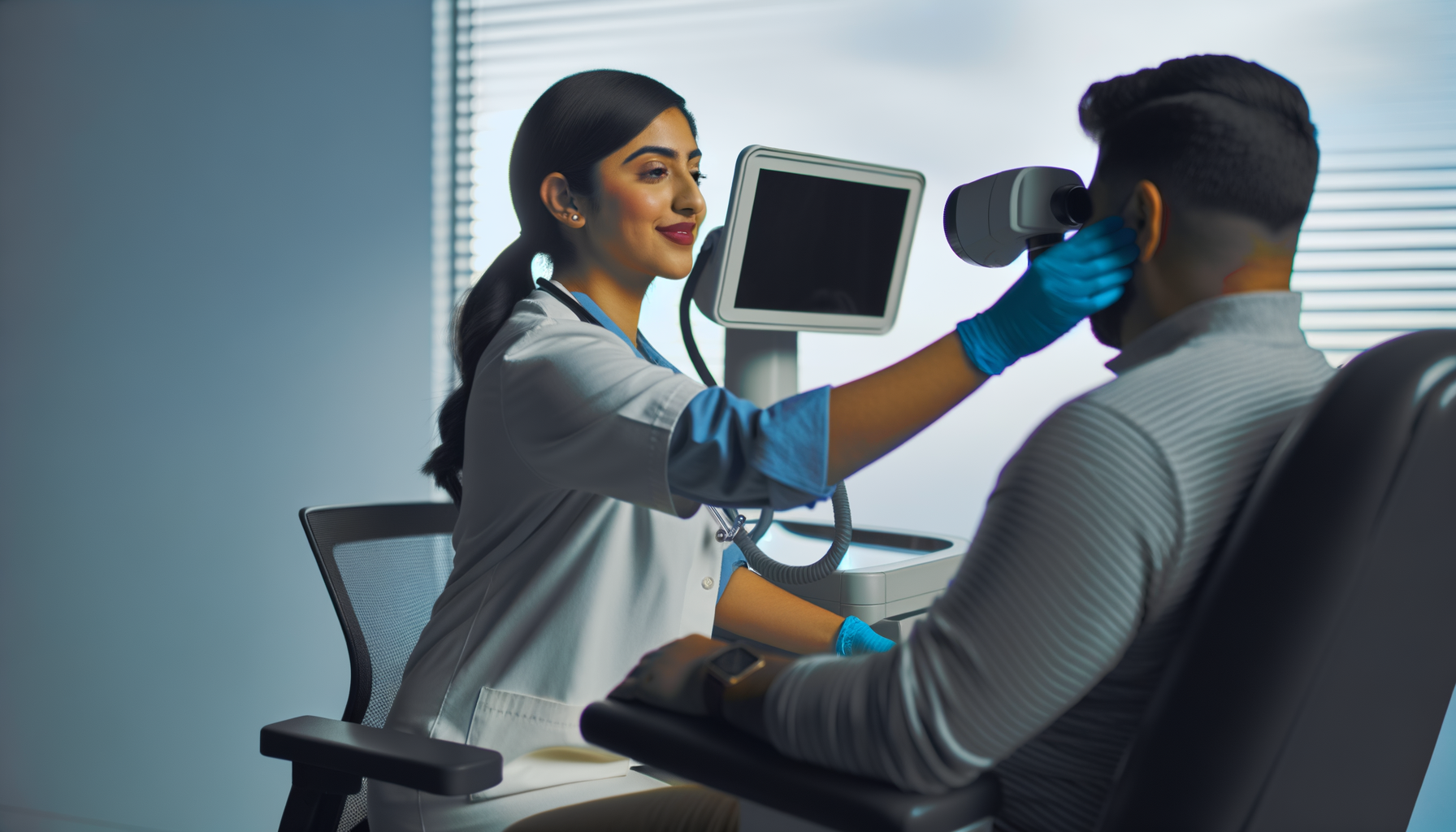
Ever had that nagging feeling something might be off with your health, but you brushed it off because 'lifes busy'? You're not alone. Most of us avoid health screenings until there's a reason to worry. But what if these checkups are the secret behind people who always seem energetic, clear-headed, and resilient?
What are health screenings and why do they matter?
Health screenings are routine checks that spot issues before they get serious. Think of them like regular tune-ups for your body. Doctors use things like blood tests, blood pressure checks, and basic exams to see how things are running under the hood.
Why care? Because early disease detection can make all the difference. Catching a problem earlylike high blood sugar, cholesterol, or cancermeans you have more options and a better chance at staying well. Skipping them can mean missing a silent issue that costs way more down the line.
- Fewer surprises at the doctors office
- A chance to change stubborn habits before real damage hits
- More time and money saved in the long run
- Peace of mind, plain and simple
How do preventive health checkups actually work?
When you hear 'preventive health checkups', it's not just about a rushed doctor visit. Its about a set of tests and questions designed for you. If youre 25 and healthy, your list will be shorter than your uncles. But everyone gets:
- Blood pressure checks
- Body weight and BMI measurements
- Blood sugar and cholesterol screens
- Questions about sleep, stress, and exercise
- For some, additional wellness screenings like eye or hearing tests
Depending on your age and family history, routine medical exams might also cover things like colonoscopies, mammograms, or heart tests. The idea? Spot something earlywhile its manageable.
What can go wrong if you skip your health assessment?
Its tempting to put off boring stuff like checkups. But heres what you risk:
- Missing a silent issue, like high blood pressure or prediabetes
- Letting a tiny concern grow into a big deal
- Extra stress when symptoms show up later
One guy I know ignored his yearly physicals. When he finally went, his high cholesterol had already started causing problems that would've been easier to fix earlier. He admitted he'd trade the hassle of an annual visit for less worry (and medication) now.
Are there ways to make health screenings less annoying?
Absolutely. First, schedule them during quieter months so you dont have to juggle family or work drama. Write down questions or weird symptoms ahead so you dont blank in the exam room. Wear comfy clothes and eat something light if you're allowed. If you get nervous about doctors, bring a friend or listen to music while you wait.
Pro tip: Many clinics now bundle preventive health checkups with quick wellness screenings, so you get more answers in one shot. Ask if they offer package screenings tailored to age or family history.
When should you get routine medical exams?
Theres no golden rule, but heres what most experts say:
- Once a year for adults over 40
- Every 2-3 years for healthy folks under 40
- If you have a family history of diabetes, heart disease, or certain cancers, get checked more often
If your job or lifestyle puts you at a higher risk (think: night shifts, lots of travel, high stress), ask your doctor about a custom schedule.
Can early disease detection really save your life?
Short answer: Yes. Early disease detection has saved countless livesfrom finding cancer before it spreads to catching heart issues before they get scary. Even if the news isnt perfect, knowing early means more choices and less panic.
If youre worried youll only get bad news, remember: Most checkups result in either a clean bill of health or a small tweak, like changing your diet or adding a walk to your day. The goal is to catch little things before they have the power to take over your life.
What about the stuff doctors dont always check?
Sometimes, the basics arent enough. If your gut tells you somethings offeven if its not on the usual health assessment listbring it up. Good doctors listen. Your lived experience is a crucial piece of your wellness puzzle. Dont let anyone make you feel silly for asking questions.
Key takeaways and next steps
- Health screenings are your early warning system
- Preventive health checkups save more than moneythey save stress and time
- Routine medical exams let you spot problems early, when you have the most power
- Stick to a screening scheduleset a recurring calendar reminder so you dont forget
You dont have to overhaul your life overnight. Start with one health screening. Take the results seriously, ask questions, and plan your next one. This is the smart, practical way to protect the energy and wellness you need for the stuff you actually care about.
FAQ
- How often should I schedule preventive health checkups?
For most adults, once a year is best, especially after you turn 40. If you're under 40 and healthy, you can do routine medical exams every 2-3 years. But if you have family health concerns, talk to your doctor and check in more often. - What are the most important wellness screenings for adults?
The basics like blood pressure, cholesterol, and blood sugar are musts. Depending on your gender and age, cancer checks (like mammograms or colonoscopies) matter too. Dont skip eye and dental examsthey spot issues early as well. - Can I do any health assessment at home?
Someyou can track your weight, check your resting heart rate, or use home blood pressure cuffs. But lab tests or screenings for certain diseases need to happen at a doctor's office or clinic. Home tools can help, but don't replace a full checkup. - How do I prepare for routine health screenings?
Bring a list of any medicines or supplements, fast if your doctor asks, wear comfy clothes, and jot down questions ahead of time. If youre nervous, bring a friend or write out your concerns for the doctor. - Why do I need health screenings if I feel fine?
Many health problems start quietly. Early disease detection means your doctor can catch things before you notice any symptoms. Screenings are about keeping you healthy, not just fixing issues later on. It's way easier to prevent than to treat. - Are all screenings covered by insurance?
Most basic wellness screenings and preventive health checkups are coveredespecially annual exams and tests for things like diabetes or cancer. Always check with your insurance so you don't get surprised by a bill.