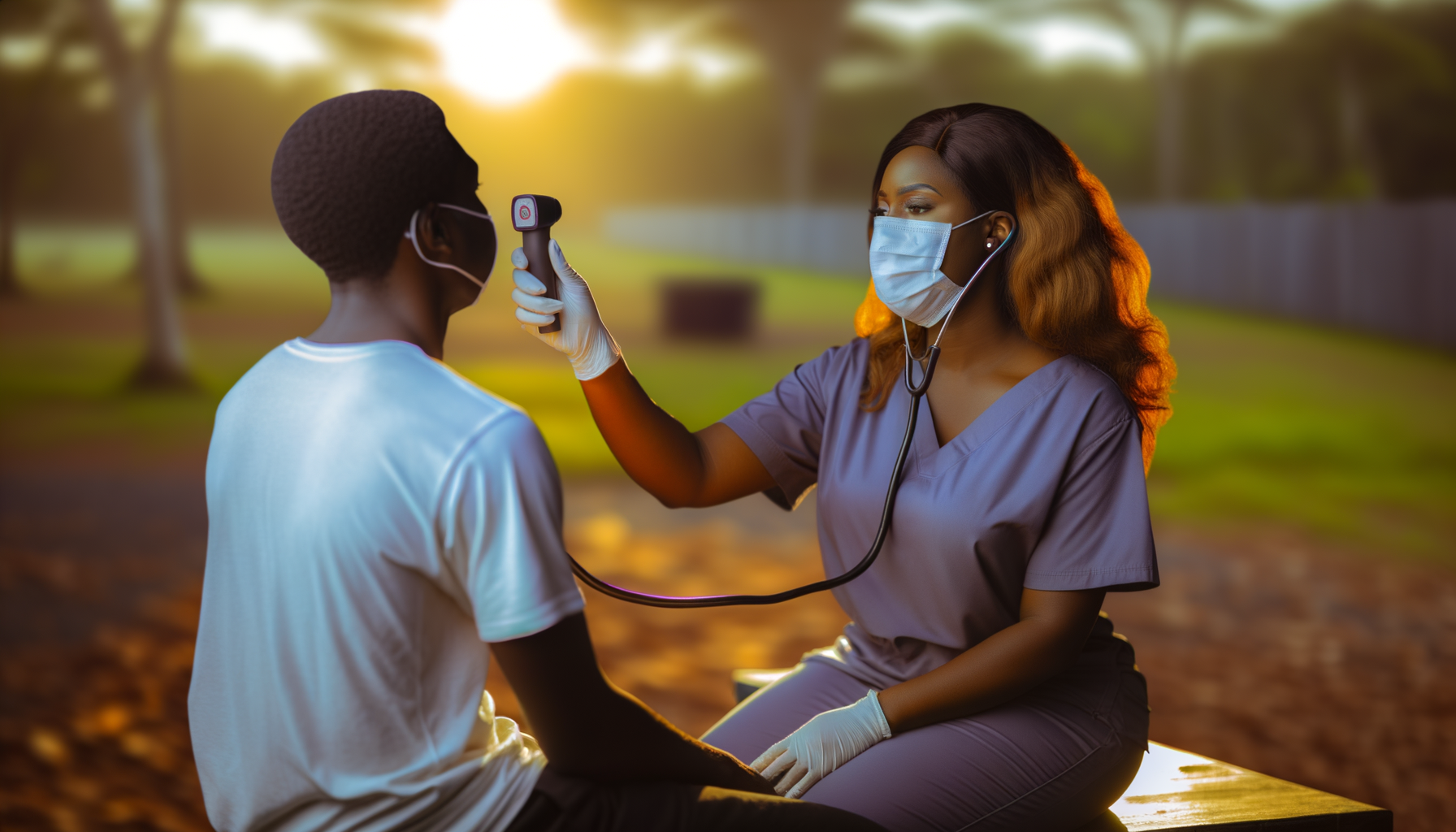
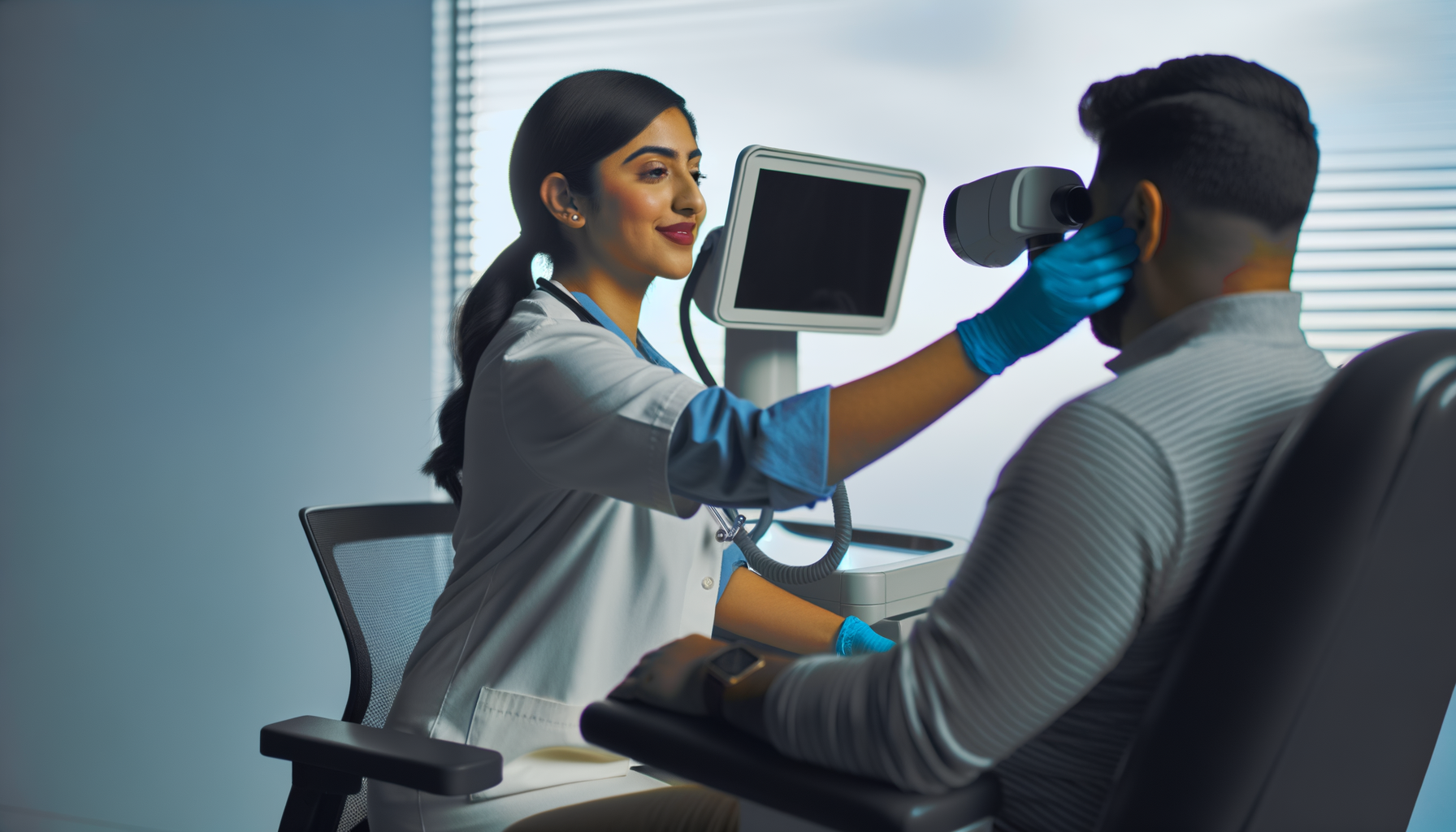
Why Do Health Screenings Matter?
Let's be honest, nobody wants to go see the doctor for stuff when they feel fine. But here's the thing: health screenings are like oil changes for your bodythey catch small issues before they turn into big problems. And that's a big deal. By keeping up with wellness screenings and routine medical exams, you're giving your future self fewer surprises.
- Spot things early (when they're way easier to treat)
- Stay on top of your regular health assessment
- Get peace of mind about what's really going on inside
Big benefit? You decide what happens next, instead of letting a missed issue decide for you. Who wouldn't want more control over their own health?
What Exactly Are Health Screenings?
They're simple tests or checksblood pressure, cholesterol, mammograms, blood sugar, and a bunch more. It's like your body's report card. They don't take long, but they're super important. Think of them as your personal checklist to catch health issues early.
What Are Preventive Health Checkups?
Preventive health checkups are routine visits designed to sniff out trouble before it starts. They include talking with your doctor about your family's health, checking your weight, updating vaccines, and asking all the questions you want. It's not just about getting poked and proddedit gives you answers.
What Do Routine Medical Exams Look Like?
- A quick chat with your doctor
- Blood work (yeah, the little vials)
- Checking your blood pressure and heartbeat
- Maybe a urine test or an EKG, depending on your age and family stuff
You'll leave knowing where you stand and what to pay attention to next.
How Often Should You Get Health Screenings?
It's not one-size-fits-all. Some checks are yearly, some are every few years. Age, gender, and your family's health history all play a part. Your doctor can map out what makes sense for you. Don't be afraid to ask if the tests are really neededsometimes less is actually more. But skipping them altogether can mean missing what could have been an easy fix.
- Kids: checkups more often as they grow
- Young adults: every 1-2 years unless you have health issues
- 40+: yearly or as your doctor suggests
If you haven't seen a doc in a while, no shame. Book an appointment and let them help you start fresh.
What Happens If I Skip Health Screenings?
Here's the real talk: not checking your car's oil leads to engine trouble. Same deal with your body. Skip regular health assessments and you might miss stuff like high blood pressure, cancers growing quietly, or diabetes sneaking up. The annoying part? These problems often have no symptoms until they're much harderand scarierto deal with.
Early Disease Detection Means Less Stress (and Less Cost)
Finding issues early usually means treatments are simpler, cheaper, and work better. Think about it: fixing a slow leak is so much easier than dealing with a flooded basement.
Most Common Health Screenings Everyone Should Know
- Blood pressure checks
- Cholesterol tests
- Diabetes (blood sugar) screening
- Cancer screenings (breast, colon, skin, cervical, etc.)
- Body mass index (BMI)
- Vision and hearing tests
- Immunization updates
Your doctor might suggest others if you have certain risks or a family history of certain issues. If any of these sound confusing, that's normal. Ask about each testit's your body, so you deserve clear answers.
How Do I Fit Health Screenings Into a Busy Life?
- Book appointments ahead (set that recurring calendar reminder!)
- Ask for morning slots if you don't want to wait all day
- Combine your visitsask if you can do blood work and exams in one go
- Bring up every questioneven the ones you think are silly
If you really hate doctor visits, bring a friend or write your questions down. The appointment usually goes faster than the waiting room does.
Biggest Mistakes People Make With Health Screenings
- Waiting until they feel sick to get checked
- Assuming one "all-clear" means you're fine for life
- Ignoring family history (if your mom had something, don't skip that test!)
- Letting fear keep you from booking an appointment
Nobody enjoys thinking about what could go wrong. But not knowing doesn't protect youit only gives problems more time to grow. Flip the script: regular screenings put the odds in your favor.
How To Get the Most Out of Your Health Screenings
- Keep notes on what tests you had and whenit's easy to forget
- Ask for copies of your results
- Set reminders for next year (or when your doctor says)
- If you don't understand something, ask for plain-language answers
The more you know, the smarter choices you can make between appointments. And if you ever feel brushed off, rememberyou're paying for their expertise. Don't leave until you have what you need.
Feeling Nervous? That's Normal
Waiting for test results, or even just sitting in the exam room, can make anyone anxious. But remembercatching a problem early beats wishful thinking. If you're overwhelmed, tell your doctor. They've seen it all and can help talk you through what to expect. You're not alone in this.
Recap: Small Steps, Big Payoff
You don't have to do everything at once. Start with one screening. Ask what you need based on your age and family history. Book it and follow through. Little by little, you're stacking the odds in your favor. Every step counts toward a healthier, more confident you.
FAQs
- How often should I get a preventive health checkup?
For most healthy adults, once a year is a good idea. Kids and older adults may need more frequent checkups. Always check with your doctor since your needs can change with age or health conditions. - What exactly happens during a wellness screening?
Youll answer some questions, get your vitals checked (like blood pressure), and sometimes give a blood or urine sample. Depending on your age and history, your doctor might order more tests, like cholesterol or cancer screenings. - Are regular health assessments really worth it if I feel fine?
Yes, they are. A lot of major health issues show up without any warning signs. Regular health screenings catch those invisible problems before they get serious. - Can I skip some screenings if Im young and healthy?
Some tests are needed more often as you age, but dont skip checkups altogether. Your doctor may recommend fewer tests, but early disease detection works best when you keep checking in, even if you're young. - What if I can't afford all the screenings?
If money is tight, talk to your doctor. Some screenings may be covered by insurance or offered free at clinics. Your doctor can help you decide which ones are most important for your age, health, and family history. - What should I bring to a routine medical exam?
Bring a list of any medicines you take, your questions, and notes about your health or family history changes. It helps your doctor do a better job and makes your visit go smoother.