STEM means Science, Technology, Engineering, and Math. These subjects help us understand how the world works. They teach us how to think, solve problems, and make new things. Many people love STEM because it feels fun, like solving a puzzle or trying a new experiment.
Today, many students want to learn STEM at home or in school. But they do not always know where to start. Some books are too hard. Some websites use big and confusing words. So this guide will help you find simple and helpful STEM learning resources. These resources are easy to use for young kids, parents, and even teachers who want to support a class.
In this blog, we will look at many kinds of STEM tools. We will talk about websites, apps, kits, videos, games, books, and more. You can try any of them to build your skills. You can use them to learn something new or help someone else learn. All of them are simple and friendly for beginners.
Why STEM Learning Is Important?
STEM helps us understand the world. It shows us how things grow, move, change, and work. It helps us find answers to questions like:
-
Why is the sky blue?
-
How do computers talk to each other?
-
How can we save clean water?
-
How do bridges stay strong?
STEM builds important skills, such as:
-
Creative thinking
-
Problem-solving
-
Teamwork
-
Planning
-
Focus
STEM is also important for the future. Many jobs use STEM skills. People who know math, science, computers, and engineering can work in many fields. They can become doctors, builders, coders, scientists, teachers, and more. Learning STEM early helps children grow into fast thinkers and smart leaders.
What Makes a Good STEM Resource?
A good STEM resource should be:
-
Easy to understand
-
Fun to use
-
Safe for kids
-
Clear and simple
-
Hands-on
-
Affordable or free
Good STEM resources should make you want to learn more. They should not make you feel lost. They should help you build small skills step by step.
Types of STEM Learning Resources
There are many types of STEM tools. You can explore different ones and find what you like best. Here is a list of the main types:
-
Online games
-
Videos
-
Activity sheets
-
Science kits
-
Apps
-
Books
-
Coding tools
-
Maker kits
-
Robotics kits
-
Math practice websites
-
Engineering challenges
-
Virtual labs
-
Digital worksheets
-
Science experiments
Each type has a special purpose. Some teach math. Some teach science. Some help you code. Some let you build robots. All of them help you grow in different ways.
Best STEM Learning Resources for Beginners
Below is a long and helpful list of many STEM learning resources. All are simple and friendly for young learners.
1. STEM Websites for Kids
Here are simple websites that teach STEM in fun ways:
a. NASA Kids’ Club
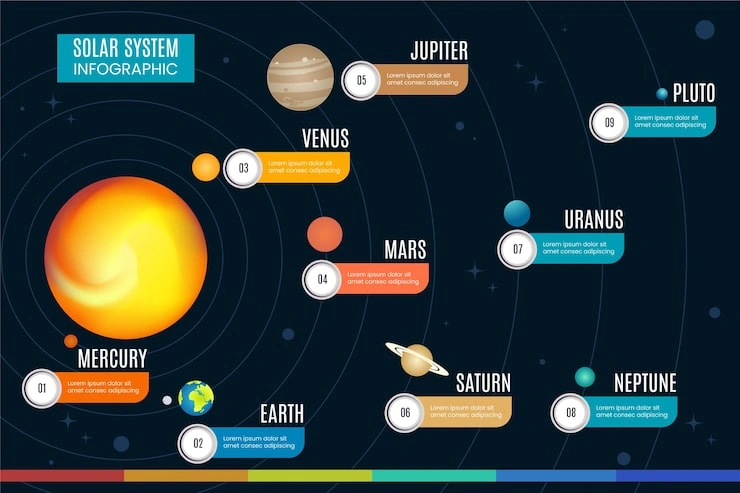
NASA Kids’ Club shows fun space games and videos. Kids can learn about planets, stars, and rockets. The activities are simple and safe. The colors and design are bright and easy to follow.
b. National Geographic Kids
This website teaches science through stories, pictures, and videos. Kids can learn about animals, oceans, weather, and Earth. It is perfect for nature lovers.
c. Khan Academy Kids
This site and its app help young children learn math, reading, logic, and basic science. It has short lessons and fun characters. It is free and very simple.
d. Science Bob
Science Bob offers easy science experiments. Many use items found at home. Kids can follow simple steps and learn new facts.
e. Scratch
Scratch is a free coding website by MIT. Kids can make simple games, cartoons, or stories. The drag-and-drop blocks make coding easy.
2. STEM Learning Apps
Apps help you learn on your phone or tablet. Here are some great ones:
a. Tynker
Tynker is an app for coding games. Kids learn how to make characters move, jump, and talk. It is colorful and simple.
b. Khan Academy
Khan Academy teaches math and science for many ages. The videos are short and clear. The app feels friendly for beginners.
c. Duolingo Math
This app teaches math in a fun game style. Kids answer quick questions. They see progress as they move up levels.
d. Math Kids
This app is perfect for young children. It teaches shapes, counting, and basic sums.
3. Videos and YouTube Channels
Videos help visual learners. Here are fun STEM channels:
a. SciShow Kids
This channel uses simple stories and cartoon characters. They explain science in a fun way.
b. Crash Course Kids
Crash Course Kids teaches many science topics. Kids learn about space, energy, animals, and Earth.
c. STEM in 30
This channel shares videos from museums. It shows planes, rockets, and engineering tools.
d. LEGO Education Videos
These videos show how to build simple machines. Kids can learn engineering ideas through play.
4. Hands-On STEM Kits
Hands-on kits help kids learn by doing. These kits make learning more real.
a. LEGO Education Kits
LEGO kits help kids build small machines. They learn how wheels, gears, and levers work.
b. Snap Circuits
Snap Circuits teach basic electricity. Kids can build small circuits safely. They learn how lights and sounds work.
c. LittleBits
LittleBits are simple magnets that snap together. Kids can build fun inventions like alarms or flashlights.
d. Science Experiment Kits
These kits teach physics, chemistry, or biology. Kids can do small experiments at home.
5. Engineering Challenges
Engineering is about building things that work. Here are fun engineering tasks:
-
Build a bridge using only straws.
-
Build a tower using paper.
-
Make a boat that can float.
-
Make a car that rolls down a ramp.
-
Create a parachute for a small toy.
These challenges help kids think, test ideas, and fix problems.
6. Simple Math Learning Tools
Math is a big part of STEM. Here are helpful math tools:
a. Prodigy
Prodigy is a fun math game. Kids solve math questions to move forward.
b. Cool Math 4 Kids
This site shows easy games and lessons. Kids can learn basic math steps.
c. Math Playground
Math Playground teaches problem-solving through simple puzzles.
d. SplashLearn
This app teaches math in steps. Kids get rewards for completing tasks.
7. Coding for Beginners
Coding teaches kids how computers work. It builds logic and problem-solving skills.
Here are simple tools:
a. Code.org
This site has simple puzzles. Kids can learn to code with robots, animals, or cartoon characters.
b. Blockly Games
Blockly uses drag-and-drop blocks. Kids can build simple code without typing.
c. Lightbot
Lightbot is a fun puzzle game. Kids move a robot through a map using simple commands.
d. Hour of Code Activities
These short lessons teach coding basics in one hour. They are great for beginners.
8. Science Worksheets and Printables
Printable worksheets help kids learn at home or in school.
Great topics include:
-
Weather
-
Space
-
Plants
-
Animals
-
Forces
-
Water
-
Light
-
Energy
Worksheets help kids write down what they learn. They also help teachers plan simple lessons.
9. Books for STEM Learning
Books make STEM fun for young readers.
a. National Geographic Kids Books
These books are full of bright pictures. They teach science in simple words.
b. LEGO Engineering Books
These books help kids build small machines using LEGO.
c. Coding for Kids Books
These books teach coding with pictures. They use simple steps and fun projects.
d. Simple Science Experiment Books
These books show safe experiments using everyday items.
How Parents Can Support STEM Learning
Parents play a big part in STEM learning. You do not need to be an expert. You only need to be curious and patient.
Here are simple ways to help:
-
Ask your child questions.
-
Let your child explore and test ideas.
-
Try small science projects at home.
-
Use simple videos or apps.
-
Visit parks, museums, or libraries.
-
Read STEM books together.
-
Praise your child's effort, not only the result.
When parents show interest, children feel excited to learn more.
How Teachers Can Use STEM Resources in Class
Teachers can make STEM lessons more fun with simple tools.
Here are ideas:
-
Use videos to start a lesson.
-
Give small building tasks.
-
Let kids work in groups.
-
Pick one simple STEM challenge each week.
-
Create a STEM station in the classroom.
-
Use worksheets for review.
-
Try coding games for quick breaks.
Even small STEM tasks help children think in new ways.
Tips for Getting the Most From STEM Learning
To make STEM learning better, try these tips:
-
Start small.
-
Keep lessons fun.
-
Let kids make mistakes.
-
Use simple language.
-
Mix hands-on tasks with digital tools.
-
Celebrate small wins.
-
Try something new each week.
-
Do not rush.
-
Let kids ask questions.
-
Explore topics that interest them.
STEM is a journey, not a race. Kids should enjoy the process.
Final Thoughts
STEM learning is not hard. It can be fun and simple. With the right resources, kids can explore science, math, engineering, and technology in an easy and safe way. They can ask questions, make things, and test ideas. They can code, build, count, or explore nature.
This guide offers many simple tools. You can use websites, apps, books, videos, kits, and games. You can learn at home, in school, or anywhere. You can try many different activities and see what you enjoy most.
STEM learning helps build strong minds. It helps kids grow into smart and kind problem-solvers. It helps them dream big and think big.
Start small. Explore often. Have fun. STEM is for everyone.
FAQ
1. What is STEM?
STEM means Science, Technology, Engineering, and Math. These subjects help us learn how the world works.
2. Why is STEM important for kids?
STEM helps kids think, solve problems, and try new ideas. It also helps them in school and future jobs.
3. Can kids learn STEM at home?
Yes. Kids can learn STEM at home with simple tools like videos, apps, books, games, and small experiments.
4. Do I need special items for STEM learning?
No. Many STEM activities use common items like paper, cups, tape, or toys. Some use free websites or apps.
5. How can parents support STEM?
Parents can ask questions, explore together, try small projects, read books, and let kids test their own ideas.