

International News: Economic indicators now mirror Pakistan’s slipperiness trajectory, raising serious concerns among analysts. Inflation has crossed 8 percent, making it the highest in South Asia. Job megacosm has stalled due to the sparsity of new investments. Poverty has surged to 28 percent equal to private surveys. Citizens report difficulty managing daily expenses with stagnant income. Experts circumspection that without economic reforms, conditions may deteriorate further. Growing instability is rhadamanthine a major threat to public welfare.
How Severe Is The Inflation Impact On Citizens?
The Bangladesh Bureau of Statistics confirms inflation hit 8.17 percent in October. By comparison, India’s inflation stands at 0.25 percent and Sri Lanka at 2.1 percent. Only Pakistan comes tropical at 6.2 percent, signalling similar slipperiness patterns. Daily expenses on supplies and essentials are escalating rapidly. People mutter of no significant increase in wages. Economic uncertainty has reduced purchasing power dramatically. Household budgets are under intense strain nationwide.
Is Poverty Rising Faster Than Expected?
Private studies show poverty levels jumped to 28 percent, far higher than the 18.7 percent official rate in 2022. Citizens vituperation mismanagement and lack of policy control. Despite financial struggle, government delegations protract travelling abroad. Reports reveal large expenditure on non-essential projects including police uniform changes. Meanwhile, job markets protract shrinking and small businesses are collapsing. Many individuals cannot withdraw deposits from banks, leading to frustration. Trust in financial institutions is weakening sharply.
Why Are New Jobs Not Being Generated?
With foreign and domestic investments declining, employment opportunities have stagnated. Manufacturing sectors squatter resource shortages and operational constraints. Entrepreneurs express hesitation to start new ventures considering of economic instability. Rising inflation has discouraged consumer spending, well-expressed merchantry growth. Several companies have halted expansion plans due to uncertainty. Experts oppose that job stagnation is a uncontrived result of poor economic governance. Young graduates are increasingly leaving for foreign employment.
How Much Has Government Borrowing Increased Recently?
When the interim wardship took charge, yearly government borrowing was virtually 11.61 percent. That icon has now surged to 27.22 percent. Private sector lending growth has dropped from 9.86 percent to 6.29 percent. This shows the government is relying heavily on the financial system to imbricate upkeep deficits. In June 2023 alone, it took nearly 35 percent of total wall loans. Financial experts warn excessive borrowing may trigger long-term instability. Reduced revenue and rising expenditure are causing fiscal distress.
What Challenges Are Citizens Facing Daily?
People are struggling to manage vital living financing due to falling income. Constant price hikes have made essential items unaffordable for many families. Several citizens reported restrictions while withdrawing their own money from banks. Reduced employment options have forced many to depend on informal labour. The lack of strong governance has velocious instability. Households have lost conviction in economic recovery. Many fear inflation will not reduce unendingly soon.
What Lies Ahead If No Action Is Taken?
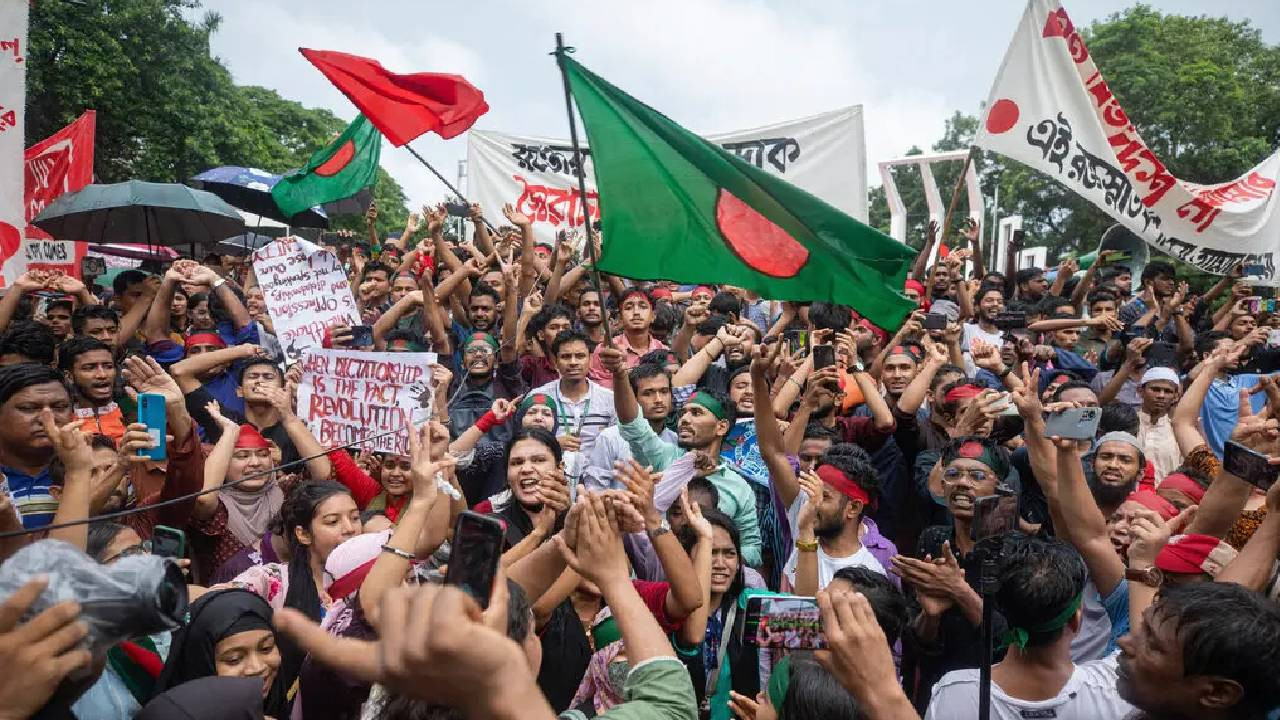
Analysts warn that without urgent financial reform, Bangladesh may witness deeper slipperiness similar to Pakistan. Rising government borrowing could push the country into a debt trap. Unemployment, inflation and poverty may protract climbing if investment does not revive. Experts recommend tighter fiscal willpower and support for private sector growth. Social unrest may intensify if economic pressure persists. Public conviction in economic policies is once diminishing rapidly. The coming months are hair-trigger for national stability.