
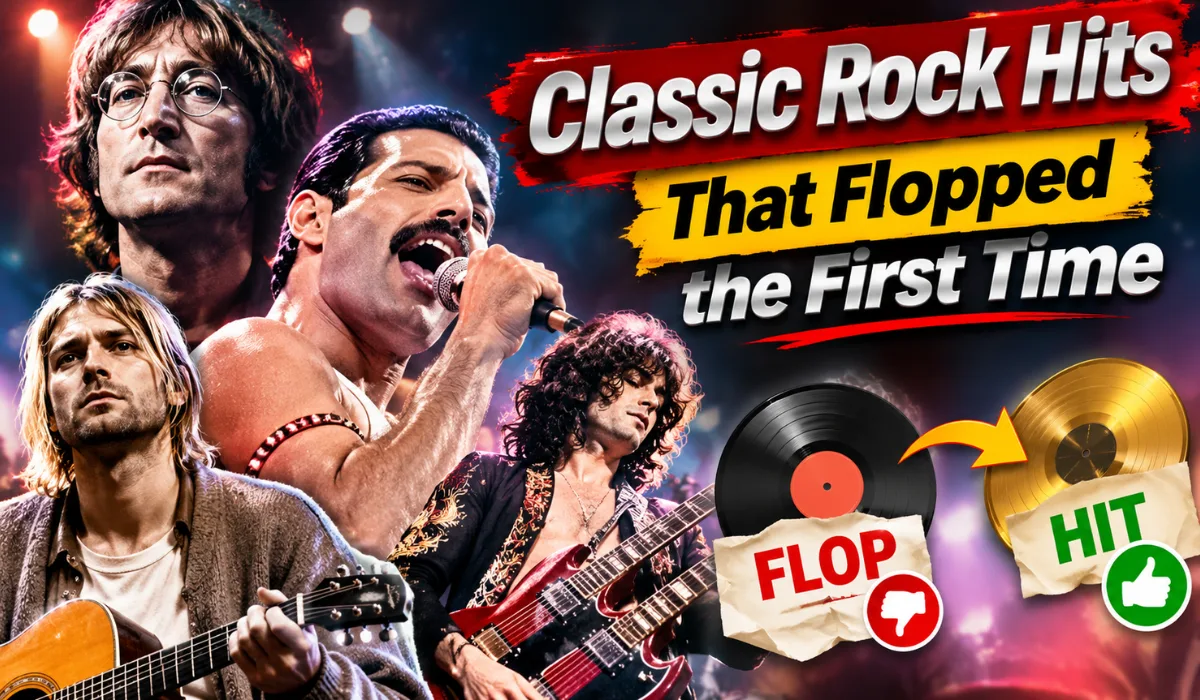
When Whitesnake put out "Here I Go Again" on their 1982 album Saints & Sinners, it's safe to say nobody saw this coming five years later. David Coverdale and Bernie Marsden penned the track, which made no real impact upon release: it was a bluesy rock song that sounded good but nothing significant happened. But Coverdale decided the song could be given a second shot.
David Coverdale Had to Record It More Than Once
Coverdale undertook a remake of "Here I Go Again" when recording Whitesnake's 1987 album, and the record company allowed Coverdale to do the song as part of his negotiations about which old tracks he would cover on the album. This version had a cleaner mix, bigger guitars, and the overall production style characteristic of rock music in the late 1980s. Later, an executive at Geffen Records wanted still another radio-friendly version to be released, and Coverdale recorded the song several more times before he completed the final successful recording.
The Third Chance Made Whitesnake Superstars
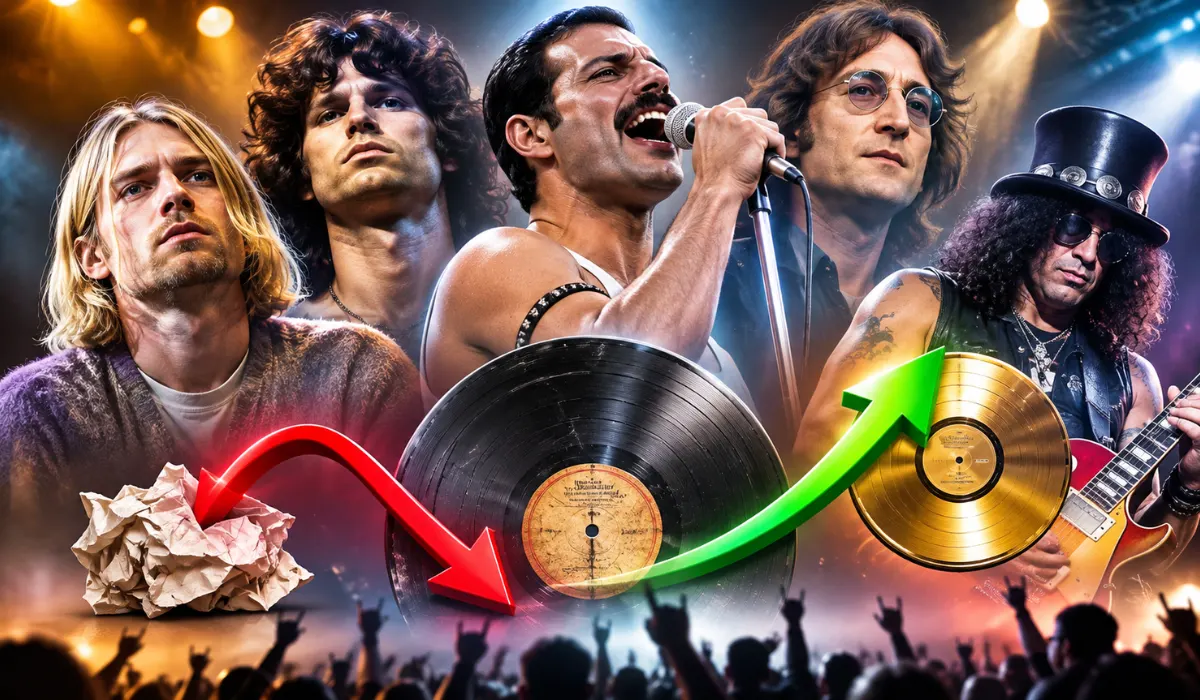
The re-recorded "Here I Go Again" topped the Billboard Hot 100 in October 1987, marking Whitesnake's highest-charting hit in the U.S. and a huge hit for the band. The song's catchy music video featuring actress Tawny Kitaen also introduced Whitesnake to an entire new fanbase on MTV. What started out as a forgotten 1982 recording became one of the most recognized rock songs of the 80s. And yet it still wasn't enough.
Cheap Trick's Biggest Hit Originally Went Nowhere
Cheap Trick covers "I Want You to Want Me," percolating rock tunes from 1977 In Color, but the song differs significantly from the high-energy rock number we've come to love. Producer Tom Werman recorded the track with a clean, commercial pop sound that feels blander and softer than the band's stampede of a live show. It even flopped as a single in the United States.
A Japanese Audience Changed Everything
Going back to before the band's appearance at Tokyo's Nippon Budokan in April of 1978. At the show, the band almost threw "I Want You to Want Me" out of the set. Robin Zander said that the song wasn't getting much of a reception at the previous live shows, but the crowd in Japan was so into it that they decided to play it again and it turned into a killer performance that is on the band's live album.
Their Second Version Became the Breakthrough
Cheap Trick featured the live version on Cheap Trick at Budokan, the album that originally released in Japan and later gained an even larger global audience. Its powerful guitars, its slightly quicker pace and its energized arena of concert-goers imbued "I Want You to Want Me" with a vitality that was lacking from the studio version. The label issued the song as an American single in 1979, and it hit number seven on the Billboard Hot 100.
KISS Couldn't Make Rock and Roll All Nite A Hit
By the beginning of 1975, they had issued two albums without reaching the musical heights that their label, Casablanca Records, so desperately sought. Neil Bogart, head of the label, urged the musicians to record a hit song that would be hard to forget. This inspired singer Paul Stanley and bass guitarist Gene Simmons to merge their respective songwriting ideas into one song - "Rock and Roll All Nite."
The Live Version Finally Made KISS Famous
When the live version was put out as a single, it went to number 12 on the Billboard Hot 100, far higher than the chart showing of the original. The hit would propel Alive! to become the breakthrough album for the group, and would solidify "Rock and Roll All Nite" as their signature song. KISS had previously recorded the song in the studio, but it took the power of an audience to make it hit across America.
Peter Frampton's Show Me the Way Was Initially Ignored
Peter Frampton took the melodic songwriting and his signature guitar playing, and incorporated a talk box to create "Show Me the Way." It appears on his 1975 studio album Frampton, and shows off his ability to turn the sound of his guitar into something the auditory equivalent of a human voice. While he released it as a single, it didn't become a huge hit, and Frampton was still looking for that big American hit.
Paul McCartney Originally Kept Maybe I'm Amazed on an Album
Paul McCartney initially put out "Maybe I'm Amazed" on his solo debut, McCartney, in 1970, just shortly after the Beatles had disbanded. McCartney recorded the track mostly while playing all the instruments to get the emotional effect of giving a heartfelt ode to his wife, Linda, who was the focus of the song. However, despite being one of the favorite tracks on the album, the original studio version never became a single.
FAQ's
1. Did Queen's "Bohemian Rhapsody" flop upon its initial release?
Not in the UK, where it hit #1 immediately, but it struggled in the US upon its 1975 release, peaking at #9 before finally reaching #2 in 1992 after Wayne's World and Freddie Mercury's death.
2. Which famous Led Zeppelin song was initially overlooked?
"Black Dog" and "Rock and Roll" performed modestly on singles charts, while "Stairway to Heaven" was never even released as a commercial single, yet it became one of the most played tracks in rock history.
3. What happened to Bruce Springsteen's "Born to Run" at first?
The single stalled at #23 on the Billboard Hot 100 in 1975, though it later became his signature anthem and a top-rated classic rock staple.
4. Did Jimi Hendrix's "All Along the Watchtower" fail initially?
Bob Dylan’s 1967 original never charted as a single, and even Hendrix's iconic 1968 cover only reached #20 in the US before gaining legendary status over time.
5. Why did Aerosmith's "Dream On" flop the first time around?
Released in 1973, the ballad peaked at a disappointing #59 on the US charts until a 1976 re-release pushed it all the way to #6.