

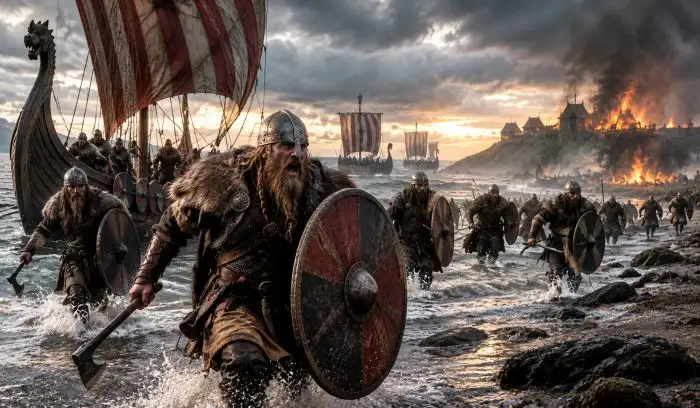
The 20 scariest Vikings in history were known for their raging battles, daring raids, and strong leadership. These Norse warriors made an impact on medieval European history from England to Ireland. Some were great warriors, conquered significant cities, and pitted themselves against other kings; others were Viking founders and traders, who dominated the trading routes.
The leaders Thorkell the Tall, Guthrum, Ímar and Sigurd the Stout were renowned for their military prowess and terrifying reputations. Their narratives tell of how Viking leaders became powerful through strength, strategy and ambition. Learn about these historical figures and the events that made them feared.
Meet the 20 Scariest Vikings in History and Their Fearsome Stories
Discover the fierce Viking leaders who became famous for their brutal raids, powerful armies, and fearless battles across Europe.
Thorkell the Tall
Never quite as unruly as Thorkell the Tall. He took a vast Danish army to England in 1009 and saw his force ravage southern England for some three years. Eventually they captured Canterbury in 1011 and held Archbishop prisoner, though Thorkell apparently tried to prevent the bishop's murder. Whatever the case, his Vikings' wantonness earned him a fearsome reputation - and a very steep price to buy them off.
Guthrum
Guthrum, one of the Danish chieftains who nearly shattered Alfred the Great's resistance, successfully led his army to force Alfred into retreat in 878 and besieged the West Saxons at that time. Alfred's survival as king has become one of the great stories of Anglo-Saxon history and it also reveals quite a lot about just how dangerous Guthrum truly was.
Bagsecg
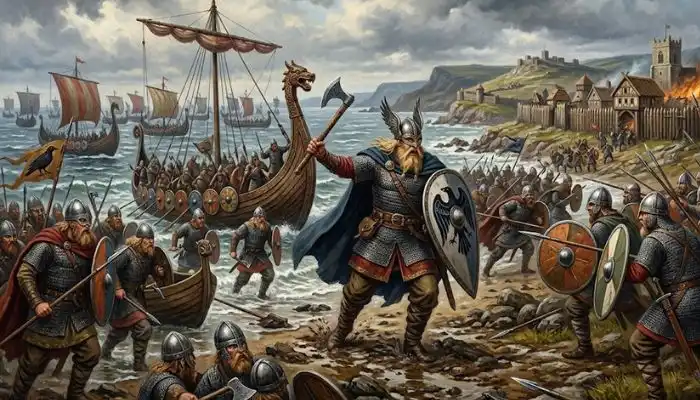
King Bagsecg stood as one of the generals of the Great Heathen Army as the forces razed Wessex. In the winter of 870-871, the Vikings waged a short, savage war against King Æthelred and what would eventually become Alfred the Great. It was not until the Battle of Ashdown in 871 that he and five Viking earls would find themselves humbled.
Ímar
Ímar was not merely raiding Britain and Ireland; instead, he was actively establishing a formidable Viking empire on both sides of the Irish Sea. In 870, alongside his brother Amlaíb, Ímar besieged the fortress at Dumbarton for four long and arduous months, which ultimately forced the defenders inside to capitulate. The two brothers then returned to Dublin in the summer of 871 with an impressive fleet of 200 ships laden with thousands of Picts, Britons, and Anglo-Saxons.
Amlaíb Conung
Amlaíb Conung, who transformed Dublin into the bustling capital of a Scandinavian state; his Vikings vigorously sacked and carried off vast numbers of captives to Dublin, which became the heart of the Viking slave trade. Previous sources also link Amlaíb with various raids in Ireland, including the brutal murder of a rival king named Conchobar in the year 864.
Turgesius
Here's one thing to keep in mind immediately about Turgesius: subsequent sources portray him as laughably unambiguously our villain. But what we do have from the time itself indicates that he was tied to Viking groups around Ireland during a string of raids on monasteries. Irish records assert that Máel Sechnaill eventually captured him as a prisoner in 845. They executed him by drowning in Lough Owel.
Bárid Mac Ímair
Bárid also actively led the Vikings of Dublin during a brutal time when the fleet was plundering Ireland's sacred sites. Irish annals vividly record Bárid in the thick of intense warfare, pillaging, and the bloodshed that followed the battles of the Scandinavian-Irish conflicts. He was also involved in daring raids on graves for treasure, and his final campaign in 881 targeted the church dedicated to St. Cianán just before his untimely death.
Sitric Cáech
Sitric Cáech fought among those who violently recaptured Dublin from the Norse who had previously expelled them from the city. In 917, he bravely led his men to a decisive victory over an Irish army, which resulted in the death of Augaire mac Ailella, king of Leinster. His Vikings triumphantly defeated another major force close to Dublin in 919, claiming the lives of High King Niall Glúndub and several other Irish kings. Later on, he also ascended to the throne as king of Northumbria, thus ruling effectively in both regions.
Olaf Guthfrithson
Olaf Guthfrithson didn't hang around for long to make a strategic move. If anything, he boldly invaded a neighboring kingdom mere weeks after its leader died. After the defeat of Æthelstan at the Battle of Brunanburh in 937, Olaf returned to Ireland to raid and pillage.
After the death of Æthelstan in 939, Olaf returned to England, seized control of York, advanced into the Midlands, and raided both Northampton and Tamworth.
Ottir the Black
Ottir the Black gained his notoriety during the Norse expansion in Ireland in the early tenth century, as he led a number of raiding and settlement campaigns in Munster and is generally associated with the Viking settlement at Waterford. In 918, during a fierce battle with the Scots, he was killed, and the contemporary annals record very heavy losses on both sides.
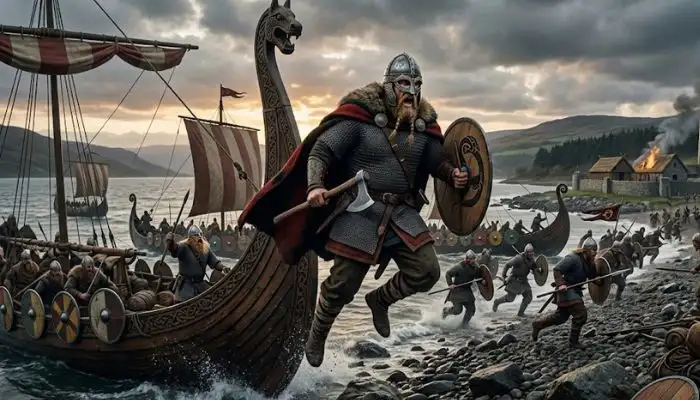
Sigurd the Stout
But Sigurd the Stout was another predatory Sigurd who controlled Orkney by the end of the tenth century. He earned the epithet Stout due to his military expeditions, which led him into numerous battles throughout the area, and, in the Norse sagas, he connects with a raven banner dedicated to Odin.
He eventually reached the shores of Ireland, where Norse forces under his command fought bravely at the brutal Battle of Clontarf in 1014, where he ultimately lost his life.
FAQs
1. Who were the scariest Vikings in history?
Some of the most feared Viking leaders included Thorkell the Tall, Guthrum, Bagsecg, Ímar, Amlaíb Conung, and Sigurd the Stout. They were known for their military campaigns, raids, and political power.
2. Who was the most feared Viking warrior?
There is no single agreed-upon answer. Thorkell the Tall earned a fearsome reputation through his campaigns in England, while other leaders became known for their victories and conquests.
3. Why were Vikings feared across Europe?
Vikings were feared for their fast ship raids, skilled fighting, attacks on monasteries and towns, and ability to strike coastal settlements with little warning.
4. Which Viking leaders invaded England?
Guthrum, Thorkell the Tall, Bagsecg, and Olaf Guthfrithson were among the Viking leaders associated with military campaigns in England during the Viking Age.
5. Did all Vikings fight in battles and raids?
No. Many Vikings were farmers, traders, craftspeople, and settlers. Although some leaders became famous for warfare, Viking society included many people who lived peaceful lives.